
The source traditions
Twenty-four ways of reading one moment
Your reading is not one system. The same birth moment runs through twenty-four separate traditions, each with its own method and its own vocabulary. This page is where that background lives, so the reading itself can stay about you.
Why this exists
This is not designed to predict or divine. It has been designed to unmask and identify who we are, so we can then use our Creator-given free will to address our shortcomings, find peace, and live better.
About
What this is
Every tradition we read is one place on Earth that caught a hint of the same magic, the pattern The Creator wove into this world and into you. Chinese court astronomers kept one thread of it. Vedic seers kept another. The Maya counted it in days, the Celts in trees, the West African diviners in names, and the modern synthesists in maps of their own. None of them held the whole pattern. Each kept the piece it found and carried it, carefully, for centuries.
The Aether Sigil lays those pieces side by side. The same few things about you keep surfacing, in tradition after tradition that never met, and that agreement becomes your portrait and the shape we call your Sigil.
How it is built
Math. Maketh. Mythos.
The numbers come first. Our Aetheri Engine takes your birth date, time, and place, and works out exactly where everything stood, in the sky and in two dozen older systems of reckoning. Nothing is guessed.
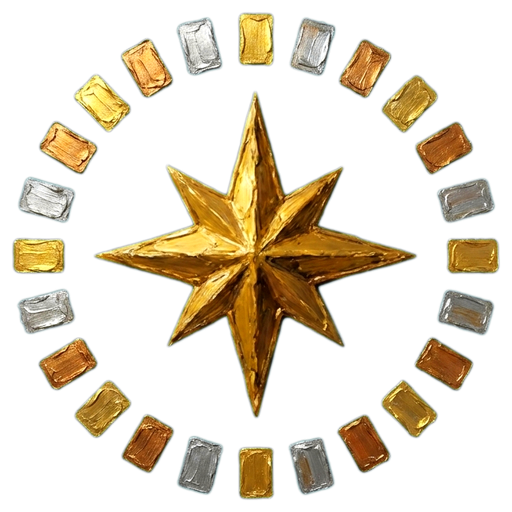
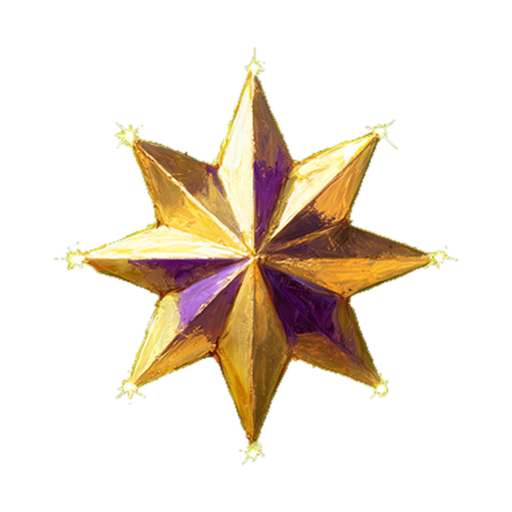
Then each tradition is written up in its own voice, the maths translated faithfully rather than invented. The Sigil crowning your reading is the picture of it all: eight points, one for each core part of you, drawn to the height your scores reached.
How to read it
How to read the Sigil
The Sigil holds eight Aspects of a person: how you take charge, how you care, how you handle endings, how you get noticed, how you make change, how family shaped you, how you time things, and how your nature is mixed.
Each Aspect resolves to exactly one of twelve archetypes, so eight in all, and the same birth details always pick the same eight. The full key, all ninety-six, lives on the Archetypes page.
What you get
Your reading
Your reading is the length of a small book. It opens with the Sigil and your eight Aspects, walks through each of the twenty-four traditions in plain words, then closes with The Convergence, the chapter that names what every tradition agreed on. Each section ends with one small thing to actually do this week.
Math. Maketh. Mythos.
The synthesis
The Sigil
One figure with eight points, scored from all twenty-four traditions at once and drawn from your exact birth moment.
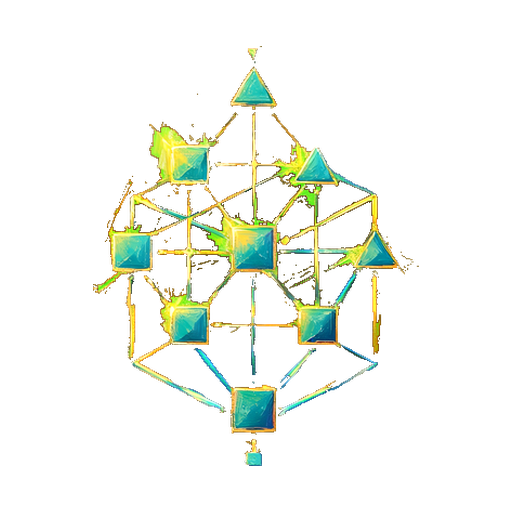
The Sigil is the mark at the centre of the whole reading: a single figure with eight points, one for each core part of who you are. Every one of the twenty-four traditions feeds it. The reading works each tradition out in full, then folds all of them into these eight numbers.
It is not a horoscope or a star sign. It is closer to a signature than a forecast, a compressed portrait drawn fresh for every birth moment. Two people almost never draw the same one.
Where it draws from
Built for The Aether Sigil as the layer that brings the twenty-four source traditions together. Those traditions run from two-thousand-year-old astronomy to modern twentieth-century inventions, and the Sigil is where their separate verdicts are weighed into one figure.
What we calculate for you
We score eight axes from your full chart, each on a scale where 50 sits in the even middle. The eight values set the height of each point, and the closed shape they draw, read as round, spiked, or irregular, comes from how evenly or unevenly they land.
In your reading
It opens your reading with your eight scores, names your highest and lowest axes and the spread between them, and reads the shape they close into.
The twenty-four traditions
Western Tropical Astrology
COMPUTED
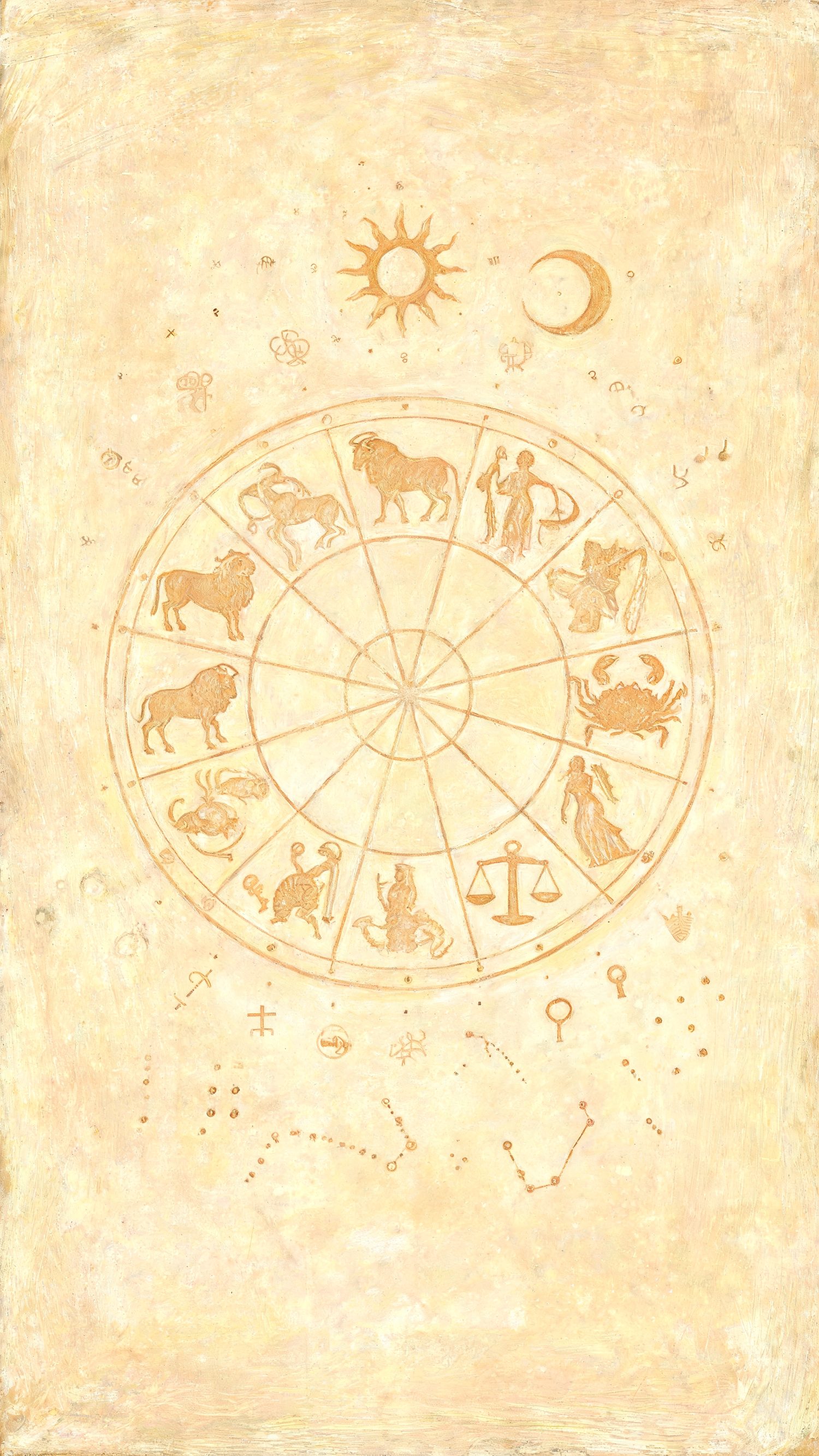
The chart behind the twelve star signs, mapping the Sun, Moon, and eight planets at the minute you were born.
This is the astrology most people have met, the one the twelve star signs come from. A full chart uses far more than your sun sign: it maps where the Sun, the Moon, and eight planets stood at your birth minute, as seen from the town you were born in, and the angles they made to one another. Your "sign" is one data point out of roughly thirty.
Where it comes from
Assembled in the Mediterranean world about two thousand years ago and practised continuously since. We compute the tropical version, which anchors the signs to the seasons rather than to the constellations.
What we calculate for you
The positions of ten bodies to a fraction of a degree, through Swiss Ephemeris, the same astronomical library professional astrologers use. Your birth time sets the Ascendant, the sign rising on the eastern horizon at that minute. It moves about one degree every four minutes, which is why the time of day matters so much.
In your reading
It names your Sun, Moon, and rising sign, the houses your planets occupy, and the three tightest angles in your sky, and says what each one means for how you are built.
Hellenistic Astrology
COMPUTED
The oldest surviving form of Western astrology, reading you by whether you were born by day or by night and by seven calculated points it calls Lots.
This is the ancestor of the astrology most people know, the version practised in the Greek-speaking world two thousand years ago. It uses the same planets and signs, but it reads them with older rules that later astrology mostly dropped.
Its signature move is to ask one plain question first: were you born during the day or at night. That single fact reshuffles which planets matter most. It then builds seven calculated points, called Lots, each marking a different department of a life, such as body, action, or desire.
Where it comes from
The Greek-speaking Mediterranean, roughly two thousand years ago. It is the oldest formal astrological tradition preserved in writing, and your chart uses the same placements Western astrology does, read by its older rules.
What we calculate for you
We read your chart by sect, meaning whether the Sun was above or below the horizon at birth, and we calculate all seven Lots, including the Lot of Fortune, each as a specific angle struck between two bodies and the horizon.
In your reading
It names whether yours is a day or a night chart and reads all seven of your Lots, starting with the hinge pair of Fortune and Spirit.
Sabian Symbols
COMPUTED
A system that gives every one of the 360 zodiac degrees its own image and reads you from the exact degrees of your Sun, Moon, and rising sign.
Ordinary astrology cares which sign a planet is in. This system zooms in one level further, to the exact degree. There are 360 degrees around the zodiac, and each one carries a short symbolic image, like a tiny picture pinned to that spot in the sky.
Your reading takes three of your most personal points, the Sun, the Moon, and the rising sign, and looks up the image sitting on each one. Where a point falls early, middle, or late in its sign also tells you how ripe that part of you already is.
Where it comes from
Recorded in San Diego in 1925, when the images were channelled by Elsie Wheeler and written down by the astrologer Marc Edmund Jones. The degree positions are pure astronomy; the fixed set of images is a hundred years old.
What we calculate for you
We take the whole-degree positions of your Sun, Moon, and Ascendant, place each on its exact degree of its sign, and read whether it sits in the opening, middle, or closing third of that sign.
In your reading
It names the exact degrees of your Sun, Moon, and Ascendant and reads how ripe each of those three parts of you already is.
Vedic Jyotish
COMPUTED
Indian astrology, which reads the constellations where they truly sit now and runs your life through a fixed 120-year cycle of planetary periods.
This is the astrology of India, practised without a break for a very long time. It uses the same planets as Western astrology, but it lines the signs up with the constellations where they truly sit now, rather than with the seasons. Over the centuries the two have drifted apart, so your Vedic signs often differ from your Western ones.
It leans harder on the Moon than the Sun, and it splits the sky into 27 lunar segments called nakshatras for a finer reading. Its most distinctive tool is a timing system: your whole life is divided into long planetary periods that run in a fixed order.
Where it comes from
The Indian subcontinent, with refined techniques documented across more than two thousand years and still in daily use. We compute the sidereal version using the standard Lahiri alignment.
What we calculate for you
We shift your planets from the seasonal zodiac to the true constellations by subtracting the Lahiri ayanamsa, find your rising sign and the nakshatra each point sits in, and lay out your Vimshottari dasha, the fixed 120-year sequence of planetary periods, including the one you are living in now.
In your reading
It names your sidereal rising sign and Moon nakshatra, and it tells you which planetary period, or dasha, you are living in right now.
BaZi, Four Pillars
COMPUTED
Chinese Four Pillars astrology, which turns your birth year, month, day, and hour into four paired symbols and weighs you by the five elements.
A cornerstone of Chinese astrology, built from the traditional calendar rather than the planets. It reduces your birth to four pillars, one each for the year, month, day, and hour, and each pillar is a pair of symbols drawn from an ancient cycle.
The most important symbol is the one for your day, called the Day Master; it stands for you, and the rest of the chart is weighed around it. The whole thing is then read through the five Chinese elements, and which elements run strong, weak, or missing tells you how your nature is balanced.
Where it comes from
China, with well-documented technique and continuous practice for many centuries. The pillars are read from the Chinese solar and lunar calendar, anchored to the solar terms.
What we calculate for you
We build all four pillars from your birth moment, name your Day Master (the stem of the day pillar), count the balance of yang and yin across the eight characters, and tally how many of the five elements the chart carries, flagging any that are absent.
In your reading
It names your four pillars and your Day Master, then counts which of the five elements run strong, weak, or missing in you.
Numerology and Name insights
COMPUTED
The arithmetic of your birth date and your names, reduced to single numbers that each carry a plain meaning.
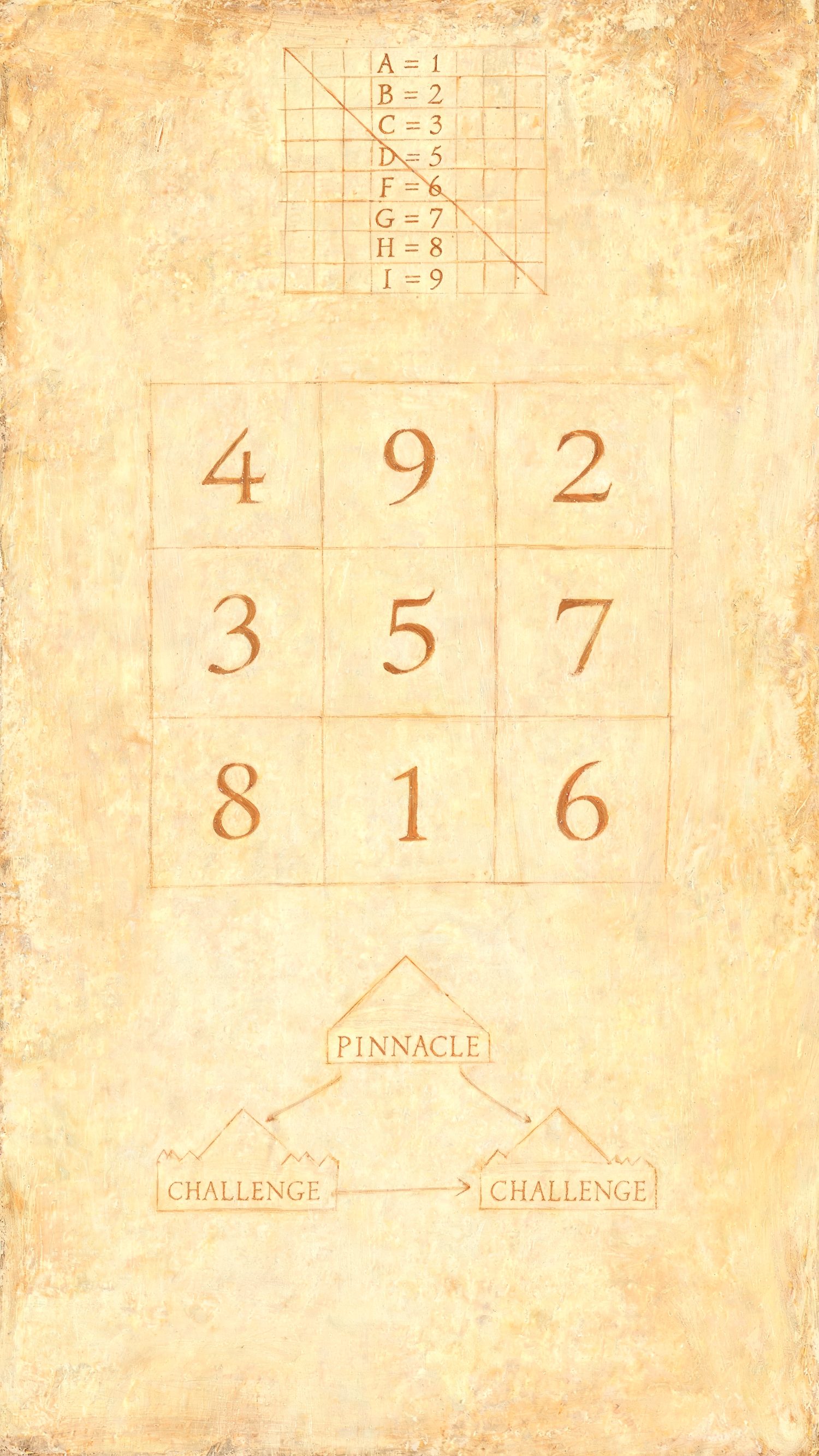
The most stripped-down system here: no sky, no calendar, just arithmetic. You add up the digits of your birth date, reduce them to a single number, and read that number's character. The central one is called the Life Path.
It also works on names. The letters of a name convert to numbers, and those reveal further figures for what you express and what you secretly want. Because people change names, the reading can hold both a birth name and a chosen name and read the shift between them.
Where it comes from
The number-to-letter method is credited to Pythagoras and is genuinely old and simple; the modern habit of reading personality from it is recent, but the arithmetic itself is exact.
What we calculate for you
We reduce your full birth date to your Life Path number and your Birthday number, convert the letters of your given and chosen names into Expression and Soul Urge numbers, and lay out your four Pinnacles and Challenges plus your Personal Year for 2026.
In your reading
It names your Life Path and Birthday numbers, reads the numbers hidden in your names, and lays out your Pinnacles, Challenges, and your tone for 2026.
Tibetan Astrology
TRADITIONAL
Tibetan astrology, which names your birth year with an element and an animal and reads it as a working constitution.
Tibetan astrology blends Chinese and Indian sources into its own system. The part your reading uses names your birth year with a pairing: one of five elements joined to one of twelve animals, plus whether the year leans active or receptive.
It treats that pairing less as a fixed personality and more as the elemental weather you were born into, a baseline constitution you carry rather than a destiny you obey.
Where it comes from
Tibet, where the system is called nag-tsi. It is a real lineage, in parts reconstructed from older Chinese and Indian sources for continued use.
What we calculate for you
We derive your birth year's element, animal, and polarity (whether it leans yang and outward or yin and inward), and name the traditional Tibetan year-sign that results.
In your reading
It names your element, animal, and polarity, and reads them as the constitution you carry rather than a fate you obey.
Human Design
MODERN SYNTHESIS
A modern system that reads your birth moment as a wiring diagram for how your energy runs and how you are built to decide.
A modern system that treats your birth moment as a wiring diagram: how your energy runs, how you are built to make decisions, and which parts of you hold steady while others respond to whoever is in the room. It sorts people into five types, and gives each type a practical decision method it calls an authority.
Where it comes from
Created in 1987 by a Canadian teacher who wrote as Ra Uru Hu. It knowingly combines four older sources: the Chinese I Ching, Western astrology, the Jewish kabbalah, and the Hindu chakra system. It is not ancient, and we label it honestly as a modern synthesis. Many people still find its vocabulary for energy and decisions the most immediately usable part of their reading.
What we calculate for you
Two full sets of planetary positions: one for your birth moment, and one for the moment the Sun sat 88 degrees earlier along its path, roughly three months before you were born. Each position maps to one of 64 gates on a body chart; connected gates form channels, and the channels determine which of nine energy centres are defined for you. Your type, authority, and profile all fall out of that arithmetic.
In your reading
It names your type, authority, and profile, then walks every defined gate and channel you have, by name, with what each one means for how you work and decide.
Gene Keys
MODERN SYNTHESIS
A modern contemplative system that reads the same 64 gates as Human Design as a path of inner work rather than a mechanic.
Gene Keys is a close cousin of Human Design and uses the very same 64-gate map of your birth. Where Human Design reads that map as mechanics, its energy types and decision methods, Gene Keys reads it as material for contemplation: a set of themes to sit with over years.
It arranges your gates into three sequences. The first is about your gift and your role in daylight, the second about your heart and relationships, the third about work and making a living. Because it is built on the same source as Human Design, the two are not independent voices; they are one lineage read two ways.
Where it comes from
Written by Richard Rudd in 2009, built directly on the Human Design bodygraph. We label it honestly as a recent synthesis, and note that it and Human Design share their intellectual roots.
What we calculate for you
We place your birth gates into the Activation Sequence of four spheres, the Venus Sequence of the heart, and the Pearl Sequence for vocation, naming each sphere by its gate and line, for example the gate that carries your Life's Work and the one that carries your Attraction.
In your reading
It names the spheres of your three sequences by gate and line, from your Life's Work to the quality that draws others toward you.
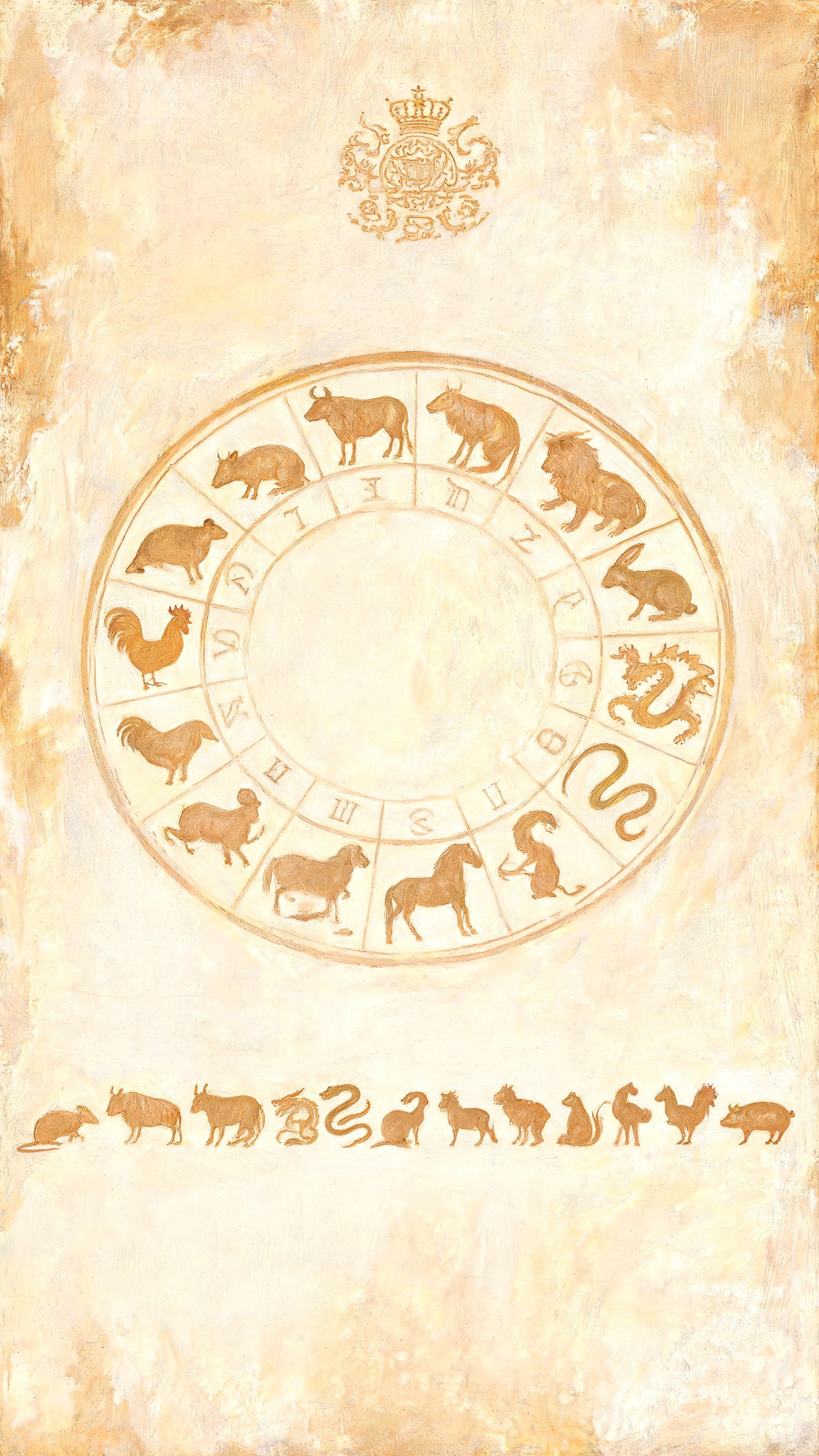
Chinese Zodiac
COMPUTED
The familiar twelve-animal cycle, read in three layers: the animal others see, the one that drives you, and the hidden one few people meet.
Most people know their Chinese year animal, the Rat, Ox, Tiger, and so on. Your reading uses the full version, which adds two more animals underneath the famous one and modifies each by one of the five Chinese elements.
The year animal is the face the world meets. A second animal, set by your birth month, describes your private drives. A third, set by your birth hour, describes the truest self that few people see. Where the three differ, the difference is the reading.
Where it comes from
China, an ancient cycle in continuous use. The animals are read from the Chinese lunar calendar, with an elemental modifier on the year stem.
What we calculate for you
We find your outer animal and its ruling element from the birth year, your inner animal from the birth month, and your secret animal from the birth hour, and note whether any of the three agree.
In your reading
It names your outer, inner, and secret animals and reads what it means when the three agree or pull in different directions.
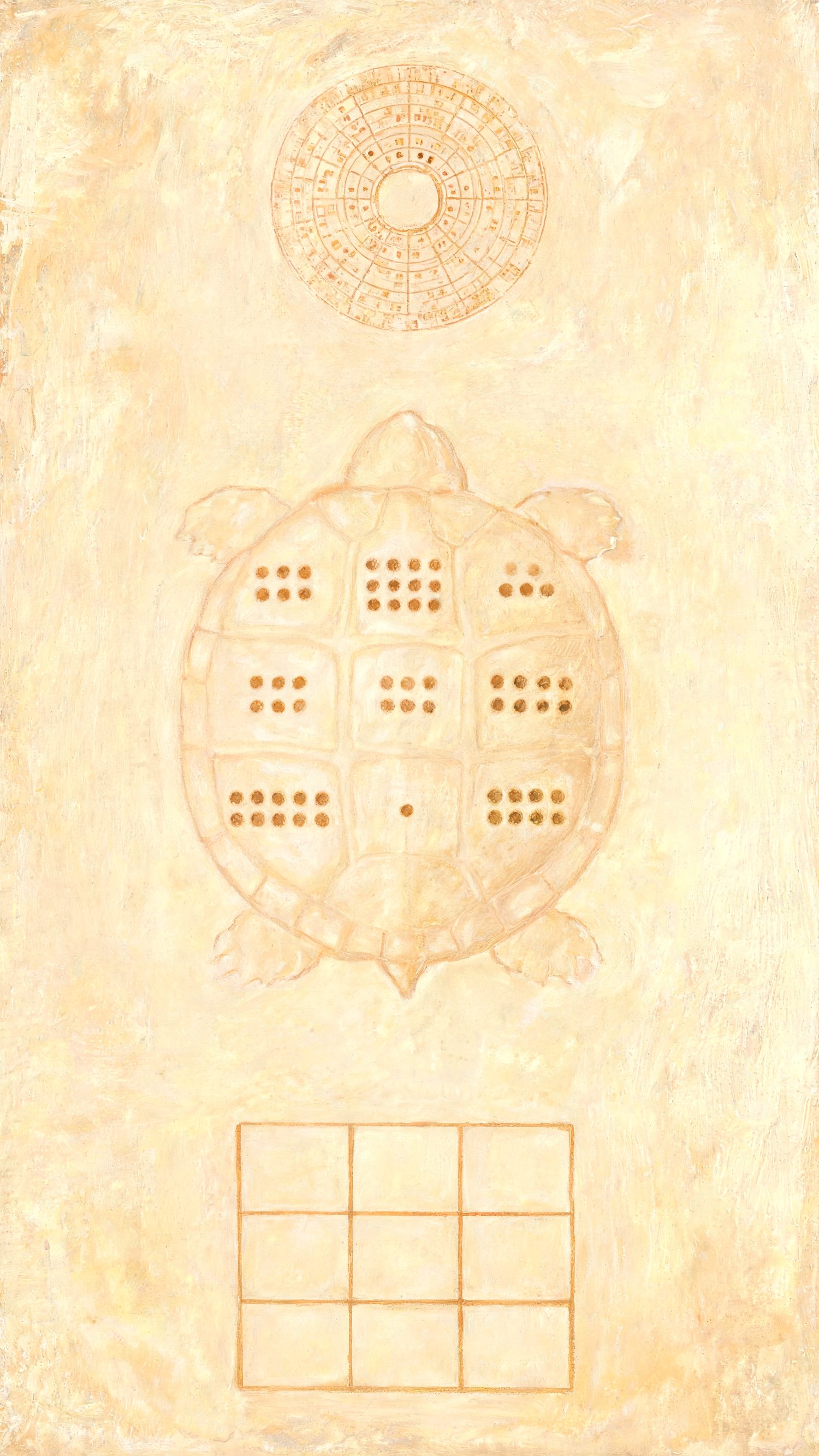
Lo Shu Grid
COMPUTED
A three-by-three magic square that sorts your birth-date digits into nine life domains and reads both what is present and what is missing.
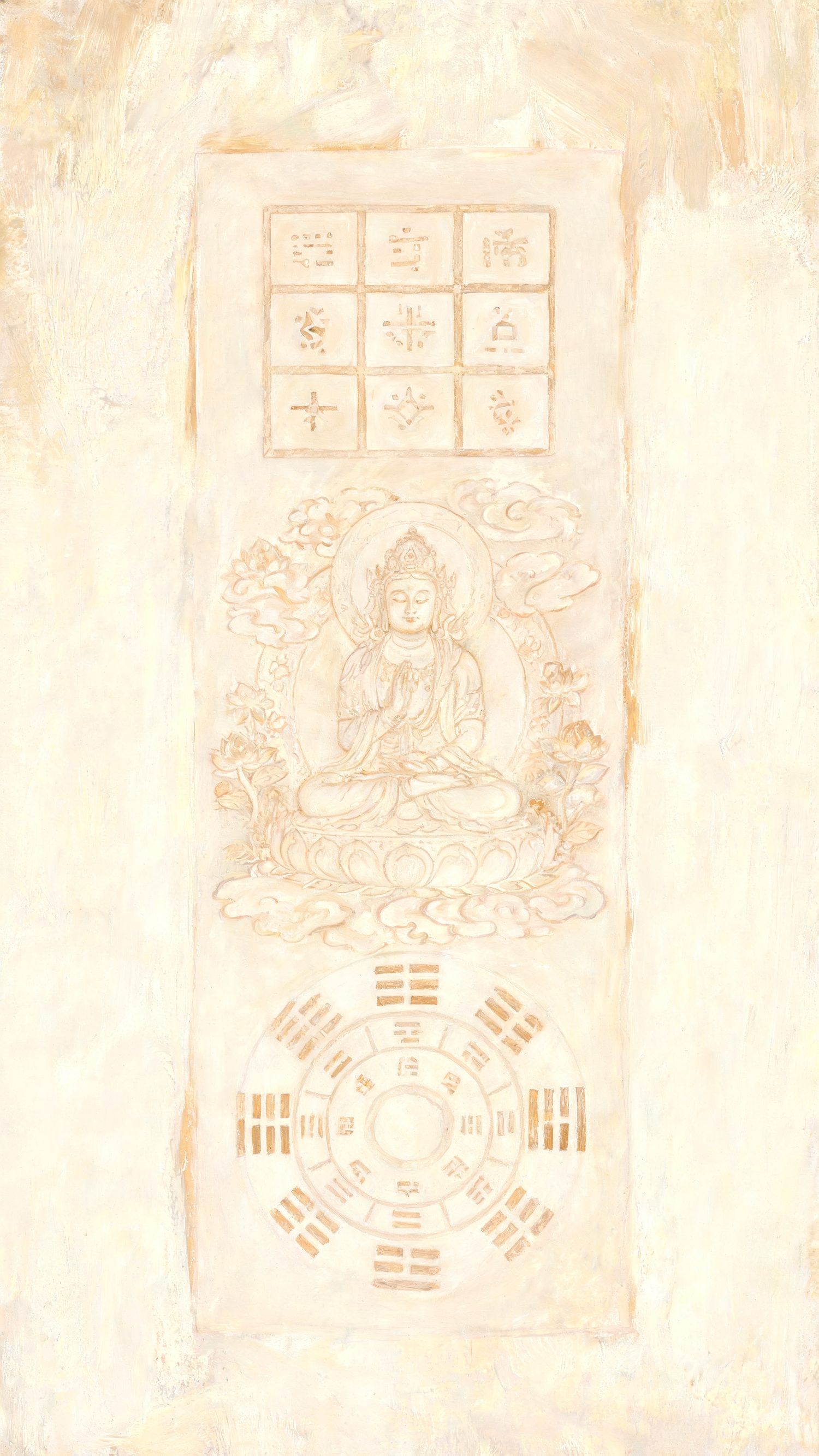
The Lo Shu is an ancient Chinese magic square: a three-by-three grid whose every row, column, and diagonal adds up to fifteen. Each of its nine cells stands for an area of life.
Your reading drops the digits of your birth date into that grid. A number that repeats strengthens its cell, an instruction the chart insists on. An empty cell is read just as carefully: a domain you build by deliberate effort rather than one that comes naturally.
Where it comes from
China, where the grid itself is two thousand years old or more. Reading personality from the birth-date digits is a more recent application of a genuine ancient figure.
What we calculate for you
We place each digit of your birth date into the nine-cell grid, count how many times each number appears, mark which cells are strengthened by repetition, and list the numbers missing entirely.
In your reading
It reads which numbers fill your grid and which are missing, naming the life domains you are handed and the ones you have to build on purpose.
Tarot Birth Cards
MODERN SYNTHESIS
A method that reduces your birth date to a few Major Arcana Tarot cards for your outer self, your soul, and the present year.
This does not involve shuffling or drawing cards. It takes your birth date and, by simple arithmetic, lands on a few specific cards from the Tarot's Major Arcana, the 22 named cards like The Star or The Tower.
You get a Personality card for the outer working self, a Soul card for the deeper motive beneath it, and a Year card that changes each year for the current curriculum. When the Personality and Soul cards match, there is no daylight between who you seem and who you are.
Where it comes from
The birth-card method was worked out by writers such as Mary K. Greer and Angeles Arrien in the 1980s and 90s. The Tarot deck is older; this way of mapping a birth date onto it is recent.
What we calculate for you
We reduce your birth date to your Personality and Soul cards from the 22 Major Arcana, and compute a separate Year card for 2026, naming each card and its image.
In your reading
It names your Personality and Soul cards, reads whether they match, and lays your Year card over 2026.
Destiny Matrix
MODERN SYNTHESIS
A recent Russian system that arranges your birth date into an eight-pointed diagram of Tarot cards for talent, purpose, money, and inheritance.
The Destiny Matrix is a diagram shaped like an eight-pointed star. Each point is filled by a Tarot Major Arcana card, but the cards are reached by arithmetic on your birth date rather than by drawing them.
The two central points carry the most weight: one for your core purpose, one for the central talent that purpose moves through. Other points map your highest possibility, your material footing, the channel money is meant to arrive by, and what you inherited from each parent.
Where it comes from
Created by Natalia Ladini in the 2000s in Russia. It is a new construction, valuable as a relational map, and we label it as recent rather than ancient.
What we calculate for you
We derive each point of the octagram from your birth date by arithmetic, naming the Major Arcana card at your Soul, Heart, Sky, Earth, and Income points, plus the Father and Mother lineage points.
In your reading
It names the cards at your central Soul and Heart points and reads your range from your highest possibility down to how support is meant to reach you.
I Ching Birth Hexagram
COMPUTED
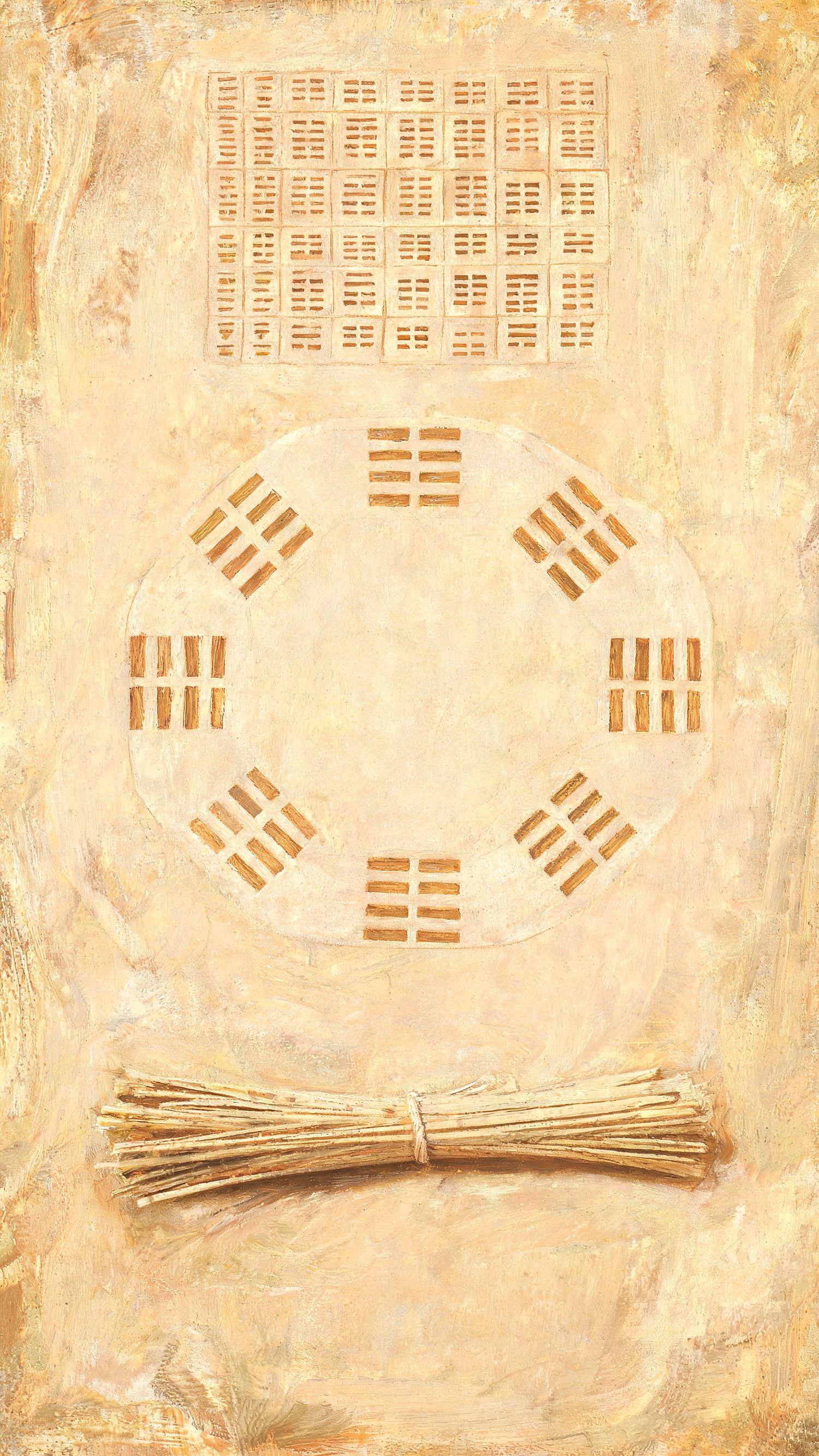
The I Ching read as a birth chart, placing you on one of its 64 six-line figures built from two three-line trigrams.
The I Ching is an ancient Chinese book of 64 figures, each made of six stacked lines that are either solid or broken. Normally you consult it by a chance process; here it is used the other way, to give you a single birth figure.
Your figure, called a hexagram, splits into two halves of three lines each. The lower half is read as your inner starting condition, the upper half as how that inner ground meets the world. The tradition reads it not as fixed fate but as your home position, the configuration you return to.
Where it comes from
China, where the I Ching itself is roughly three thousand years old. Deriving a single birth hexagram from it is a recent but principled use of the classic ordering.
What we calculate for you
We compute your birth hexagram by binary arithmetic and place it in the standard King Wen sequence of 64, naming your upper and lower trigrams and the figure they combine into.
In your reading
It names your birth hexagram and its two trigrams, reading your inner starting condition and how it meets the world.
Mayan & Aztec Sacred Counts
COMPUTED
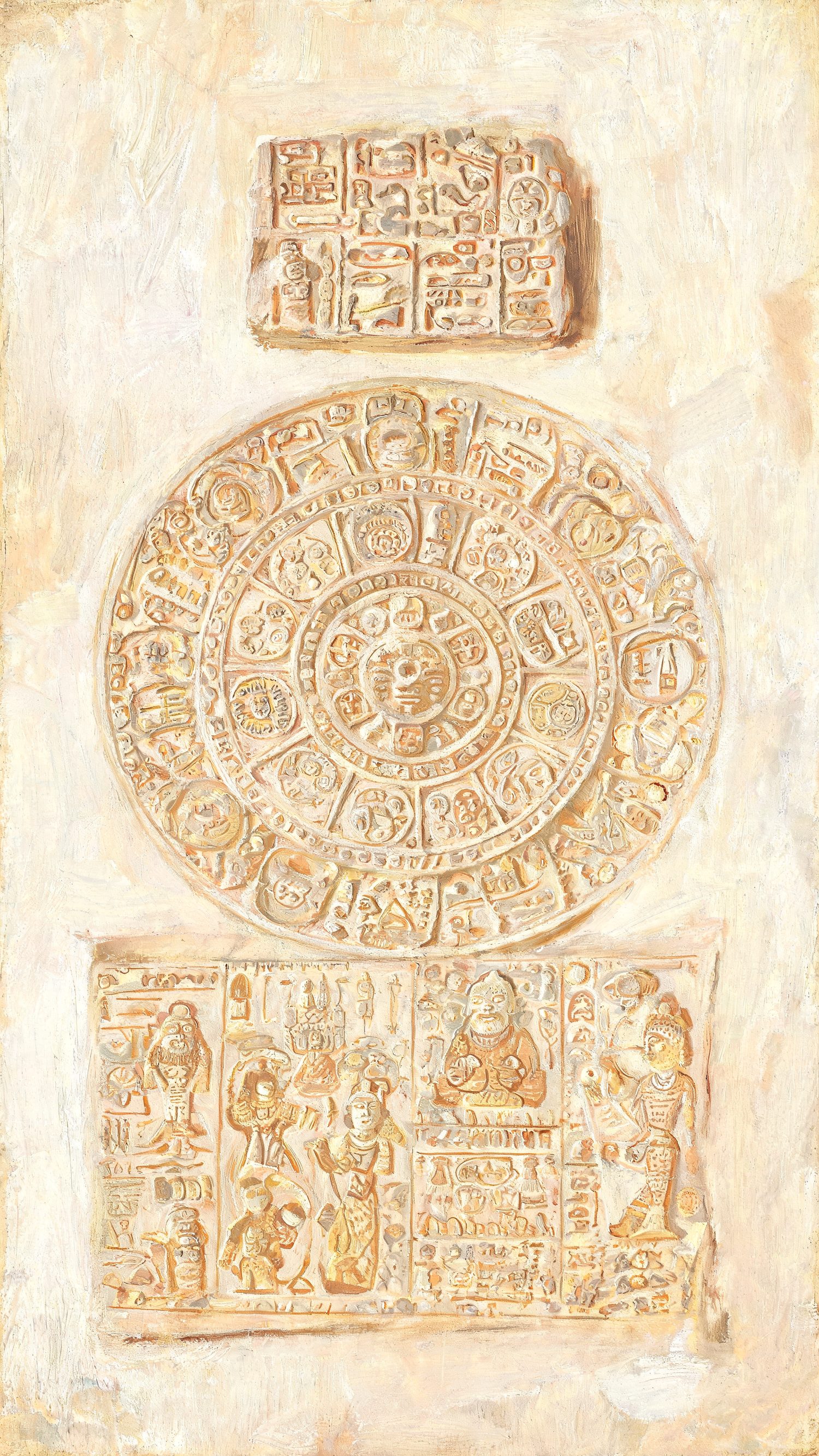
The Maya sacred calendar, a repeating count of 260 days that lands your birthday on one of 260 pairings of a number and a day-sign.
The sacred calendar of the Maya, which uses no months and no star signs. It is a repeating count of 260 days, each day named by a number from 1 to 13 joined to one of 20 day-signs. Your birthday lands on exactly one of those 260 combinations, and that combination is your sign in this system.
Two calendars, one count: the Aztec Tonalpohualli keeps the same 260-day wheel with its own day-signs and patrons, so this section reads them together, and where the Aztec day-sign has something of its own to say, it says it here.
Where it comes from
Mesoamerica, in documented use for well over two thousand years. Day-keepers in the Guatemalan highlands still keep the count today; it never stopped.
What we calculate for you
Your birth date converted into the count using the 584,283 correlation, the standard alignment between the Maya calendar and ours that scholars fixed from colonial-era records. We also compute your Long Count date, the running tally of days since the calendar's start point in 3114 BC.
In your reading
It names your day-sign and tone, what that exact pairing carries, and how the current year sits against it.
Celtic Tree Astrology
TRADITIONAL
A tree calendar tied to the old ogham alphabet that names the tree you were born under.
This system swaps the sky for the forest. It divides the year into stretches, each governed by a tree and marked by a letter of the ogham, the old carved alphabet of Ireland and Britain.
You are born under one tree, and its seasonal habit becomes the model for a kind of person. The symbol is taken from the ground rather than borrowed from the stars.
Where it comes from
Drawn from the Beth-Luis-Nion tree calendar of the ogham alphabet and shaped in modern Druidic practice. The trees and the alphabet are genuine; the calendar mapping is partly a modern reconstruction.
What we calculate for you
We find the tree month your birth date falls in, naming your birth tree, its date range, and the ogham letter that marks it.
In your reading
It names your birth tree and its ogham letter, reading the seasonal habit of that tree as a model for your own temperament.
Egyptian Decanate
TRADITIONAL
The Egyptian decanate system, which splits the year into ten-day spans and places each under a presiding deity.
The ancient Egyptians divided the year into short ten-day spans called decanates, and later tradition placed each span under the patronage of a god.
Your birth falls in one such span, giving you a presiding deity. It is read less as a personality label and more as a tutelary force: the particular god whose concerns shadow yours, and whose myth rhymes with your own pattern.
Where it comes from
Ancient Egypt. The underlying decan system is genuinely old and astronomical; the popular assignment of a single deity to your span is a later, simplified overlay on the original 36-decan structure.
What we calculate for you
We find the ten-day decanate your birth date falls in and name its presiding deity and the span's date range.
In your reading
It names your presiding deity and reads that god's concerns as ones that shadow your own.
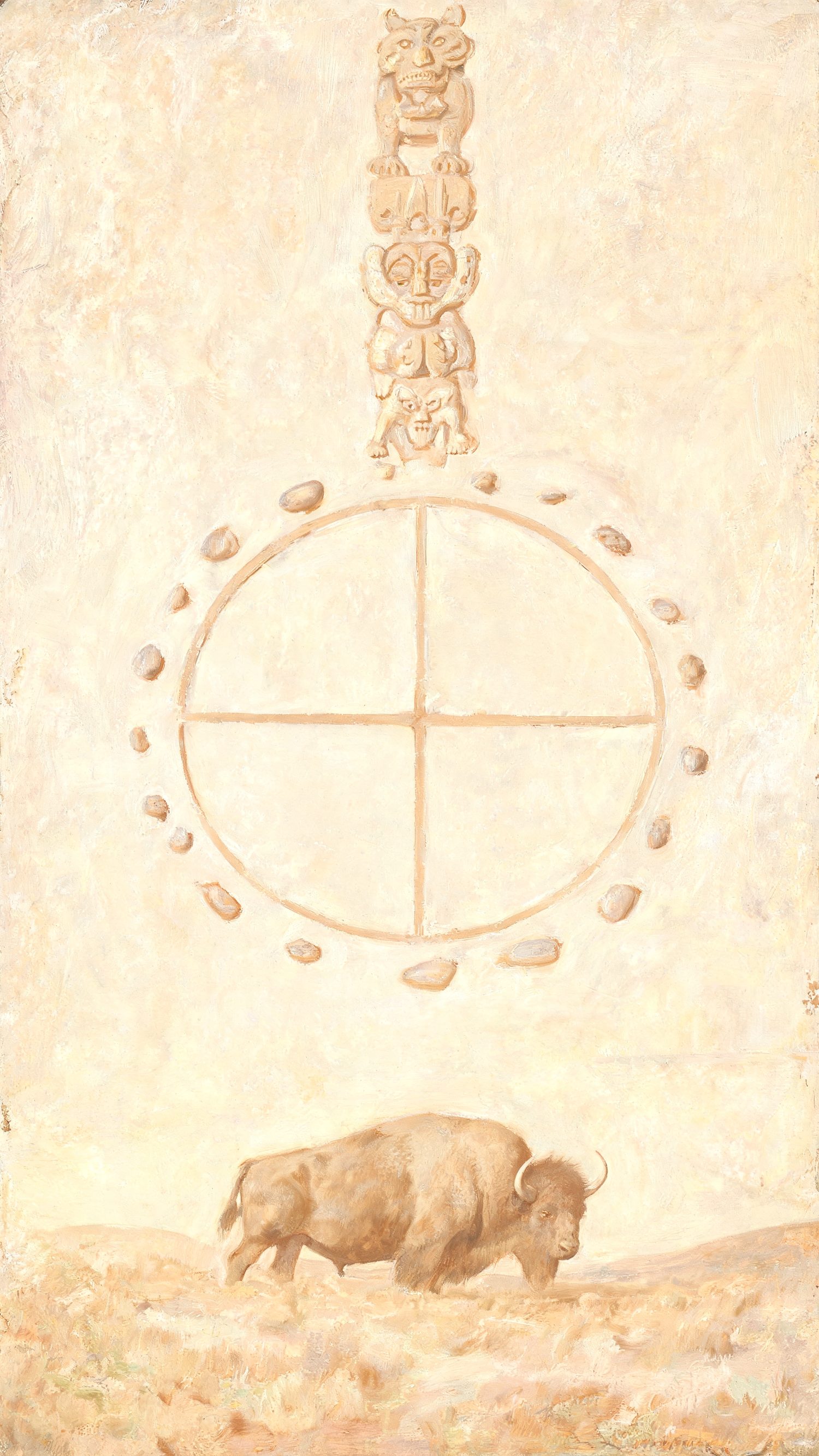
Sun Bear Medicine Wheel
MODERN SYNTHESIS
A modern teaching wheel that assigns each birth span an animal totem, offered as a model to move through the world by.
This is a modern teaching tool built in the shape of a wheel, assigning each stretch of the year an animal totem. Your birth span gives you one such totem.
The totem is read as a relation rather than a label: an animal whose way of moving through the world is offered to you as a usable model, its strengths the ones nearest to hand when you need them.
Where it comes from
Popularised in the 1980s through the medicine wheel taught by Sun Bear. It is a modern syncretic system, not a pan-tribal Indigenous practice; for authentic teaching, seek a specific Indigenous lineage.
What we calculate for you
We find the birth span your date falls in and name its animal totem and the span's date range.
In your reading
It names your birth totem and reads that animal's way of moving through the world as a model offered to you.
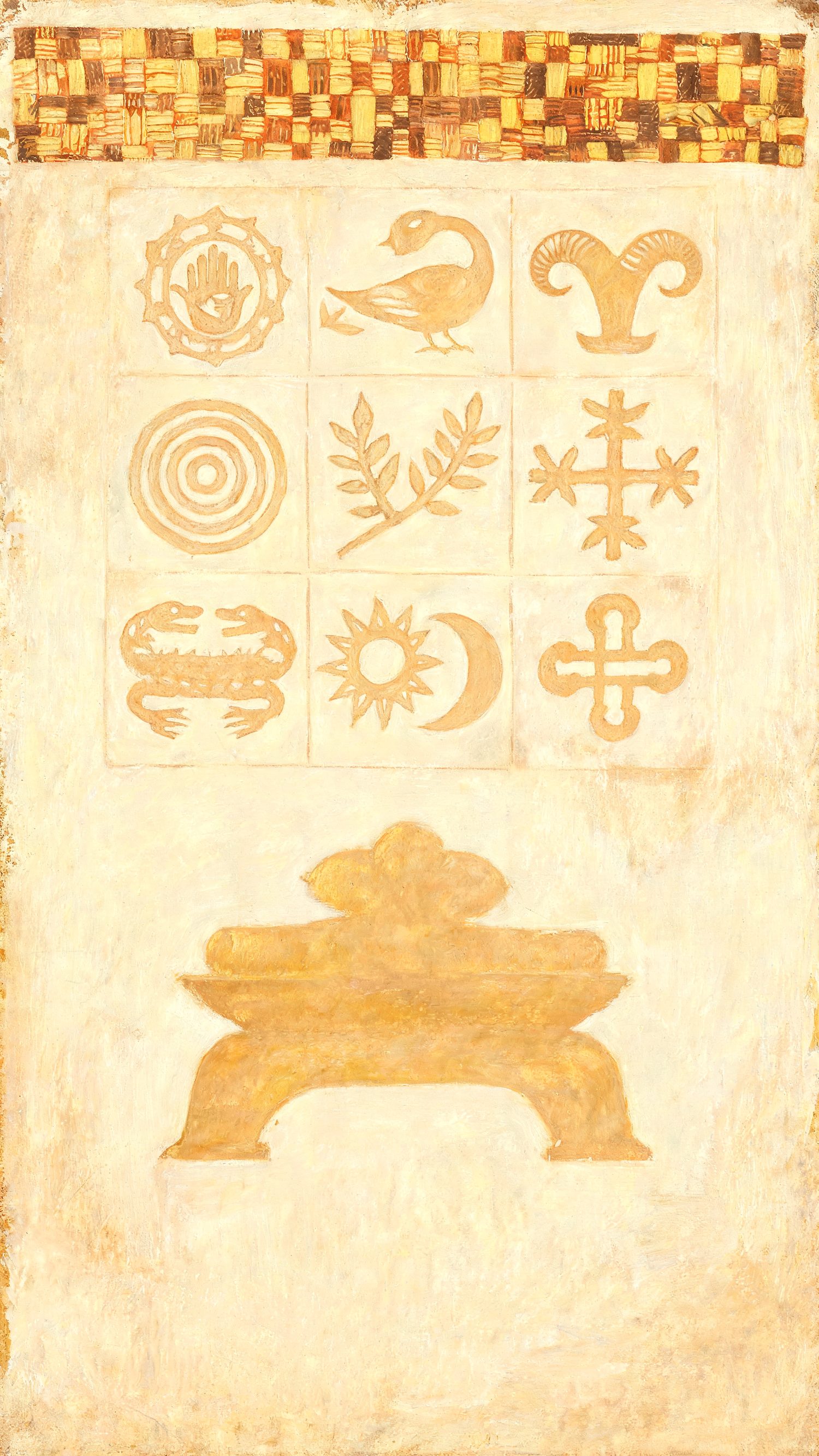
Akan Day Name
TRADITIONAL
A West African tradition that gives you a soul name fixed by the day of the week you were born.
Among the Akan people of Ghana and the Ivory Coast, every child receives a kradin, a soul name, fixed by the day of the week they were born. There is one for those born on a Monday, another for Tuesday, and so on, with a form for girls and a form for boys.
The day name is read not as a label applied from outside but as a description of the okra, the portion of soul the person arrived carrying. A life is partly the work of living up to that name.
Where it comes from
Ghana and the Ivory Coast, a continuous living tradition with documented cultural pedigree.
What we calculate for you
We find the weekday of your birth and name the Akan day names for it, a female and a male form, along with the archetype and characteristic strength that weekday carries.
In your reading
It names your day names and the archetype your birth weekday carries, read as the soul you arrived holding.
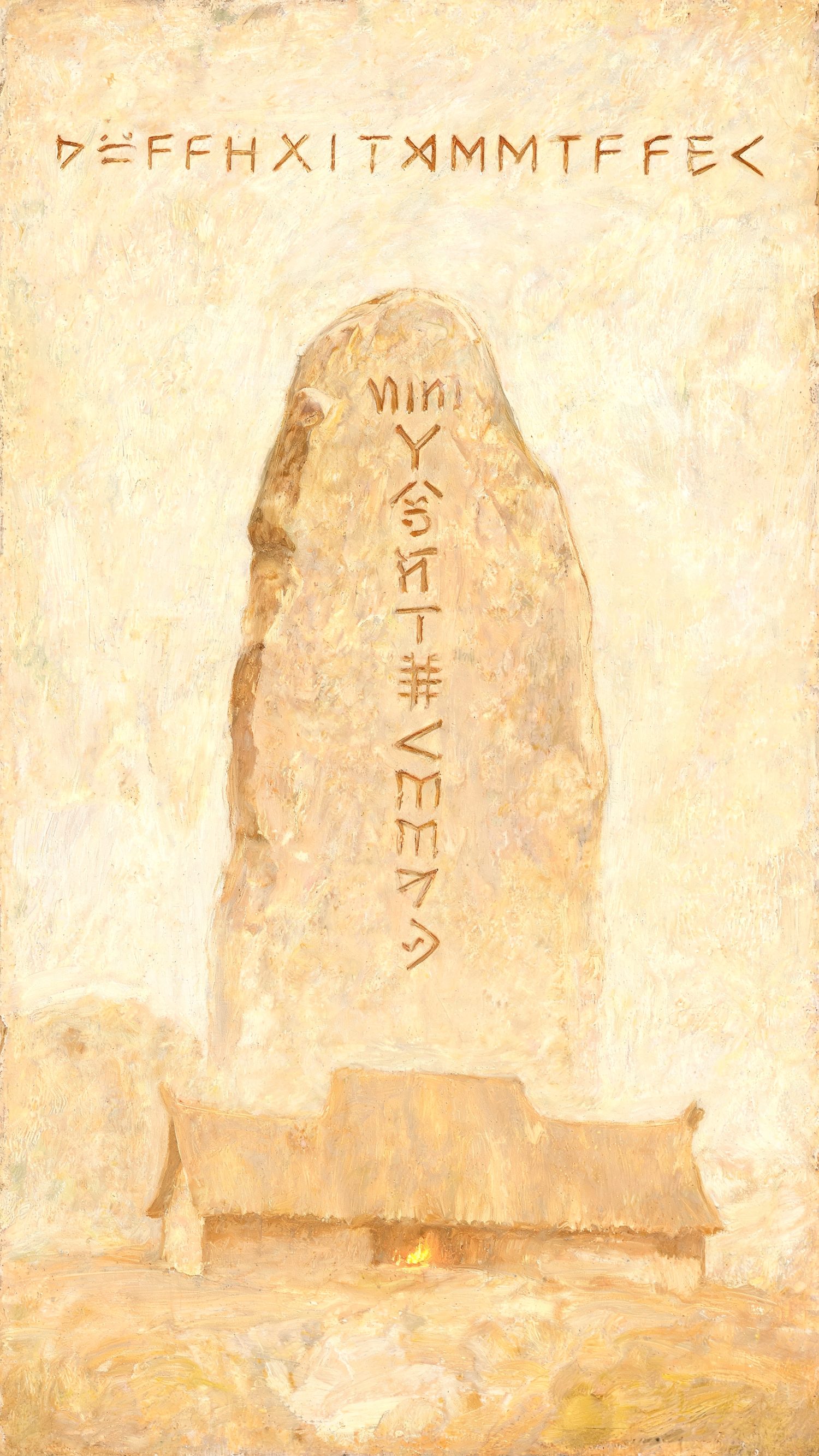
Elder Futhark Runes
TRADITIONAL
A calendar built on the 24 runes of the Elder Futhark, naming the rune you were born under.
The Elder Futhark is the oldest runic alphabet, 24 runes in all. A calendar hangs one rune over each half-month stretch of the year, roughly fifteen days each.
You are born in one rune's half-month, and that rune becomes a keynote rather than a verdict: the particular force the old calendar hung over your days, a theme worth keeping in mind because it keeps surfacing.
Where it comes from
The Norse and Anglo-Saxon runic world. The runes themselves are ancient; the half-month calendar mapping them to the year is partly a modern reconstruction.
What we calculate for you
We find the half-month your birth date falls in and name your birth rune, the sound it stands for, and its date range.
In your reading
It names your birth rune and its sound, reading the keynote the old calendar hung over the days you arrived in.
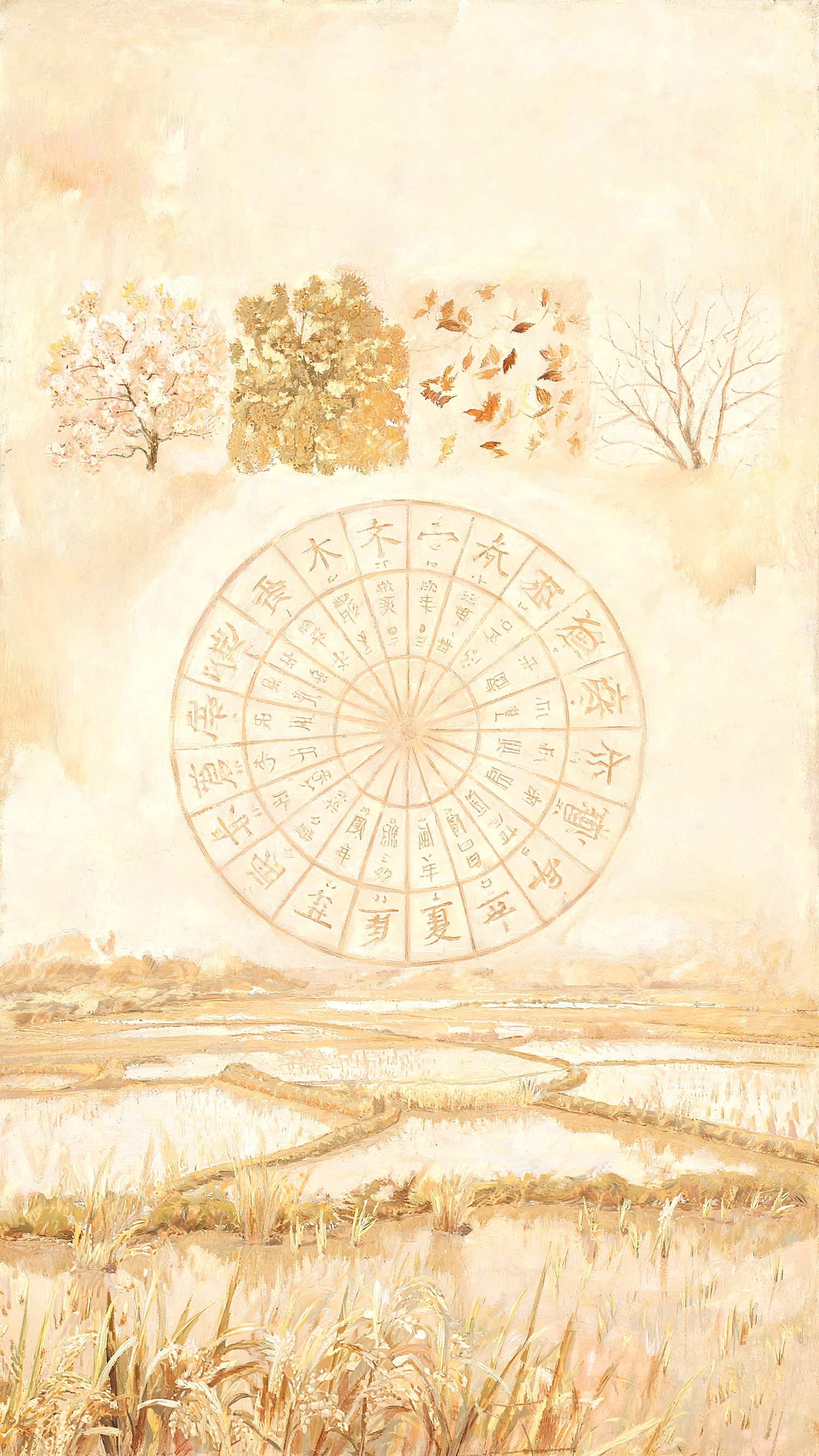
Chinese Solar Terms
COMPUTED
The Chinese farming calendar's 24 seasonal markers, each a precise step of the Sun's travel, naming the turn of the year you were born on.
Long before clocks, Chinese farmers split the year into 24 seasonal markers called jieqi, points like the start of spring or the grain rains. They are astronomical, not approximate: each one is an exact step of the Sun along its yearly path.
Your birth falls in one of these turns of the agricultural year. It reads a birth by its season rather than its star: the exact turn you entered on, and the work, weather, and mood that turn has always carried.
Where it comes from
China, one of the oldest continuously used calendars on earth. The markers are computed precisely from the Sun's position along the ecliptic.
What we calculate for you
We find which of the 24 jieqi your birth Sun falls in, each spanning fifteen degrees of the Sun's travel, and name the term, its meaning, and its number in the sequence.
In your reading
It names the seasonal term your birth Sun fell in and reads the turn of the year you entered on.
Mansions of the Moon
COMPUTED
A division of the Moon's monthly path into 28 nightly stations, naming the one your birth Moon rested in.
As the Moon travels the sky it passes a slightly different spot each night. Medieval Arabic and Western astronomers split its path into 28 stations, called mansions, one for roughly each night of its journey.
Your reading finds which mansion your birth Moon was resting in. The mansion is read as the Moon's lodging for that night, and the temper it lends to feeling and instinct.
Where it comes from
The medieval Arabic and Western tradition, with continuous documentation. The 28 mansions are computed from the Moon's position.
What we calculate for you
We take the position of your birth Moon and place it in one of the 28 lunar mansions, naming the mansion and its number in the sequence.
In your reading
It names the lunar mansion your birth Moon rested in and reads the temper that station lends your feeling and instinct.
Tithi, the Lunar Day
COMPUTED
The Hindu lunar day, set by how far the Moon has pulled ahead of the Sun, placing you on one of the 30 days of a lunation.
In the Hindu almanac a day is measured by the Moon, not the clock. Each time the Moon gains twelve degrees on the Sun, one lunar day, or tithi, has passed; thirty of them make a full cycle from new moon to new moon and back.
Your reading finds which tithi you were born on and whether the Moon was filling toward full or emptying toward dark. That waxing or waning colours the kind of effort the day was made for.
Where it comes from
India, part of the panchanga almanac, in continuous use across thousands of years. The tithi is computed from the angle between Sun and Moon.
What we calculate for you
We measure the angular distance between your birth Sun and Moon to find your tithi, its number from 1 to 30, and your fortnight, the waxing Shukla or the waning Krishna half of the lunation.
In your reading
It names your lunar day and fortnight and reads whether the Moon was filling or emptying as the kind of effort you were made for.
Modern Science
COMPUTED
The youngest tradition, and the only one that asks to be tested: what large studies have found about people who share a few plain facts of your birth.
Modern Science reads your birth the way a researcher would, not a mystic. It takes plain facts we can derive from your birth moment, the season, the length of the day you were born into, the hemisphere, your place in the school year, your birth cohort, and reports what large, replicated studies have found about people who share them.
Every line is a likelihood, never a destiny, and every line keeps its number and names its source. Where the evidence is contested, the reading says so rather than pretend.
Where it comes from
The modern research record, from twentieth-century chronobiology and demography to present-day population studies, read as one more tradition: the one built on the belief that a claim about people should be measured before it is trusted.
What we calculate for you
We derive a handful of plain facts from your birth date and place, then look up the replicated findings keyed to them in a verified tree of peer-reviewed results, choosing a stable set for your chart.
In your reading
It names what the research record actually found about people born as you were, each finding with its effect and its citation, always as a likelihood.
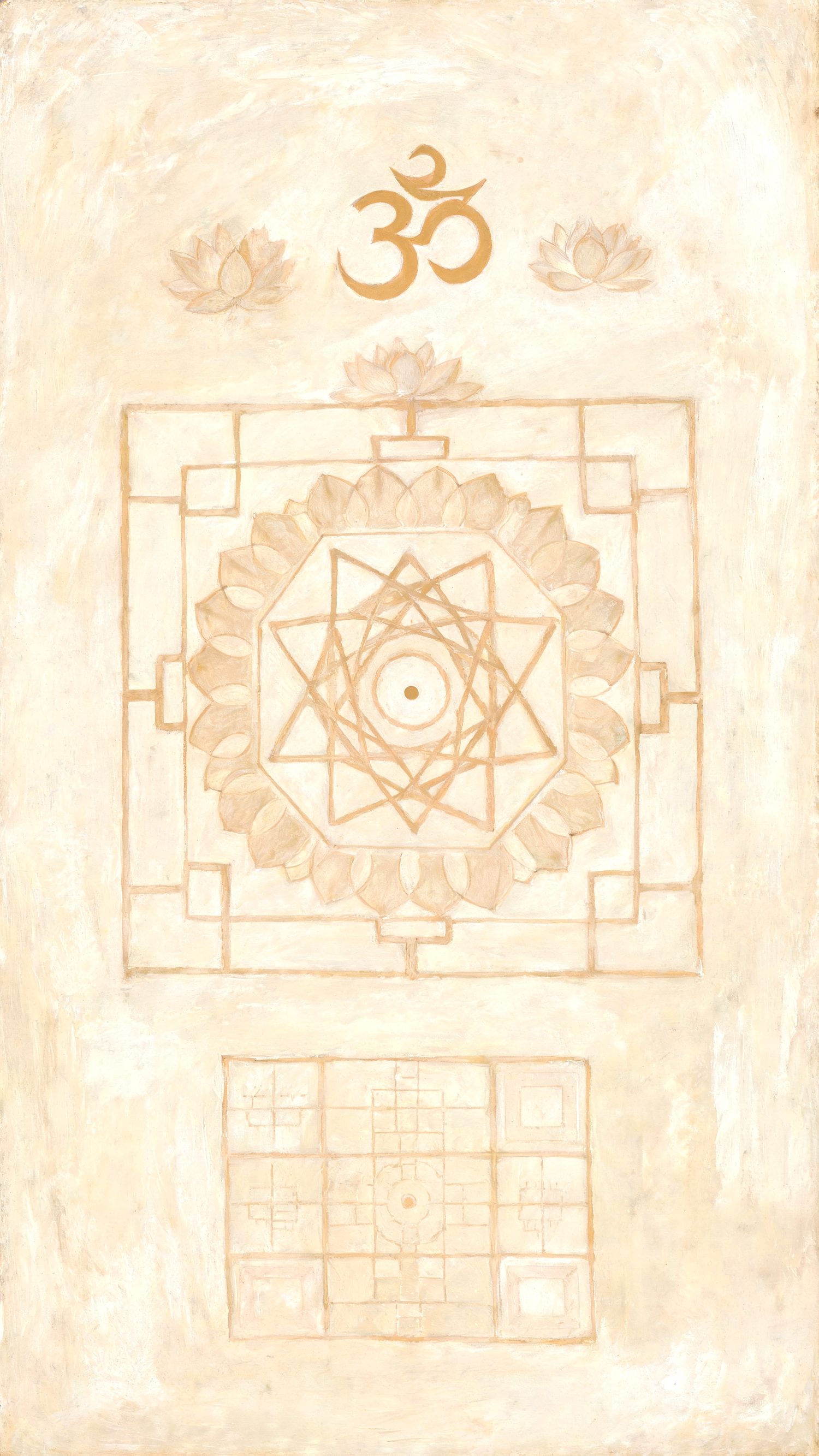
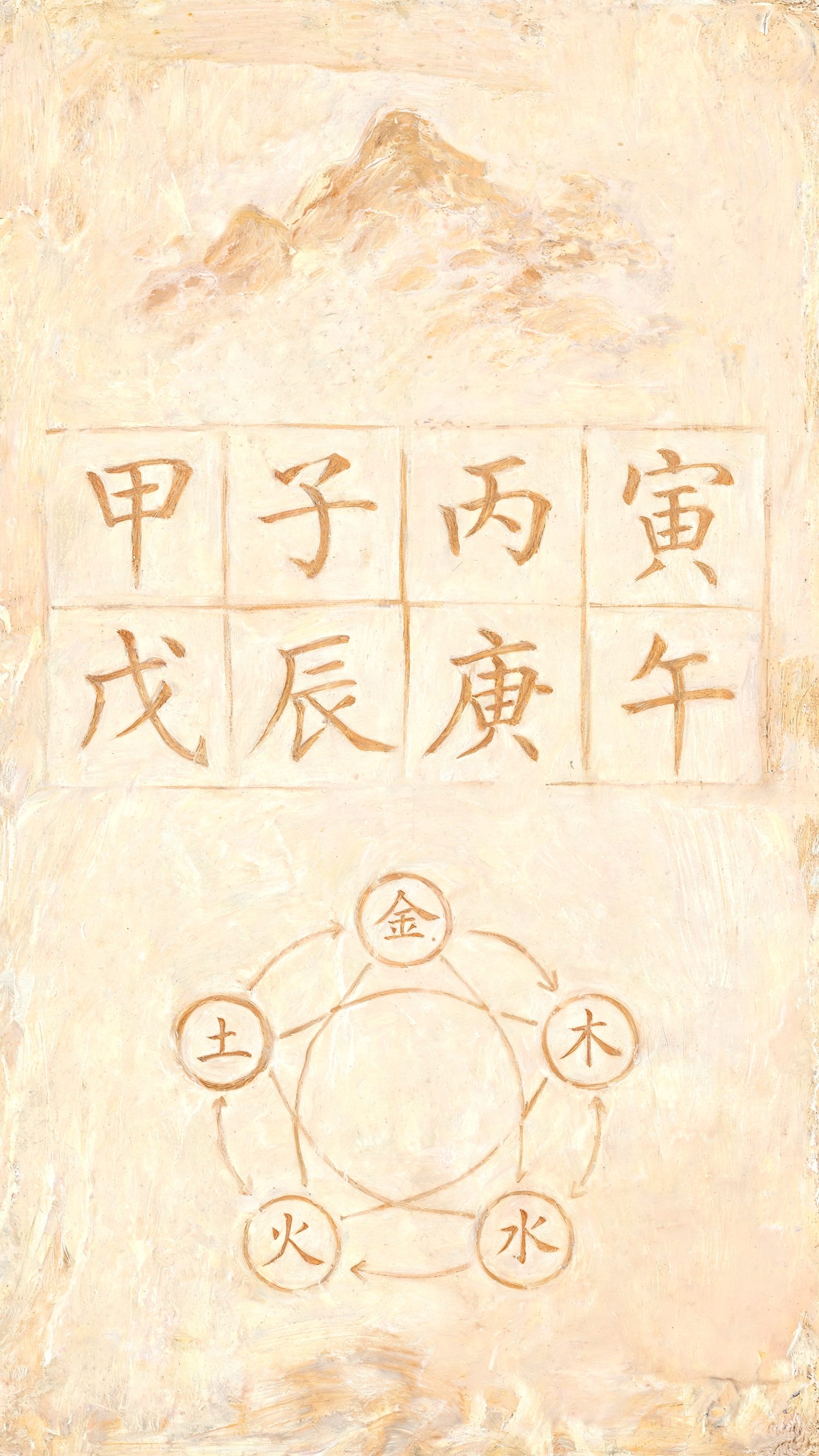

One birth moment, all twenty-four, folded into a single mark.