


Archetypes
The Sigil’s 96 Archetypes
We call the Sigil’s eight points the ‘aspects’, each drawn from twelve archetypes and tinted to the axis’s colour so the eight read as distinct tokens. Across all eight aspects that is 96 symbols, and with twelve to choose from on each of the eight the Sigil resolves to one of 429,981,696 possible combinations. The selector reads which pole your chart leans to, then draws one of that pole’s three at even odds.
Of each axis’s twelve, nine are pole-leaning (Leader / Advisor / Free Agent, or the equivalent triad on that axis, three per pole) and three are for charts where every corner stays live, drawn only when a chart moves evenly between all three poles. Most charts never see one of those three.
how you take charge
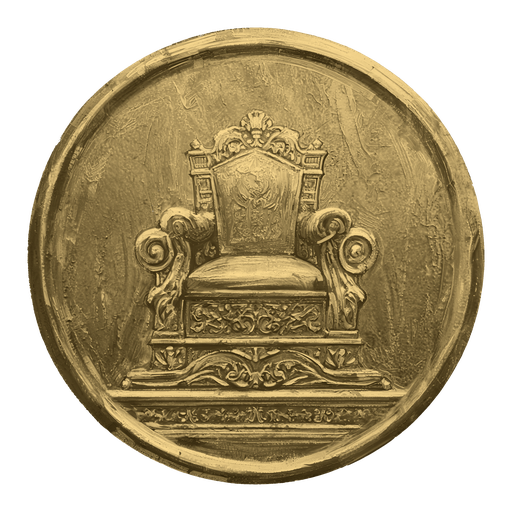
Twelve coloured tokens: nine pole archetypes (three per pole) and three for charts where every corner stays live. On this axis the poles are Leader, Advisor, and Free Agent; your chart sets which one leads, and within it each of the three tokens has an equal chance.
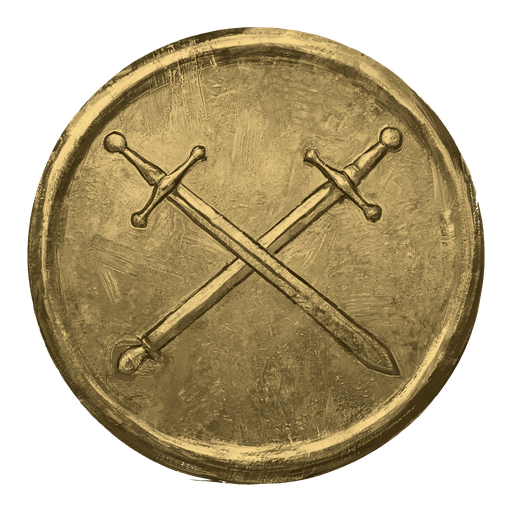
Leader
The frontal sovereign. The chair is taken rather than given. People follow because the gesture of forward motion is unambiguous; authority arrives through initiation, visible commitment, and public stance. The room turns toward you because the others were waiting for someone to step, and you had already stepped.
- The Open Crown
You cannot enter a room quietly; people turn toward you before you have said a word.
- The Standard-Bearer
Strangers assume you are in charge of something even when you are off duty.
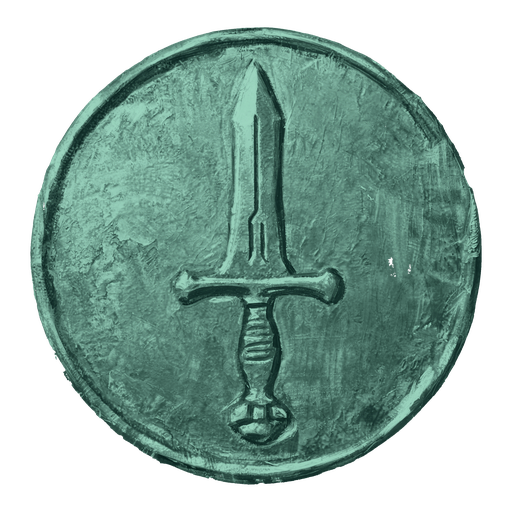
- The First Sword
You take charge by moving before the discussion ends, because waiting has cost you more than wrong moves ever did.


Advisor
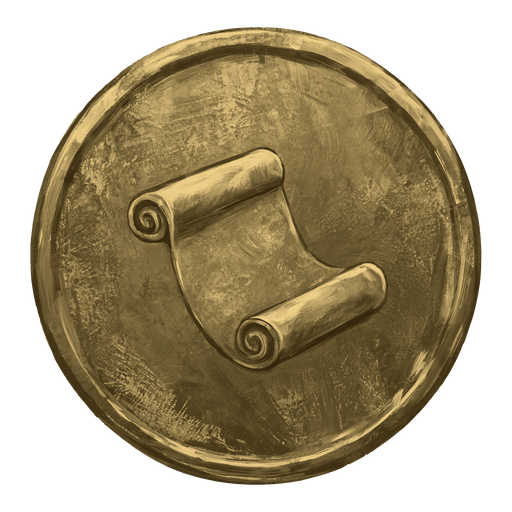
The trusted source. People come to you for the version of the question they could not arrive at alone. Authority through clarity, restraint, and the consistency of being correctly slow. The chair is yours because the room would not be calm without you in it; you lead by being the voice that quiets the noise.
- The Right Word
People quote your sentences back to you weeks later, word for word.
- The Long View
People bring you the five-year question, not the five-minute one.
- The First Answer
The first thing you say in a room is usually the thing the room needed said.


Free Agent
The independent sovereign. The chair you sit in is your own rather than the one others built for you. Leading anyone was never required; you only need to run your own life your way, and from that distance the rest of the world rearranges itself around your choice.
- The Unled
You would rather run a small thing your own way than a big thing someone else's way.
- The Step Apart
You join every circle one step outside it, on purpose, and the distance never closes.
- The Far Aim
Local questions never hold you; you answer them by pointing past the horizon.



Every Chair · seldom
No single way of taking charge runs away with it; you lead, advise, or go your own way as the room requires.
- The Turning Chair
You take whichever seat the moment asks, and the seat you take today is not the one you take tomorrow.
- The Round Table
No single title has ever stuck to you; every label people tried eventually proved wrong.
- The Open Court
Leading, advising, and walking alone are all equally available to you, and the room decides which one appears.

how you get noticed
On this axis the poles are Performer, Connector, and Quiet Star; your chart sets which one leads, and within it each of the three tokens has an equal chance.
Performer
The light in the room. You shine outward and the room turns toward you; the spotlight is the daily weather of being you rather than a thing you reach for. People assume you want attention; you simply emit it, the way a fire emits heat. The audience is part of how the work becomes itself rather than the prize that arrives after the work is done.
- The Light Source
The spotlight finds you because you are the thing emitting it; you cannot dim on command.
- The Stage-Born
You do your best work watched; an empty room flattens you the way a full one lifts you.
- The Watchable
Rooms turn toward you and stay turned, even when you are doing nothing in particular.



Connector
The bridge. You become visible through who you gathered; the network is the work, and the people you introduced to one another constitute the public record of you. Your reputation travels through the rooms your circle is in, often arriving before you do. The audience that knows you knows you because somebody else in their orbit knew you first.
- The Gathering Point
Your reputation is made of the people you brought together, and it travels ahead of you.
- The Introducer
People who matter to each other met through you, and they remember that first.
- The Word That Travels
Conversations you start keep going in rooms you never entered.



Quiet Star
The recognised craft. You become known through the work itself rather than the stage around it; the audience that knows your name knows it because they read the book, used the tool, sat in the building. Your visibility is durable rather than bright, slow rather than viral, the recognised authority that arrived layer by layer over decades. The work is the platform.
- The Finished Work
You are known by the quality of what you completed, not by the noise made around it.
- The Known by Few
Your fame is half private; the people who know your name actually read the work.
- The Long Name
Your reputation was laid down layer by layer over years, and it does not wash off.

Every Light · seldom
No single route to being seen dominates; the show, the circle, and the work all carry your name.
- The Chandelier
You are seen for the show, the circle, and the work at once; cutting any one would misdescribe you.
- The Whole Theatre
You can headline, host, or hold the back room, and each one reads as fully you.
- The Converging Beams
Attention reaches you by several separate routes, so no single route explains you.
how you create change
On this axis the poles are Shaker, Grower, and Spark; your chart sets which one leads, and within it each of the three tokens has an equal chance.
Shaker
The rupture. You force change by breaking the surface; the steady state of the room reorganises around you whether the room had been planning to reorganise or not. Your gift is the willingness to be the disturbance other charts cannot bring themselves to be. The institutions and arrangements you affected are durably different because the change had real force behind it.
- The Lightning Rod
The change you bring arrives without an appointment; rooms cannot plan around you.
- The Ground-Breaker
Wherever you stand, things reorganise, whether or not they had planned to.
- The New Fact
Your arrival is the change; nothing in the room is the same once the door opens.



Grower
The cultivator. Your change is patient, accumulated, layered season by season; the harvest you eventually deliver tastes different from the harvests grown faster because the slow growth concentrated something. You create the kind of difference that holds because it was built layer by layer, by daily tending across years that no one else was willing to stay for.
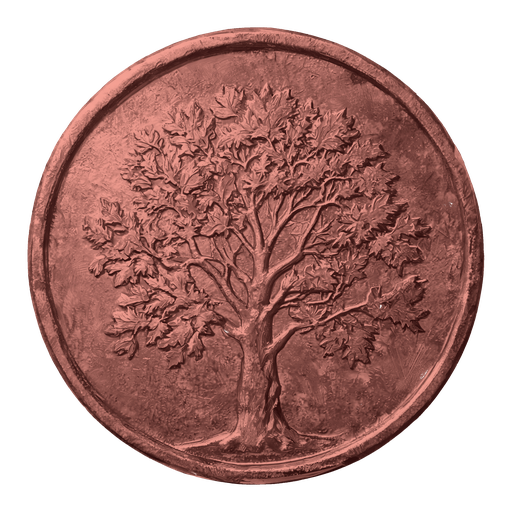
- The Slow Build
What you make holds for decades because you built it one layer per season.
- The Layered Field
Your change accumulates quietly; the shape only becomes visible after years.
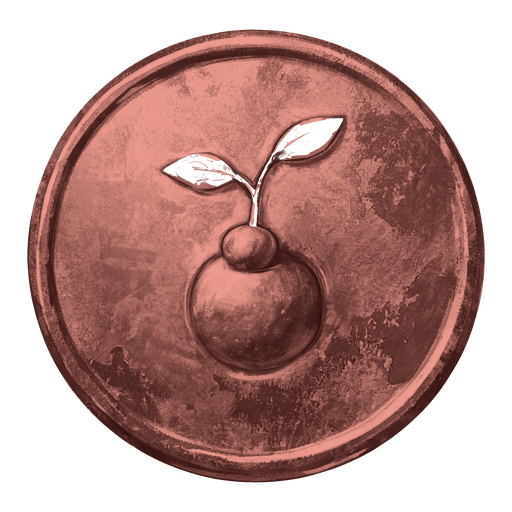
- The Long Harvest
You grow what everyone else rushed past, and the harvest tastes like the years it took.

Spark
The catalysing presence. Your change is in other people; the things you said, the way you arrived, the visible aim of you turns into actions that the room would not have taken without you. Your gift is the catalysing-effect, the small remark or gesture that becomes someone else's project, the spark that lights other people's fires while leaving you mostly where you were.
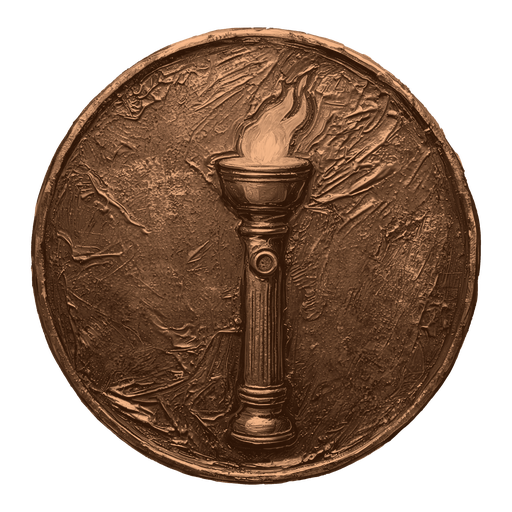
- The Carried Flame
Rooms run hotter because you walked in, and the heat stays after you leave.
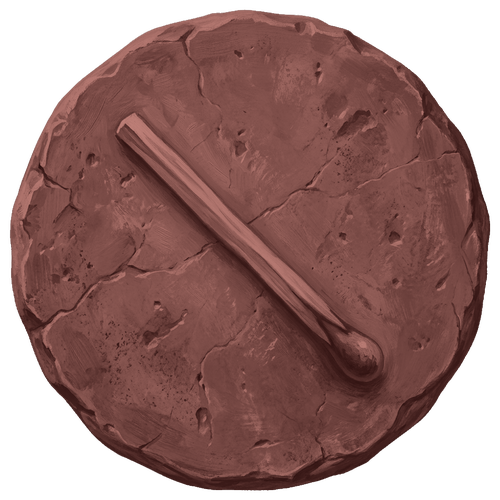
- The Dropped Match
Things you said in passing turn up later as other people's projects.
- The Pointing Hand
You aim, and other people run after your aim while you stay mostly where you were.

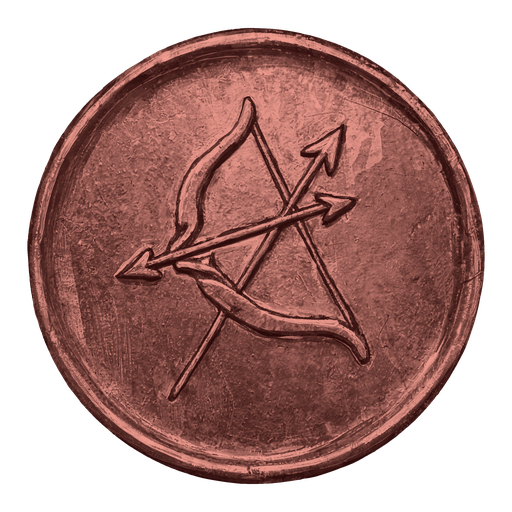
Every Fire · seldom
No single way of making change leads; you break, grow, and ignite in roughly equal measure.
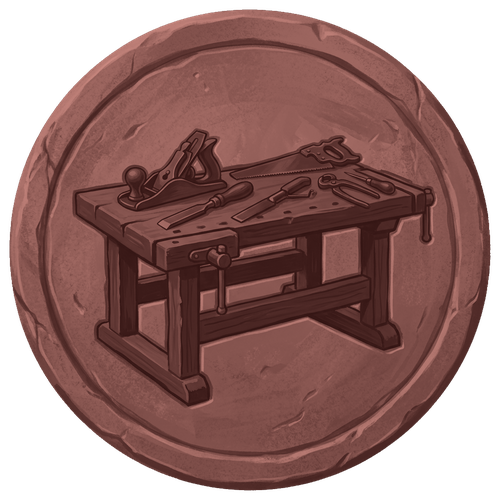
- The Workshop
You can break a thing, grow a thing, or light a thing in someone else, and you have done all three.
- The Scattered Sparks
Your change fires in several directions at once rather than down one channel.
- The Forgemaker
You bring force, patience, and ignition to the same problem and switch tools mid-swing.


how you time things
On this axis the poles are Starter, Responder, and Slow Burn; your chart sets which one leads, and within it each of the three tokens has an equal chance.
Starter
The opener. You move first; the room reorganises to keep up, and the deciding and the doing are one motion in you. Your timing-signature is the initiation itself: the chart was built to be the green light, so there was never one to wait for. Other people brace when they see you arrive because the arriving and the beginning are the same event.
- The Green Light
Deciding and doing are one motion in you; there is no gap for second thoughts to live in.
- The First In
You enter first, and everyone else arranges themselves after you have already begun.
- The Serial Opener
You keep things alive by starting them again; beginnings are your maintenance.

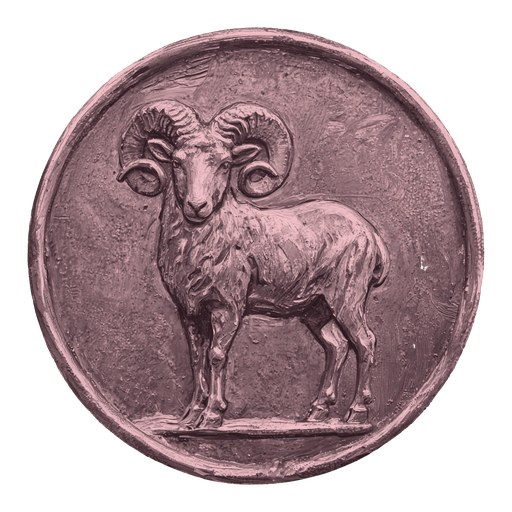

Responder
The reader. You wait for the room to give you its actual question, then you answer it precisely; the wait is active, the cognitive equivalent of letting a photograph develop. Your timing-signature is the responsive-second-move, the chart calibrated to read first and act second. The accuracy you bring is the consequence of having waited long enough to actually see the question.
- The Answered Call
Your best work begins when something real asks for it; projects you force from nothing tend to stall.
- The Fast Reply
You wait for the opening, then move faster than the people who never waited.
- The Invited Voice
Your advice lands when it was asked for and falls flat when it was not, almost without exception.
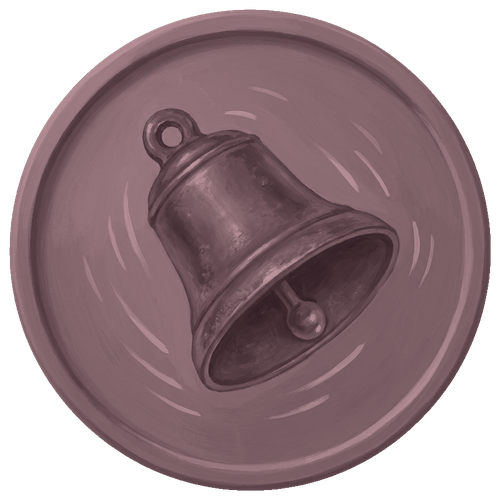

Slow Burn
The geological pace. You run your own clock; the room slows for you, never the other way around. Your timing-signature is the decade-arc rather than the season-sprint, the long underground-work that surfaces eventually in a single moment other people misread as overnight-success. The pace is fixed; the chart was built to operate at this tempo and only this tempo.
- The Kept Pace
You keep your own pace under pressure, and the pressure gives up first.
- The Long Climb
You take years to do what others rush at and miss, and yours is the one still standing.
- The Final Answer
Your answer arrives in its own time, and once it arrives it does not change.


Every Speed · seldom
No single clock runs you; you start, answer, and endure at whichever speed the moment sets.
- The Drum Circle
You keep more than one clock and switch between them without grinding.
- The Shifting Gears
You can sprint, respond, or wait out a decade on the same project, whichever the phase demands.
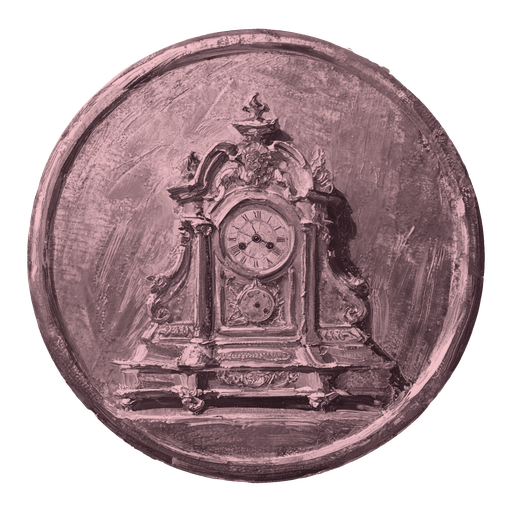
- The Whole Clock
Starting, answering, and enduring are all native speeds for you; the moment picks the hand.
how you care for people
On this axis the poles are Nurturer, Companion, and Rock; your chart sets which one leads, and within it each of the three tokens has an equal chance.
Nurturer
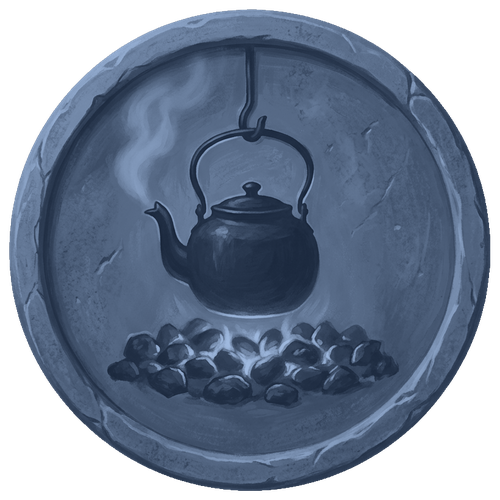
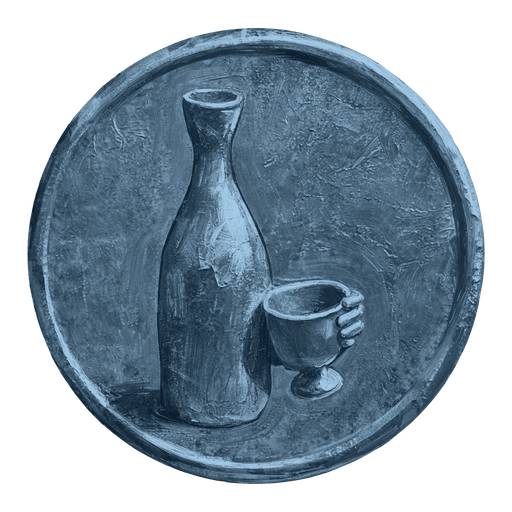
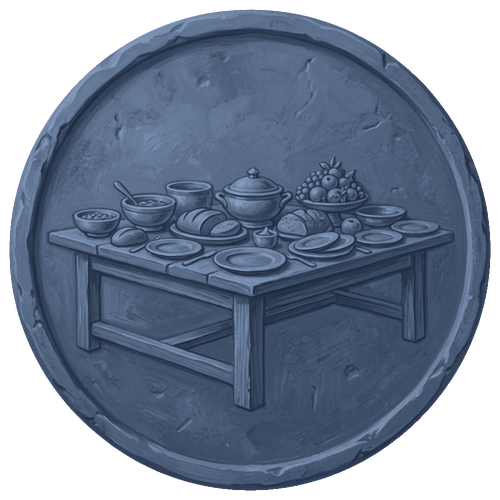
The warm caretaker. You tend by reflex; you notice who has not eaten, who has not slept, who has not been called in three days, before any of them have admitted it to themselves. Care for you is the weather you generate without trying. The household around you stays warm because somebody is the kitchen, and that somebody arrived built for it.
- The Hearth-Keeper
You notice who has not eaten or slept before they have admitted it to themselves.
- The Home Ground
You are most yourself at home, and you build the kitchen other people end up gathering in.
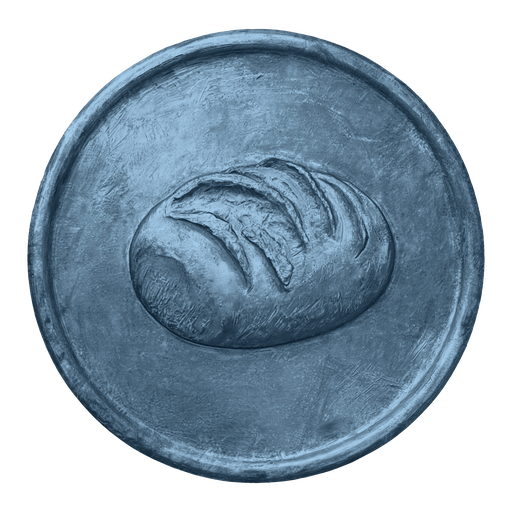
- The Set Table
You love people by feeding them; the meal is the message and it is enough.

Companion
The one beside. Your care is the second chair pulled close, the matched pace, the equal weight across the table. You support by presence rather than provision; the person you are tending feels accompanied through the thing rather than rescued from it. The room reads as more bearable because you are sitting in it rather than because you fixed anything in it.
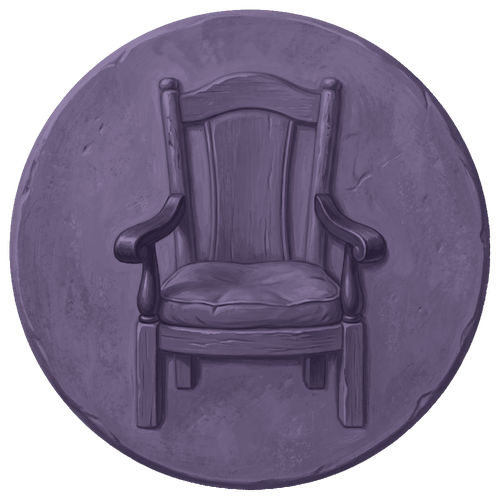
- The Second Chair
You care by pulling a chair alongside, not by taking over; people feel accompanied rather than rescued.
- The Across-the-Table
You become more yourself through whoever sits across from you; alone, part of you goes quiet.
- The Standing Invitation
People feel chosen simply because you showed up, and they stay longer than they planned.



Rock
The load-bearing wall. You support by holding still; people lean on you and the lean goes unfelt, because the structure you offer was built to take it. Your version of care is durability, the long unspectacular reliability that lets the people around you build their lives on solid ground. The household stays standing because somebody is the foundation.
- The Load-Bearer
People lean on you and never feel the lean land; the weight is carried without ceremony.
- The Still Point
You hold position when everything else moves, and people plan around that without telling you.
- The Quiet Shoulder
You carry weight without comment, and people count on you before they realise they started.


Every Care · seldom
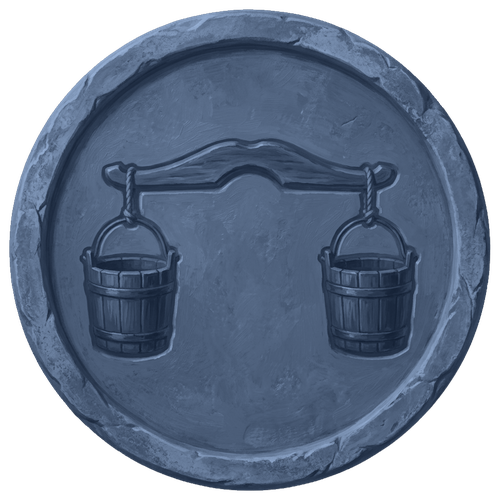
No single way of caring dominates; you feed, accompany, or hold steady depending on who is in front of you.
- The Common Bowl
You feed, accompany, and hold up the same person, switching without being asked.
- The Full Table
Your care arrives in whichever form the person actually needs that day, not the form you prefer to give.
- The Spoken Care
You care out loud; the checking-in sentence is your meal, your chair, and your wall in one.

how your family shapes you
On this axis the poles are Keeper, Bridge, and Trailblazer; your chart sets which one leads, and within it each of the three tokens has an equal chance.
Keeper
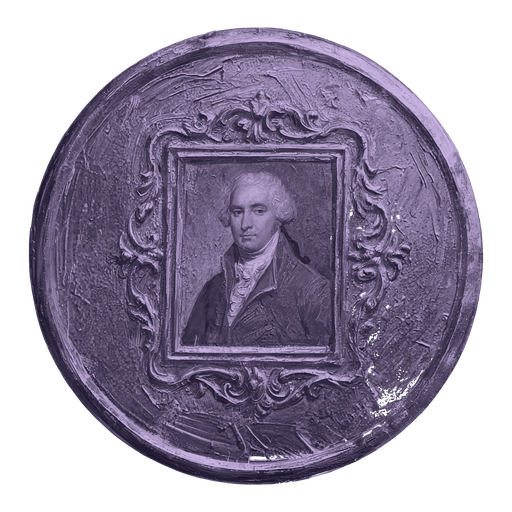
The line-holder. You carry the family forward; the recipes, the holidays, the small rituals stay alive because somebody is keeping them, and that somebody is you. Your inheritance is the daily weather of being you rather than a burden you took on, and the household-shape survives because you are willing to be its centre. The line continues through you because the line found someone willing to continue it.
- The Recipe-Holder
The holidays and the recipes stay alive because you keep them, and everyone quietly knows it.
- The Family Seat
Your visible life stays inside the family story; home is where you hold court.
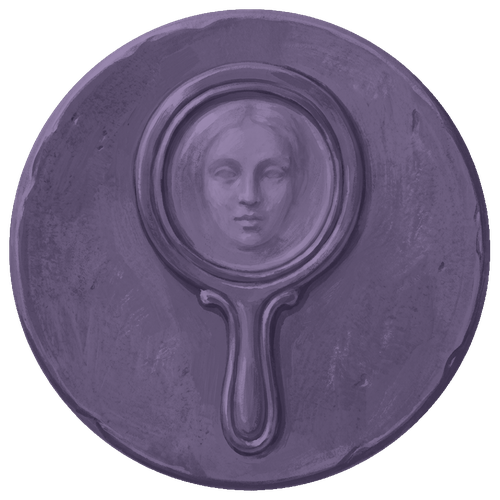
- The Family Face
People see the family on you before they see the individual; the resemblance is more than skin.

Bridge
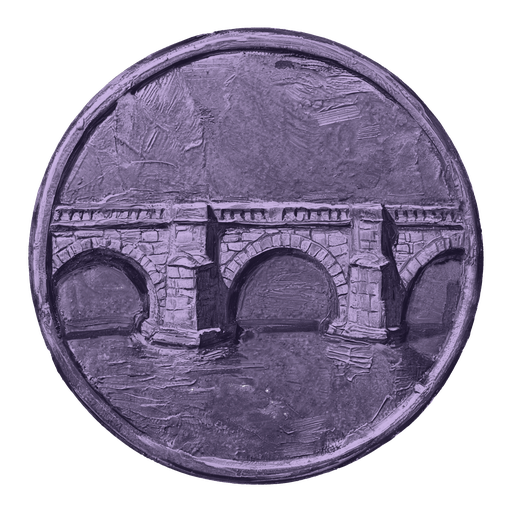
The translator. You carry the inherited line into the new world and bring the new world back to the inherited line; the two registers find one another through you, and the family-pattern survives by adapting rather than by being preserved unchanged. Your gift is the cross-room fluency, the family-story re-told in vocabulary the next generation will actually use. The bridge holds in both directions.
- The Two-World Walker
The old room and the new room both recognise you, and both count you as theirs.
- The Retelling
You keep the family story alive by telling it in words the next generation will actually use.
- The Road Home
You connect the rooted place to the far place, and the road runs both directions in you.


Trailblazer
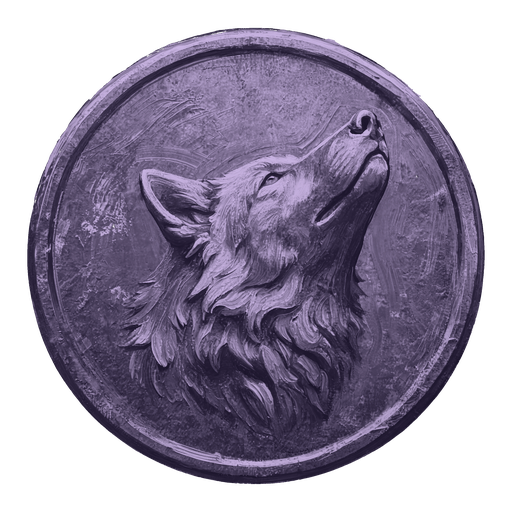
The founder. You start your own line; the family pattern stops where you start, and the new line begins with you because the chart was built to launch rather than continue. Your departure was structural rather than sentimental, and the founding-charge you carry is itself the inheritance you transmit forward, just transmuted into a new beginning rather than passed along unchanged.
- The Fresh Start
The family pattern stopped at you, and what you are building starts from new ground.
- The First Leaver
You left the house you were given, and beginning again is your oldest emotional habit.
- The Self-Made Elder
The inherited authority never fit, so you built your own and became it.

Every Thread · seldom
No single stance toward the family line dominates; you keep it, translate it, and depart from it by turns.
- The Whole Album
You hold the old story, the translated story, and the new story in a single frame.
- The Family Diplomat
You keep, translate, and break the pattern by turns, as each generation needs.
- The Braid
Inherited, adapted, and brand new are woven into one strand in you, and none can be pulled out.

how you handle endings
On this axis the poles are Guide, Closer, and Witness; your chart sets which one leads, and within it each of the three tokens has an equal chance.
Guide
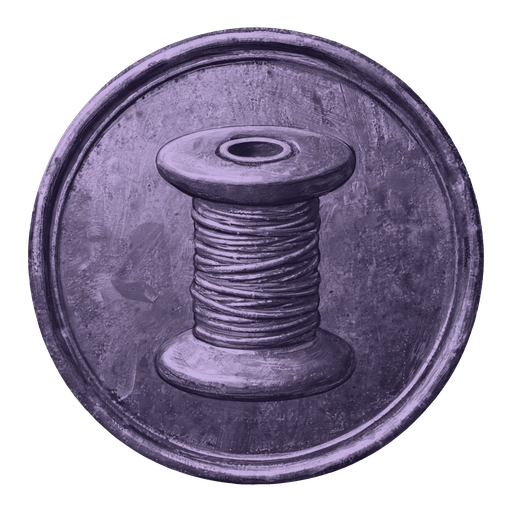
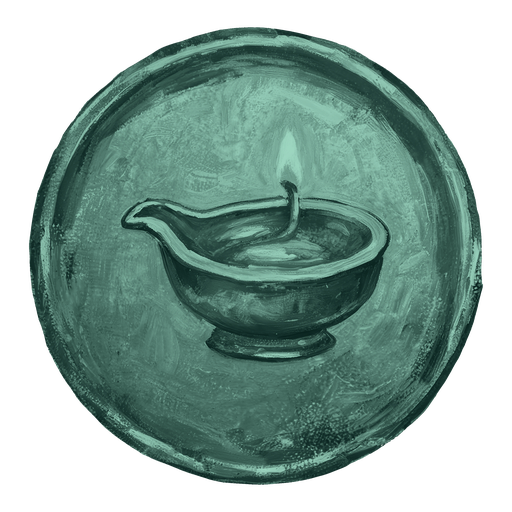
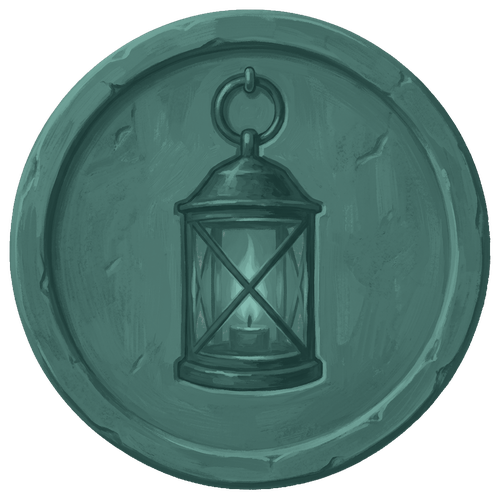
The lamp at the bend. You frame the ending as a passage rather than a wall; people who arrived at your door wordless leave with sentences usable later. Your work is the naming and the holding of the wider story around what is closing, and the naming itself is half the help. The leaving find you bearable because you meet the leaving with open eyes.
- The Lantern
People arrive at your door wordless and leave with sentences they can use later.
- The Soft Crossing
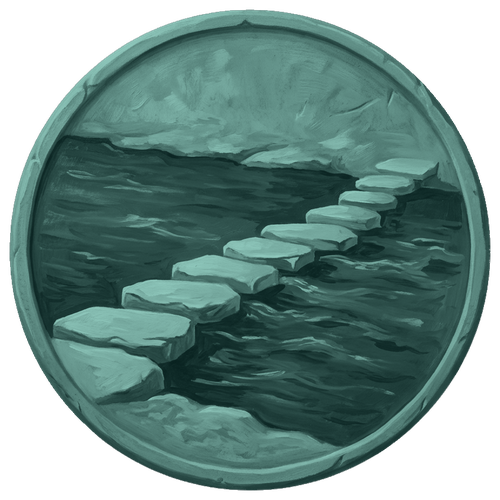
People bring you their endings because you can hold grief lightly enough to hand it back.
- The Name for It
You can say out loud exactly what is ending, and the saying itself is half the help.

Closer
The clean cut. You end things when they need to end, sparing them the rot in the meantime; the people on the receiving end rarely thank you in the hour. Years later they often do, once they see the slow death you spared them. Your authority is the willingness to make the actual move, dated and signed, while the others are still negotiating with what is already gone.
- The Clean Cut
Once you decide a thing is over, it is over, with a date on it and no reopening.
- The Quick Mercy
You end the dying thing fast instead of letting it rot; the thanks arrive years later.
- The Last Word
You preside at endings the way other people preside at openings, steady where they flinch.


Witness
The one who stays. Your gift is the durable presence, the chair pulled up to the bedside that does not get up when the hours get long. The grief in the room you sit in goes as deep as it needs because you are not asking it to be quicker. The room is bearable because somebody is in it, and that somebody is you.
- The One Who Stays
You sit with what others cannot bear to look at, and you do not get up early.
- The Deep Steady
You can stay with a feeling at its full depth for as long as it actually takes.
- The Bedside Chair
You are the room people break down in, because you never ask the grief to hurry.
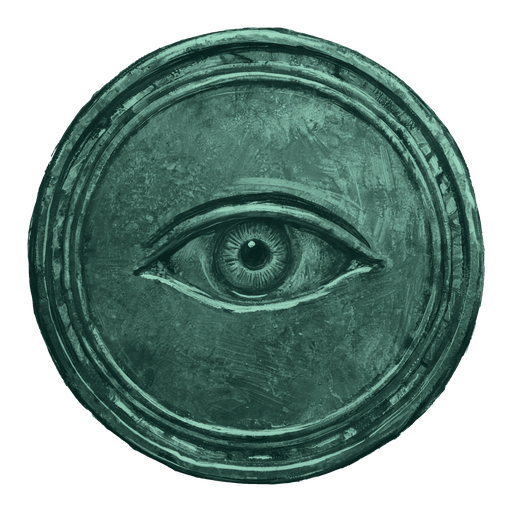

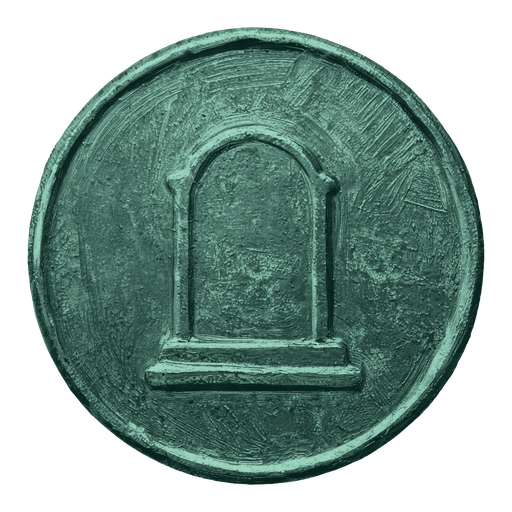
Every Door · seldom
No single way of ending leads; you guide, cut, or stay with it, ending by ending.
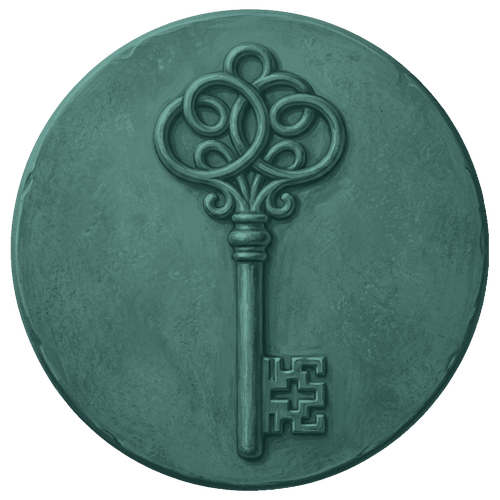
- The Master Key
You guide, cut, or stay, depending on what the particular ending needs from you.
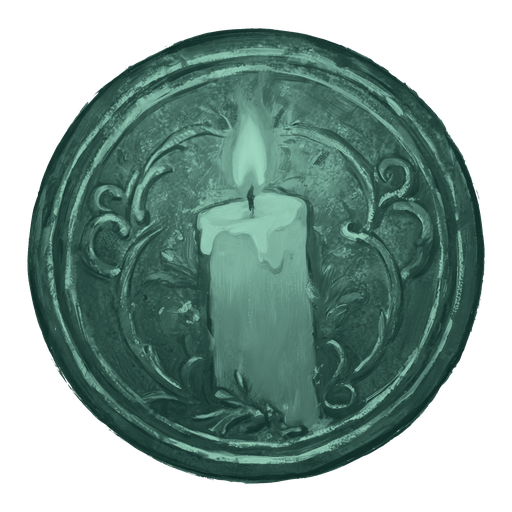
- The Full Vigil
You can light the way, sign the ending, and keep the chair, all in the same long night.
- The Night Rounds
You watch an ending from every side and switch posts without flinching.
how your nature is mixed
On this axis the poles are Driven, Grounded, and Deep; your chart sets which one leads, and within it each of the three tokens has an equal chance.
Driven
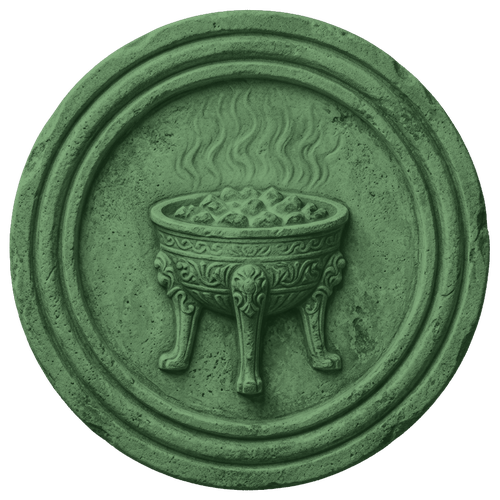
The active fire. Your nature is mixed but the fiery, outward, pushing side is the loudest voice in the parliament; you arrive heated and the room takes its temperature from you. The driven side is the daily weather of being you rather than an effort, and the chart's structural-default is the active-thrust rather than the receptive-hold. Other people draw heat from you because the heat is available.
- The Open Flame
You arrive already lit, and the room takes its temperature from you.
- The Forward Lean
You move outward first and reflect later; hesitation is the state that feels unnatural.
- The Warm Engine
You give off heat just by being yourself, and other people draw on it daily.
Grounded
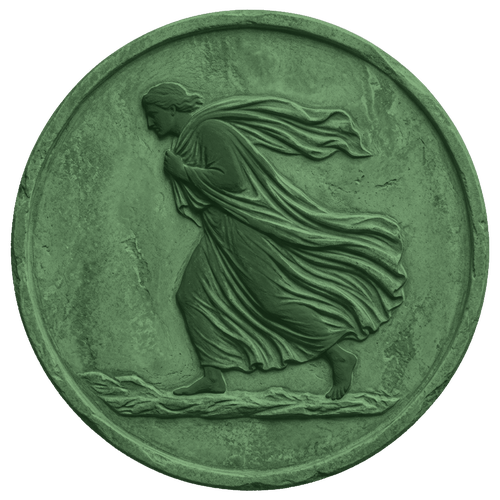
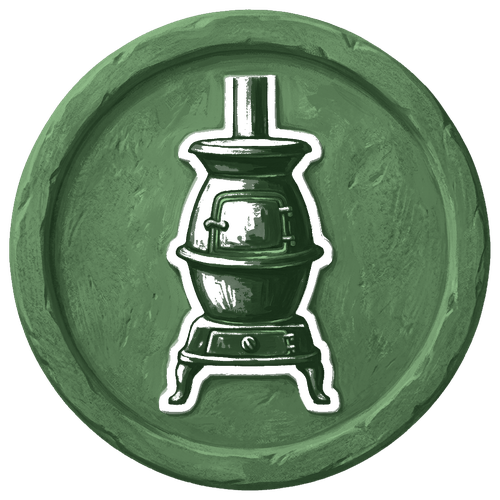
The embodied earth. Your nature is mixed but the steady, practical, body-rooted side leads; you ground others by simply being in the room. The grounded side is structural rather than learned, and the daily-practical-reliability that the chart produces is the chart's elemental-default rather than a virtue you cultivated. The room is more stable because you are in it.
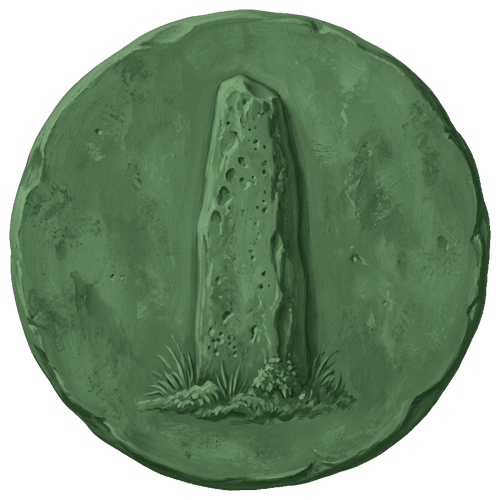
- The Standing Stone
You steady a room by being in it; nothing needs to be said.
- The Planted Foot
You hold your ground when the wind picks up, and people build next to you because of it.
- The Steady Hand
The daily, practical, precisely measured thing is your medium, and your work shows it.

Deep
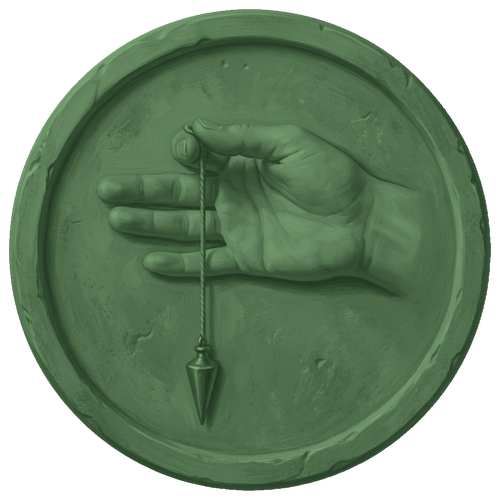
The feeling water. Your nature is mixed but the quiet, inward, feeling side leads; you take in the room's weather before you respond to it. The deep side is the chart's structural-orientation toward reception over assertion, far from shyness, and the depth is genuinely yours rather than a posture. People feel met in your presence because the meeting happens at the feeling-level first.
- The Undertow
You take in the room's weather before you respond, and your response shows you took it in.
- The Inner Tide
You live by an inner clock of retreat and return, not by the posted schedule.
- The Deep End
You live at the bottom of feeling, where most people cannot stay long enough to meet you.


Every Current · seldom
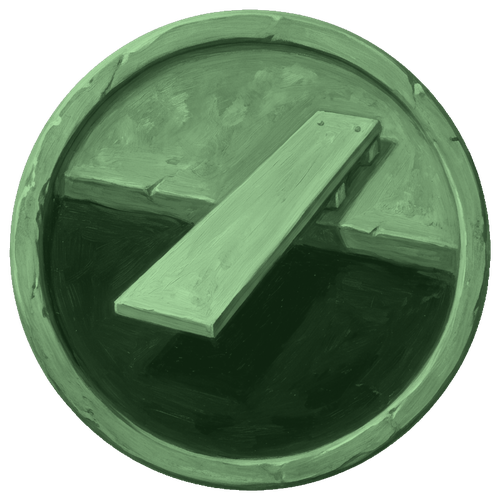
No single temperament leads; the active, the steady, and the deep all pull real weight in you.
- The Weather System
Your outside runs hot and your inside runs deep, and neither one is an act.
- The Confluence
Drive, steadiness, and depth run in one connected channel; press any one and the other two answer.
- The Mixed Metal
How you feel and how you speak run on different fuels, and people who know only one channel misjudge the other.