Modern Science is the youngest of all the traditions read here, Kymberley, and the only one that asks for its own claims to be checked. It measures populations, so every figure below is a likelihood observed across many people, never a verdict on you. The findings that follow were chosen because the temperament this reading computes for you runs a particular way. Each hypothesis states its trait plainly, lays out the published evidence with its numbers, names the confidence the record supports, and then notes where another tradition in this reading reached the same trait by its own route.
Hypothesis one: you tend toward the visible seat, rising where a room can see you and standing a little apart from the group rather than folding into it. A reanalysis of decades of small-group and organizational studies found three signals that reliably predict whether observers read a person as a leader: intelligence, dominance, and a masculinity and femininity dimension [8]. The mechanism is prototype matching, where onlookers file someone as a leader by how closely she fits a stored picture of one [8]. A separate meta-analysis adds that a raised sense of self-importance carries a small but reliable positive tie to emerging as a leader and being rated leader-like [1]. The caveat rides beside the landmark: the tie to leading well is curved, an inverted U, so moderate self-assurance outperforms both the very low and the very high [1].
First meetings run the same direction. Among strangers, people higher in that self-assured style were rated more likable and more popular within minutes, across three independent samples [4]. The warmth travelled through confident presentation, expansive body language, and a humorous verbal manner rather than through the trait itself [4]. The wish to stand apart is measurable on its own terms: need for uniqueness is a stable trait, and its high scorers actively differentiate themselves and resist pressure to conform [3]. Interest in recognition is layered too, running from a mild social level through intense personal attachment to an over-identified extreme, and the intense levels are the ones that track lower wellbeing [2]. Confidence is strong for the leadership and uniqueness results, which are landmark and widely replicated, and moderate for the first-impression and recognition findings, which are replicated.
Other counts in this reading describe the same figure from their own ground. Western astrology sets the part of your sky that stands for career and public standing at the top of the chart, with your growth pointed there. Human design, a modern chart of how a person's engine runs and rests, calls your profile the Role Model, a life built to be watched, and reads your pull on others as influence handed to you rather than seized. The tarot birth-card count deals you the World, its card of completion met in public view, as both the outward card and the soul card.
Hypothesis two: you carry a circle, holding its standards and its memories, and you give care out faster than you take it in. That shape has a measured occupational hazard. Burnout is a stable structure of three parts, emotional exhaustion, a hardening cynicism, and a shrinking sense of accomplishment, and the structure replicates across occupational samples internationally [6]. Among people who care for others for a living, the exposure is common and real. Pooled across 79 studies of 28,509 nurses in 11 countries, average burnout scored 26.64 and secondary traumatic stress 25.24, both in the moderate range, beside a compassion satisfaction of 33.12 [7].
The protections are measured as carefully as the hazard. Across 316 samples and 99,329 working adults, recovery experiences predicted better work and health, and psychological detachment, the true switching off after hours, was the strongest buffer against exhaustion of the four kinds studied [5]. Support from the people around the work pulls the same lever, tied to the exhaustion component at a corrected correlation of -.26, more strongly than to either other part of burnout [10]. Confidence across this cluster is strong; the structural and recovery results are landmark work with wide replication, and the caregiver figures are a broad replication across countries. The reading agrees from other directions: human design names one of your defined channels the caretaker who keeps a group's standards, and the Egyptian birth-calendar sets your days under Bastet, its cat-headed guardian of hearth and threshold. The practical move the studies point to is plain: end each working day somewhere the caretaking cannot follow you, and let one trusted person hear what the holding costs.
Hypothesis three: you weigh the far outcome over the near one, and you commit on your own clock. A trait has been measured for exactly this. Consideration of future consequences, the degree to which a person weighs the distant results of her own behavior against the immediate ones, predicts future-protective conduct, from fewer damaging habits to steadier seatbelt use [9]. The correlations run typically between .20 and .35, and they hold after related traits are controlled [9]. Confidence is moderate: the effect is modest, real, and replicated. Three other counts in this reading find the same patience. Human design tells you to answer after days, never on the spot. The Hindu count of lunar days reads your birth night, the ninth of the waning half, as made for patient effort and the long release. The Chinese farming calendar of twenty-four seasonal stations names your birth term Minor Heat, the slow build before the peak of summer.
One light signal sits at the back on purpose. People show a small, measurable tilt toward the letters of their own name, an effect a scholarly review counts as replicated across dozens of independent studies in 15 languages and five different alphabets [11]. A psychometric analysis of 18 independent samples, 2,690 participants in all, confirms the preference is real and fairly stable, while cautioning that different scoring methods for the same test can shift the conclusions drawn from it [12]. As measurement this is well replicated; as a claim about one person it stays the faintest line in the section. It is noted here only because numerology, the count that reads names as numbers, works your two names side by side, the one you were born with and the one you took at marriage. The rule that opened the section closes it: every figure here is a likelihood across a population, and whether it fits your one life is yours to judge against your own record.
[1] Grijalva, E., Harms, P. D., Newman, D. A., Gaddis, B. H., & Fraley, R. C. (2015). Narcissism and leadership: A meta-analytic review of linear and nonlinear relationships. Personnel Psychology, 68(1), 1-47.
[2] McCutcheon, L. E., Lange, R., & Houran, J. (2002). Conceptualization and measurement of celebrity worship. British Journal of Psychology, 93(1), 67-87.
[3] Snyder, C. R., & Fromkin, H. L. (1977). Abnormality as a positive characteristic: The development and validation of a scale measuring need for uniqueness. Journal of Abnormal Psychology, 86(5), 518-527.
[4] Back, M. D., Schmukle, S. C., & Egloff, B. (2010). Why are narcissists so charming at first sight? Decoding the narcissism-popularity link at zero acquaintance. Journal of Personality and Social Psychology, 98(1), 132-145.
[5] Headrick, L., Newman, D. A., Park, Y. A., & Liang, Y. (2023). Recovery experiences for work and health outcomes: A meta-analysis and recovery-engagement-exhaustion model. Journal of Business and Psychology, 38, 1-32.
[6] Maslach, C., Schaufeli, W. B., & Leiter, M. P. (2001). Job burnout. Annual Review of Psychology, 52, 397-422.
[7] Xie, W., Chen, L., Feng, F., Okoli, C. T. C., Tang, P., Zeng, L., Jin, M., Zhang, Y., & Wang, J. (2021). The prevalence of compassion satisfaction and compassion fatigue among nurses: A systematic review and meta-analysis. International Journal of Nursing Studies, 120, 103973.
[8] Lord, R. G., De Vader, C. L., & Alliger, G. M. (1986). A meta-analysis of the relation between personality traits and leadership perceptions: An application of validity generalization procedures. Journal of Applied Psychology, 71(3), 402-410.
[9] Strathman, A., Gleicher, F., Boninger, D. S., & Edwards, C. S. (1994). The consideration of future consequences: Weighing immediate and distant outcomes of behavior. Journal of Personality and Social Psychology, 66(4), 742-752.
[10] Halbesleben, J. R. B. (2006). Sources of social support and burnout: A meta-analytic test of the conservation of resources model. Journal of Applied Psychology, 91(5), 1134-1145.
[11] Hoorens, V., What's really in a name letter effect? Name letter preferences as indirect measures of self-esteem, European Review of Social Psychology, 25(1)
[12] LeBel, E. P., & Gawronski, B., How to find what's in a name: Scrutinizing the optimality of five scoring algorithms for the name letter task, European Journal of Personality, 23(2), 85-106










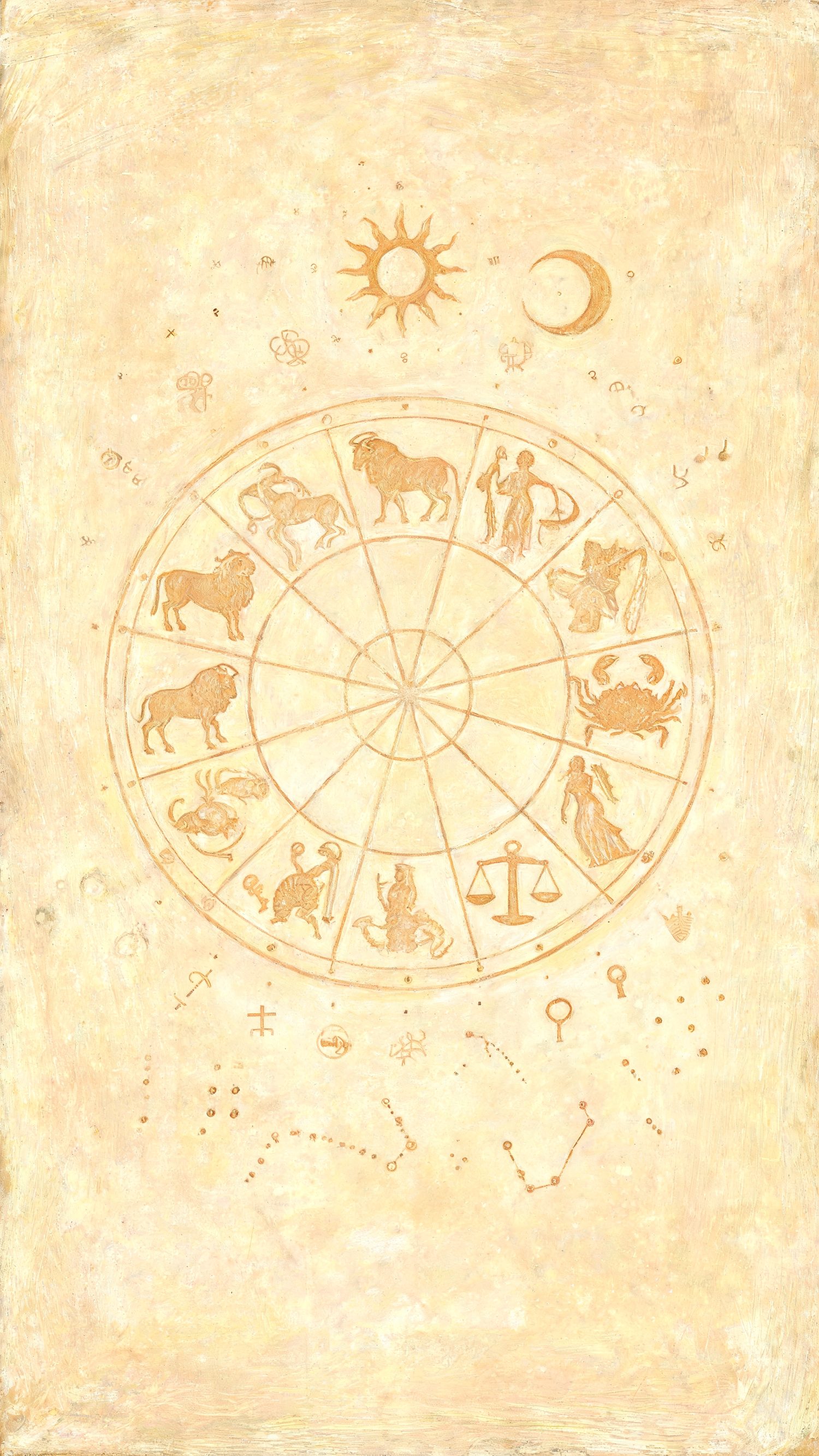
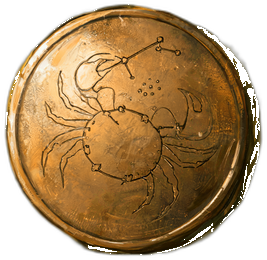 The contrast that makes you is between where you feel and where you work. Your Moon at nearly seven degrees of Taurus sits in the tenth house, the rooftop of career and public standing, so your private emotional weather is hoisted into public view and made durable there. You do not process feelings quietly; you build things out of them where others can see. Saturn joins that rooftop from twenty-five degrees of Aries, the taskmaster planet of limits sitting exactly where your reputation lives, which is why responsibility found you early and why you carry authority like something you were handed before you asked for it.
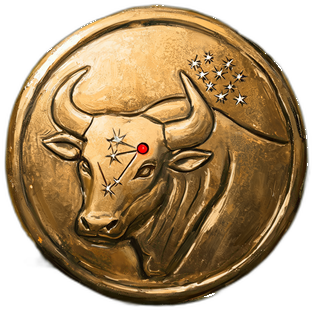 Your growth points up. The North Node at thirteen degrees of Aries sits on the tenth-house rooftop beside the Moon and Saturn, pulling you toward being the one who decides and steps forward first, away from the Libran instinct to defer and balance. Jupiter, Uranus and Pluto cluster in your third house of mind and speech, a generation's weight given a personal task: your words carry further than you think, so aim them. Black Moon Lilith, the far unowned point, sits at three degrees of Gemini in your eleventh house of community, the ungovernable voice you bring to groups. As a night chart the Moon rules you, which is why the practical instruction is simple and lifelong: feel it fully in private, then take it up to the roof and build in the light where it can hold weight and be seen.
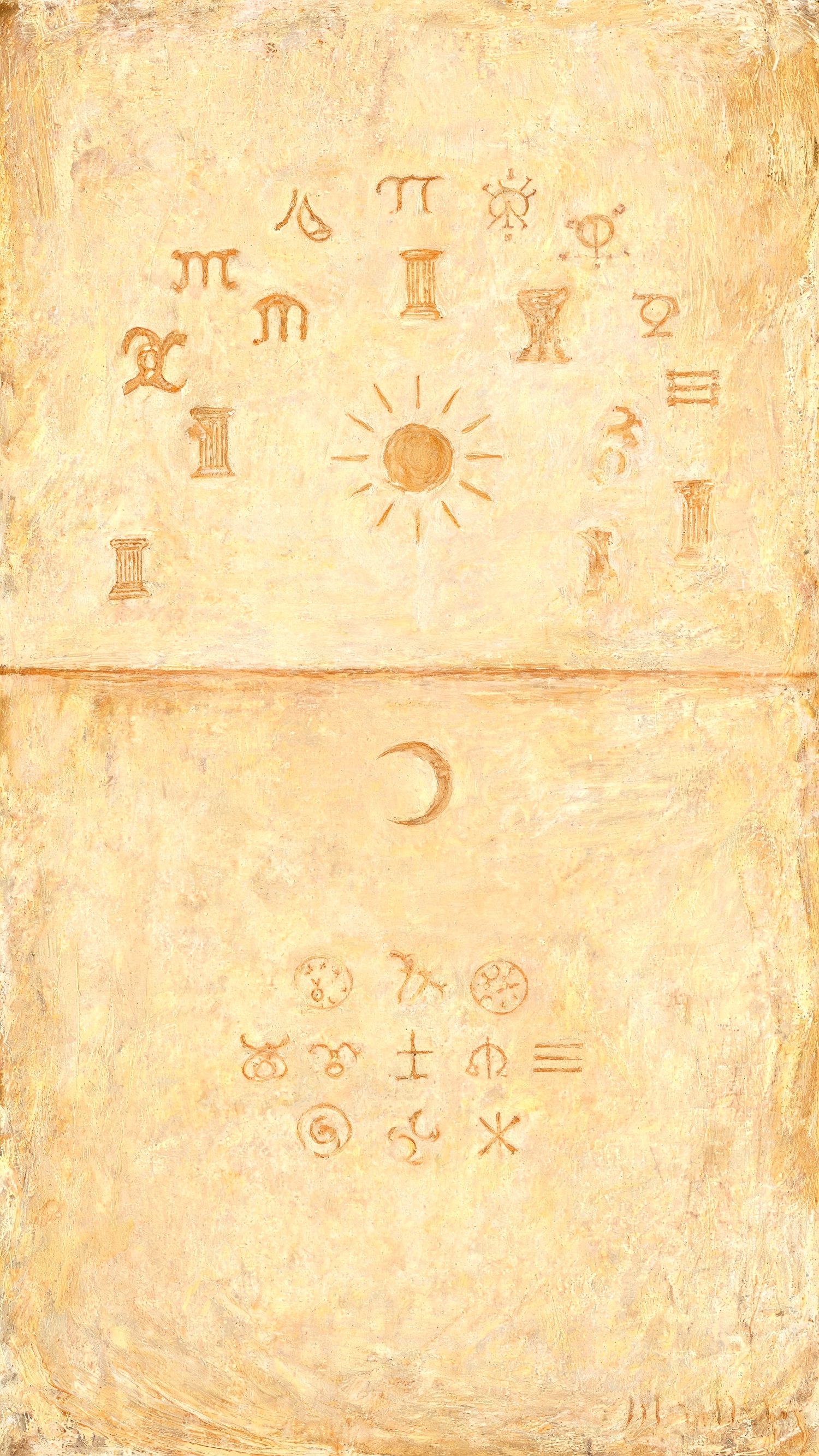
 The point the tradition calls the Lot of Fortune, the place where circumstance simply happens to you, falls in the sign of the scales, in Libra. This is the body and the luck you did not choose, and it arrives through fairness, through partnership, through the weighing of one thing against another. Good fortune reaches you sideways, brokered by another person, rarely by frontal demand. When a windfall or an opening comes, trace it back and you will usually find a relationship at its root, a person who spoke for you in a room you were not in, and you have learned to tend those rooms even when you cannot see them.
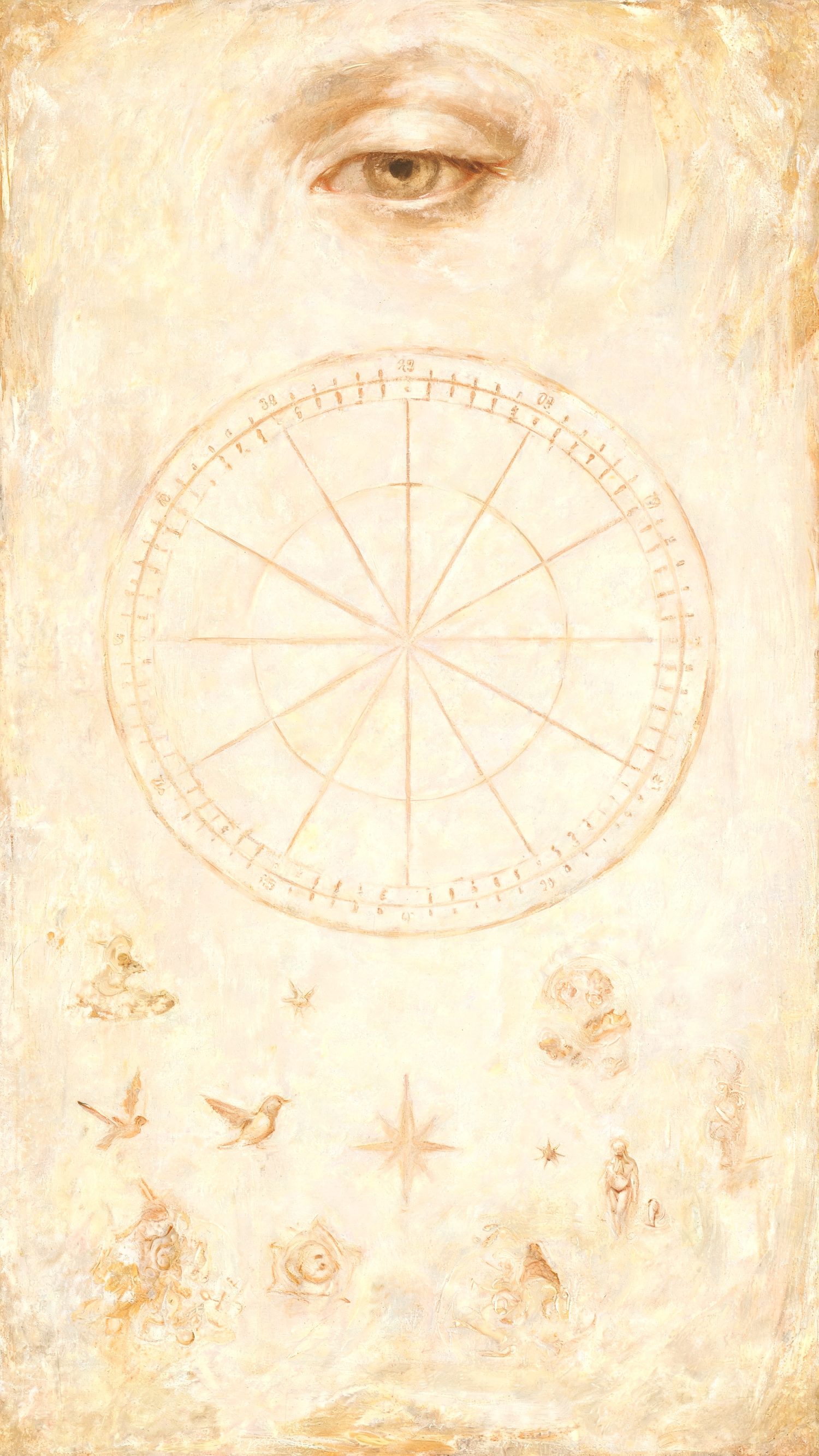
 The image asks two things of you that pull against each other, and both are the instruction. It asks you to stay in the game, to keep playing hands rather than folding out of fear, because the table is where your purpose lives. It also asks you to remember that the others at the table are playing too, that a game of chance is a shared risk and not a solo performance. When you forget the second half, you start staking things that were not yours to stake, other people's time, other people's exposure, and the table turns against you. Play openly, name your stake, and let the others name theirs before the cards turn.
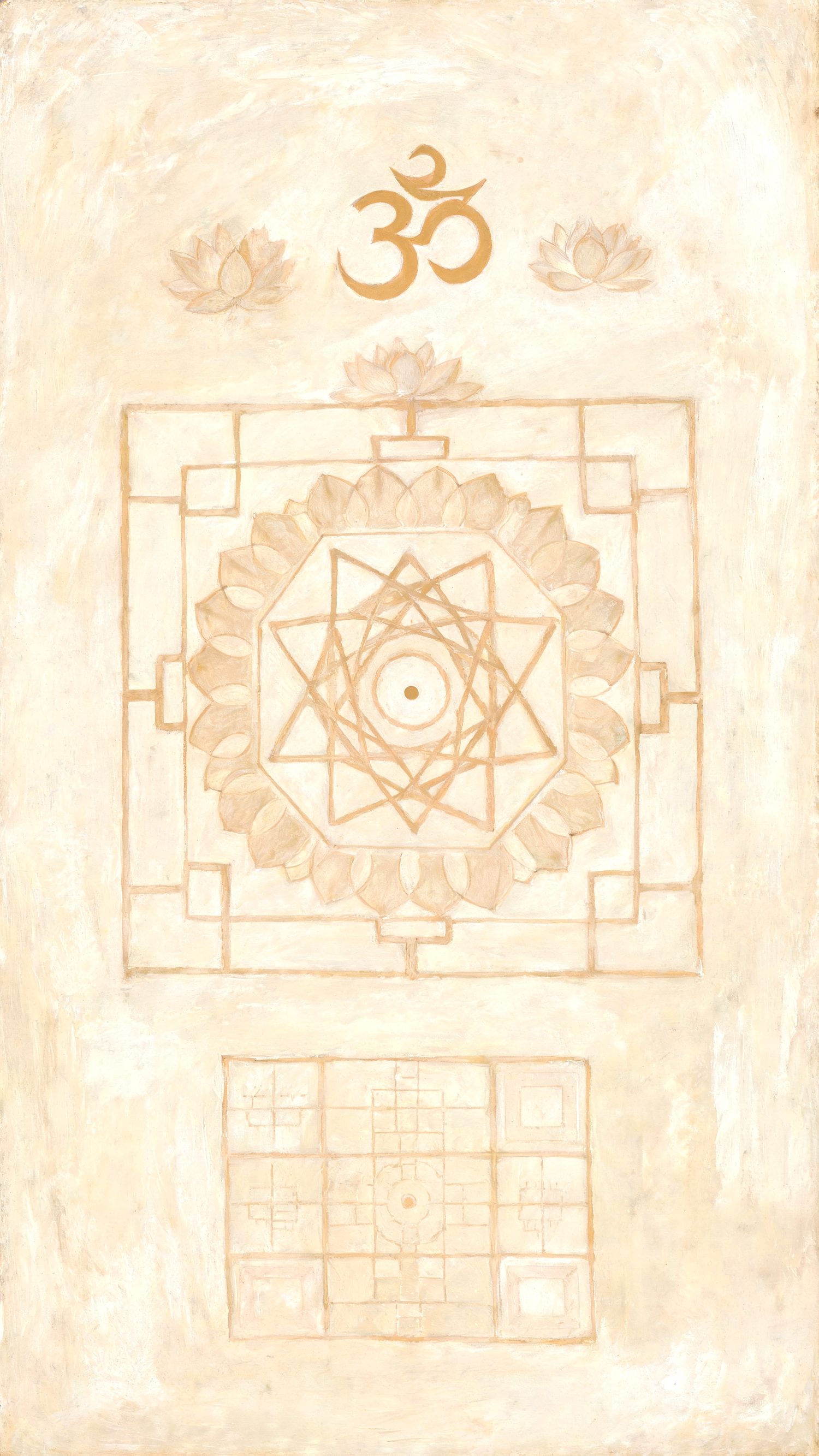
 Your Moon, the placement Jyotish weighs above all others because it holds the shape of the mind, sits in Aries in Bharani, its first quarter, ruled by Venus. Bharani is the mansion of the womb and the crucible, the place that holds a thing under pressure until it is ready to be born or released. You carry difficult things fully, without flinching, and you decide when they end; other people find your capacity for sustained intensity almost frightening. Venus ruling that fire softens it toward beauty and relationship, so the crucible you tend is usually a person or a bond, not an abstraction. When a friend is falling apart, you are the one who stays in the room the whole night and does not look away.
 Your life runs on the Vimshottari timetable, the count of chapters each governed by one planet. You were born deep inside the Venus chapter, with nearly twenty of its years still to run, a long opening season of love, art, and the tending of bonds. The Sun chapter of six years brought a sharpening of self and visibility, the Moon's ten years softened and deepened your inner weather, and the Mars seven years put effort and edge into your hands. You are now more than fifteen years into the Rahu chapter of eighteen, the head's long hunger, a stretch that enlarges ambition and unsettles the familiar; use its closing years to name what you actually want. Ahead lie Jupiter's sixteen years of widening, Saturn's nineteen of consolidation, Mercury's seventeen of craft and word, Ketu's seven of release, and a final Venus return of twenty, so that this system, refined across the Indian subcontinent over many centuries, closes your arc where it began, in beauty and devotion.
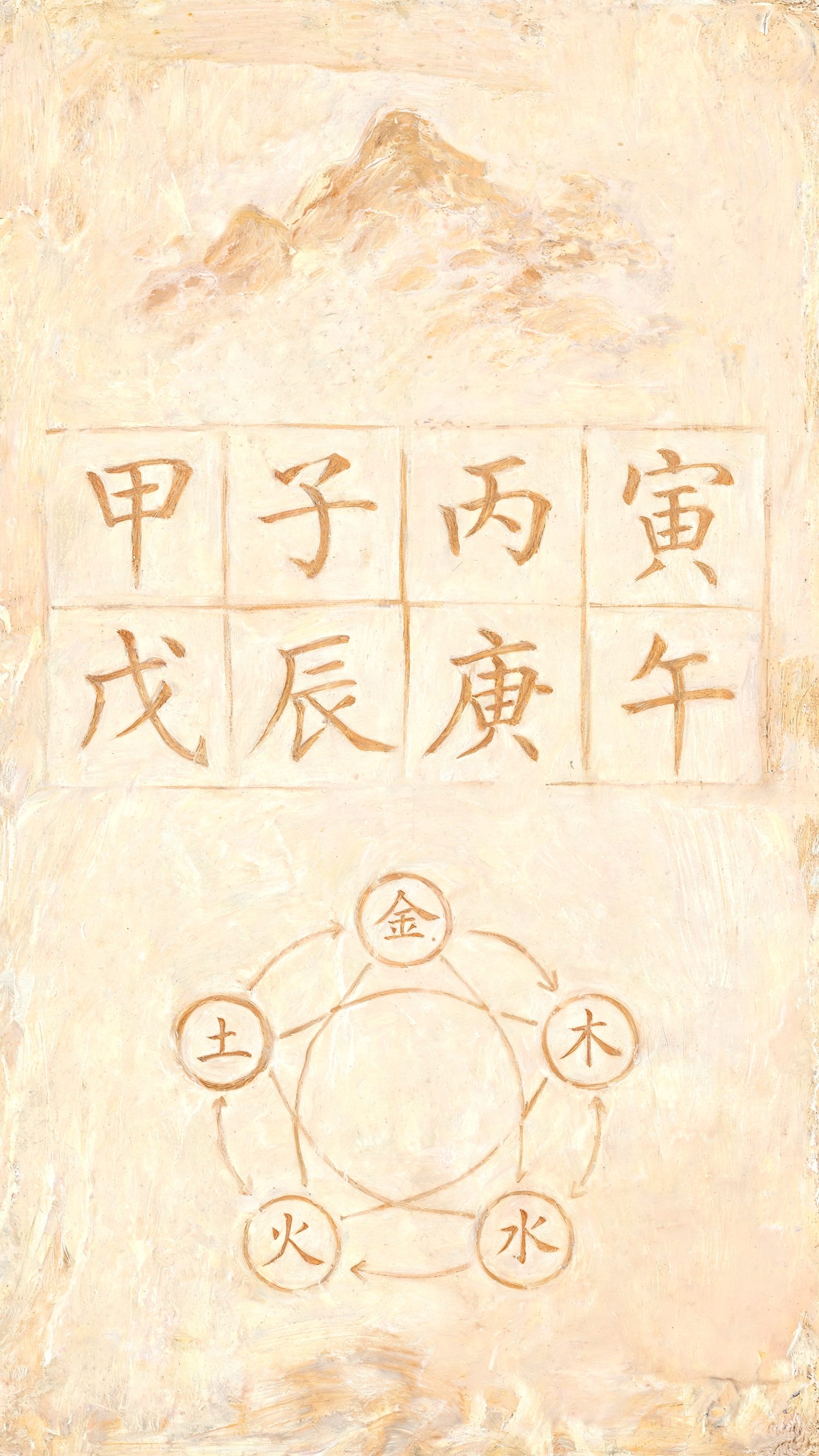
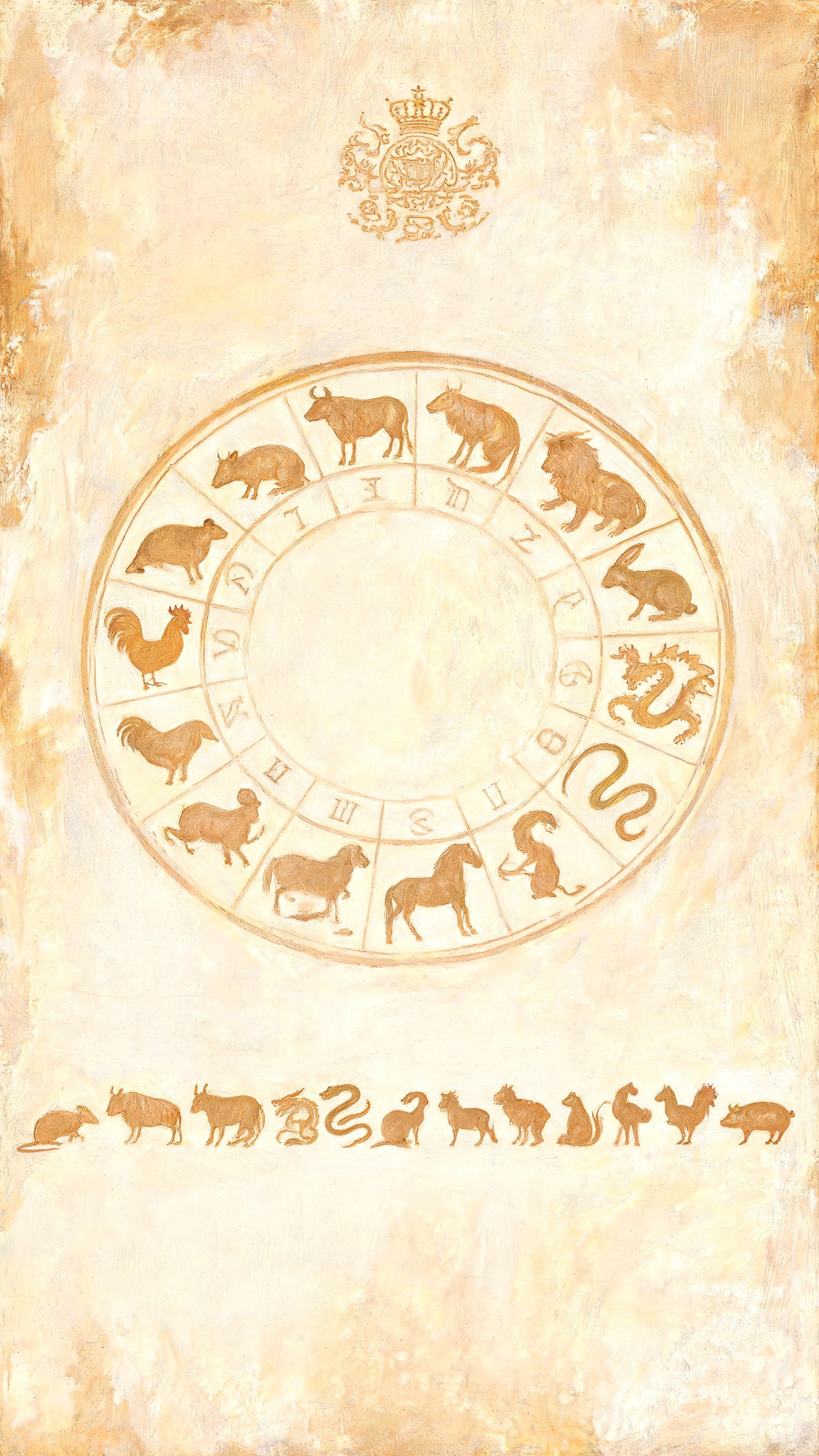
 The Year pillar, which speaks of your early life and the line you come from, is Wu Shen, Yang Earth sitting over the Monkey. Here the earth turns firm and outward, a bank or a wall, and the Monkey underneath is clever, restless, quick to solve. So the ground you grew from was solid but never dull, a household or inheritance that prized both steadiness and wit. The Month pillar, Ji Wei, doubles your own phase: Yin Earth again, this time over the Goat, another soft and nurturing sign. Your growing years pressed you toward tending and accommodation, and you learned early that the way to belong was to be the one who steadied the room.
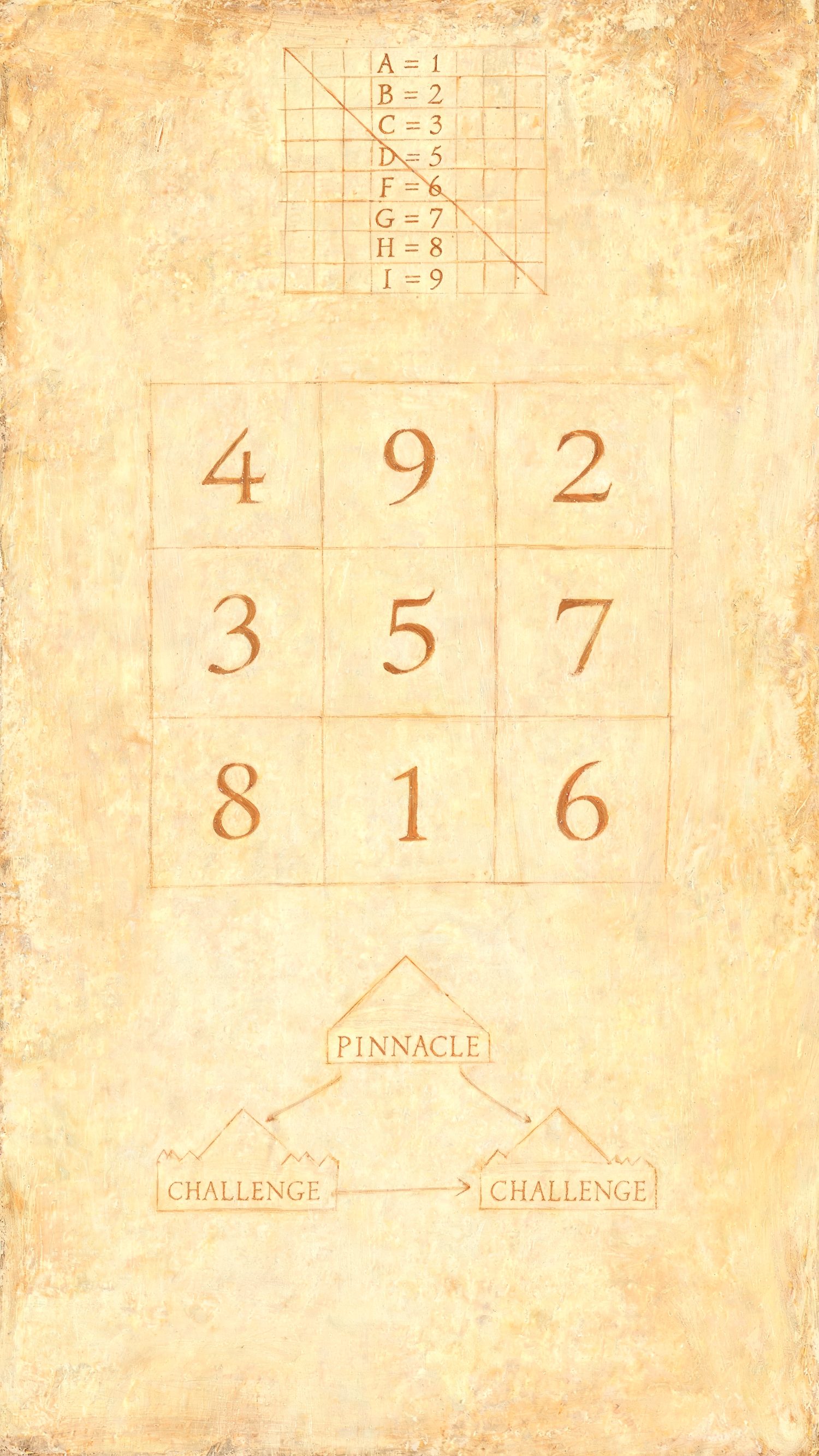
 Your Birthday number is a 9, the humanitarian and the old soul, the figure with the feel of having been here before. A 9 finishes what other people only start, gives widely, and belongs a little to everyone rather than wholly to any single person. Alongside it runs your Attitude number, a 7, the reflex you bring to a room before you have decided anything. It is the seeker who withdraws to examine, and who trusts a claim only after checking it alone. Your first life-stage carries a 7 as well, so the early years double this pull toward privacy and proof. When a choice matters you go behind a shut door and work it through by yourself, and the answer you give in the room is a draft while the true one arrives days later.
 The polarity here is yang, the outward and active face of Earth rather than the still, receiving one, and that pairing gives your steadiness a forward tilt. You do not simply sit with what is; you shape it. The difference is visible in a room. A yin-Earth person waits to be handed the material and then holds it beautifully, where you reach for the material and start arranging it before anyone has agreed on the plan. If you catch yourself already rearranging the furniture of a project that was only being discussed, that is the yang in your Earth, the builder's hand moving before the meeting is over.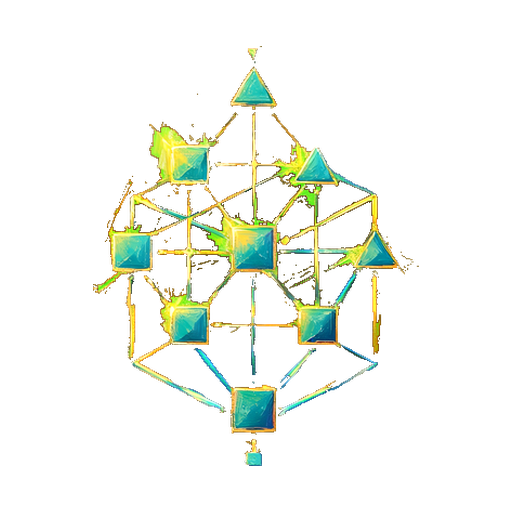
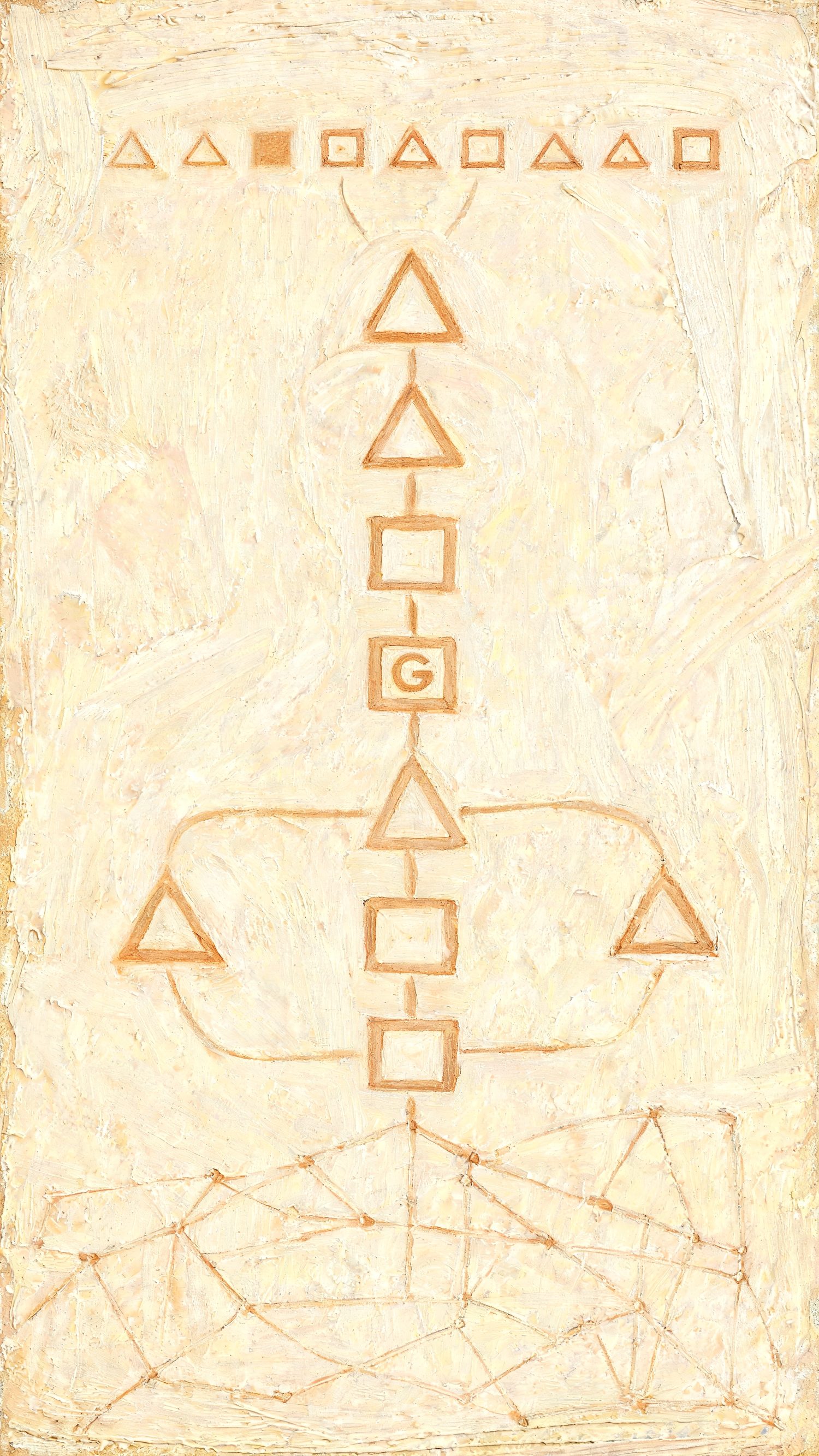
 Your Authority, the body's most reliable decision signal, is Emotional, seated in the Solar Plexus, and it means clarity arrives over days rather than in the moment. A thing that thrills you on Monday deserves a second look on Thursday, because the truth lives in the whole arc of the emotional wave, never in one crest. So the honest answer to any real offer is that you will know in a few days, and every fast yes given from a high has cost you something inside the month. Make the delay a policy rather than an apology: hear the offer, name the day you will answer, and let the wave finish crossing before you sign.
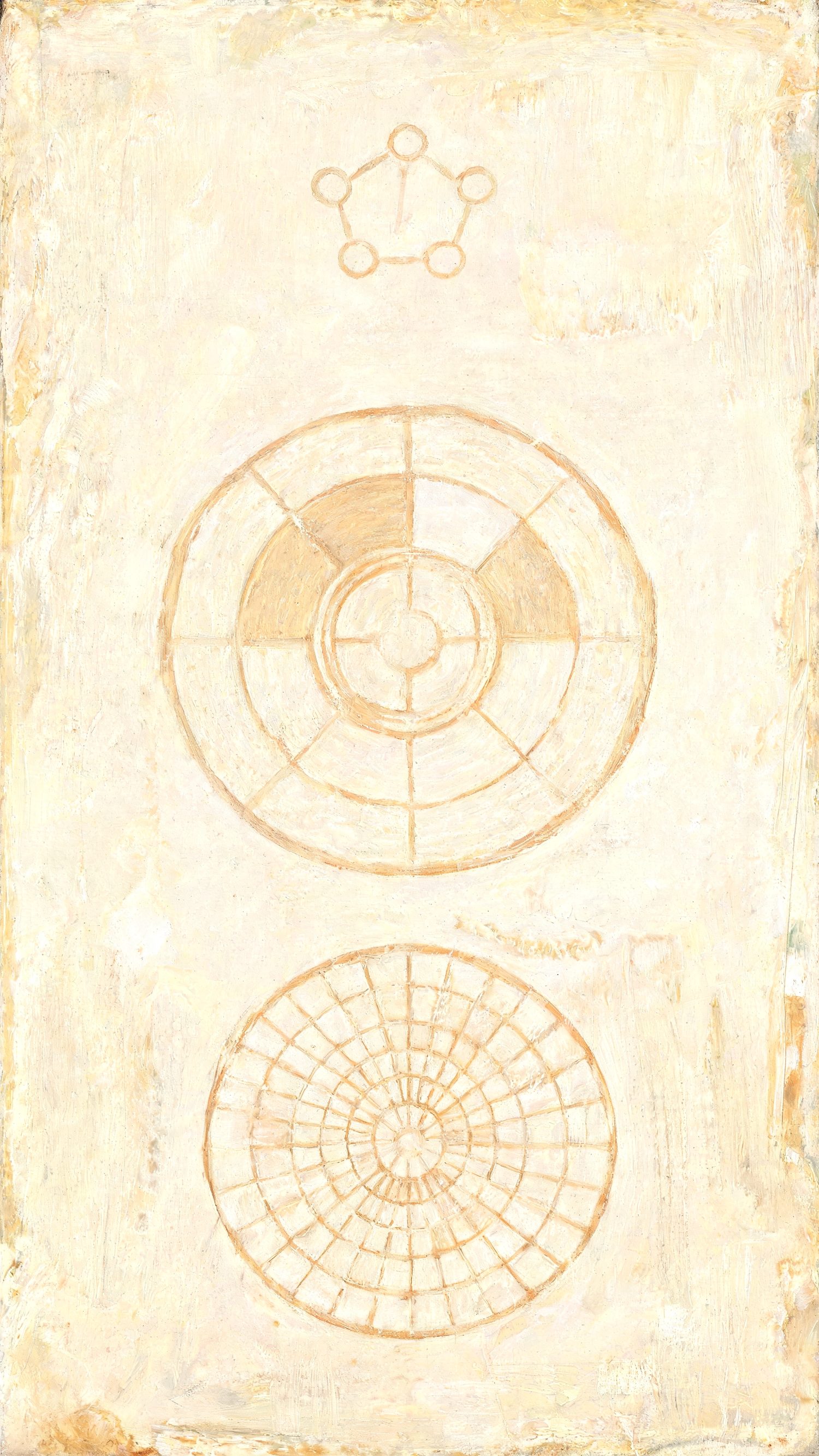
 Your Evolution key, gate 61 line 6, is called Mystery, and it names the thing that stretches you rather than the thing you do easily. The Shadow is a mind that cannot bear an open question and forces a premature answer; the Gift is the patience to hold not-knowing until real understanding surfaces. Paired with your Radiance key, gate 3 line 2, called Ordering, this is a clear pattern: you shine brightest when you take something genuinely chaotic and give it a first honest shape, slowly. You do not glow in the polished final moment. You glow in the middle, when the mess is still real and you are the one who says, let us start by sorting these into three piles.
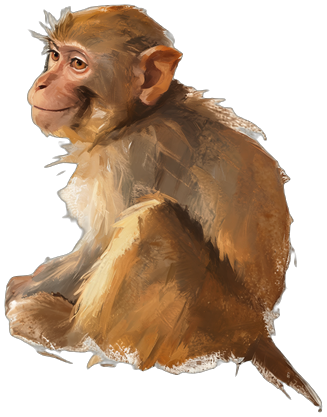 The Monkey year here sits on solid ground rather than air, an outward-facing steadiness the tradition marks as Yang Earth resting on a Yang Metal branch. The Earth gives your cleverness weight, so your improvisations tend to hold rather than scatter, and the Metal underneath gives them an edge, a willingness to cut cleanly when a thing must end. This is why your quick solutions are not merely quick; they are usable, and they last. You are not the trickster who leaves a mess for someone else to sweep. You solve, and the solution stays solved, and you move to the next room already thinking.
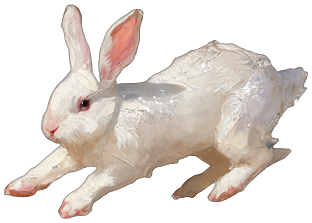 These three do not fight, which is your quiet luck. The Monkey and the Goat and the Rabbit all prefer cleverness and gentleness to force, so the public face and the private heart and the hidden self run in the same direction rather than tearing you between them. Your true allies are the trine of Dragon and Monkey and Rat, the bold, the quick, and the resourceful, and the Snake is your easy match, the one whose stillness completes your motion. The Tiger is your friction, too loud and too frontal for the sideways way you work, so where a Tiger insists on meeting a problem head on, step around, name the softer path aloud, and let your indirection do what their charge cannot.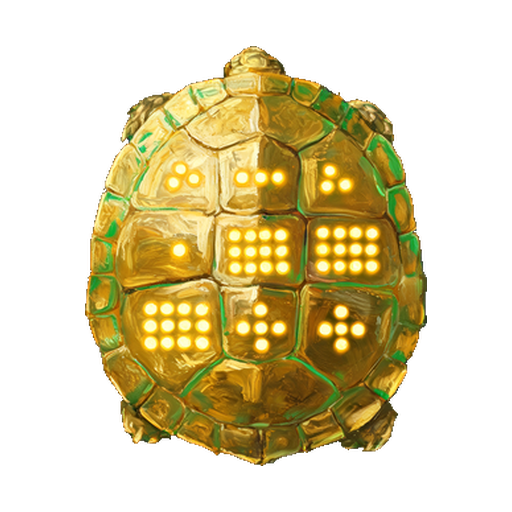
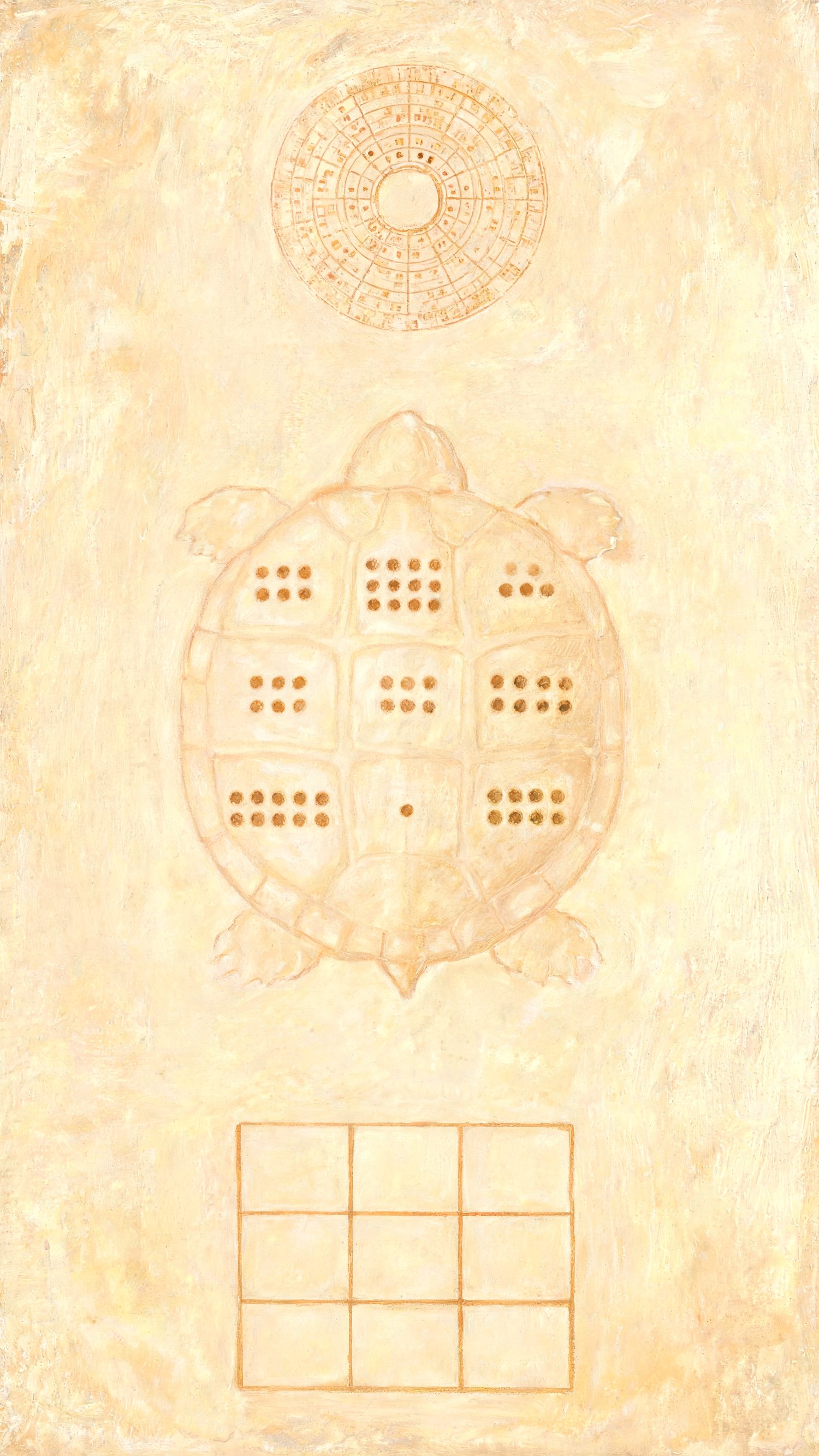
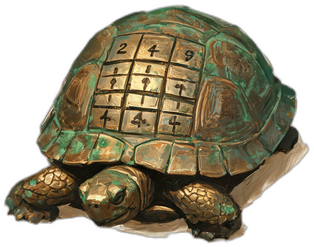 The Knowledge palace, the upper corner, is filled twice as well, and this is the other pole of your grid's strength. You do not accept a claim because someone confident said it; you want the mechanism, the source, the reason underneath. Doubled, this becomes a need rather than a taste, and it pairs with the doubled Career palace to make a person who wants both to understand a thing and to build a life on the understanding. The single filling of the Fame palace, the top cell, gives you a real wish to be seen for the work, but a wish that is quieter than the wanting to do it well.
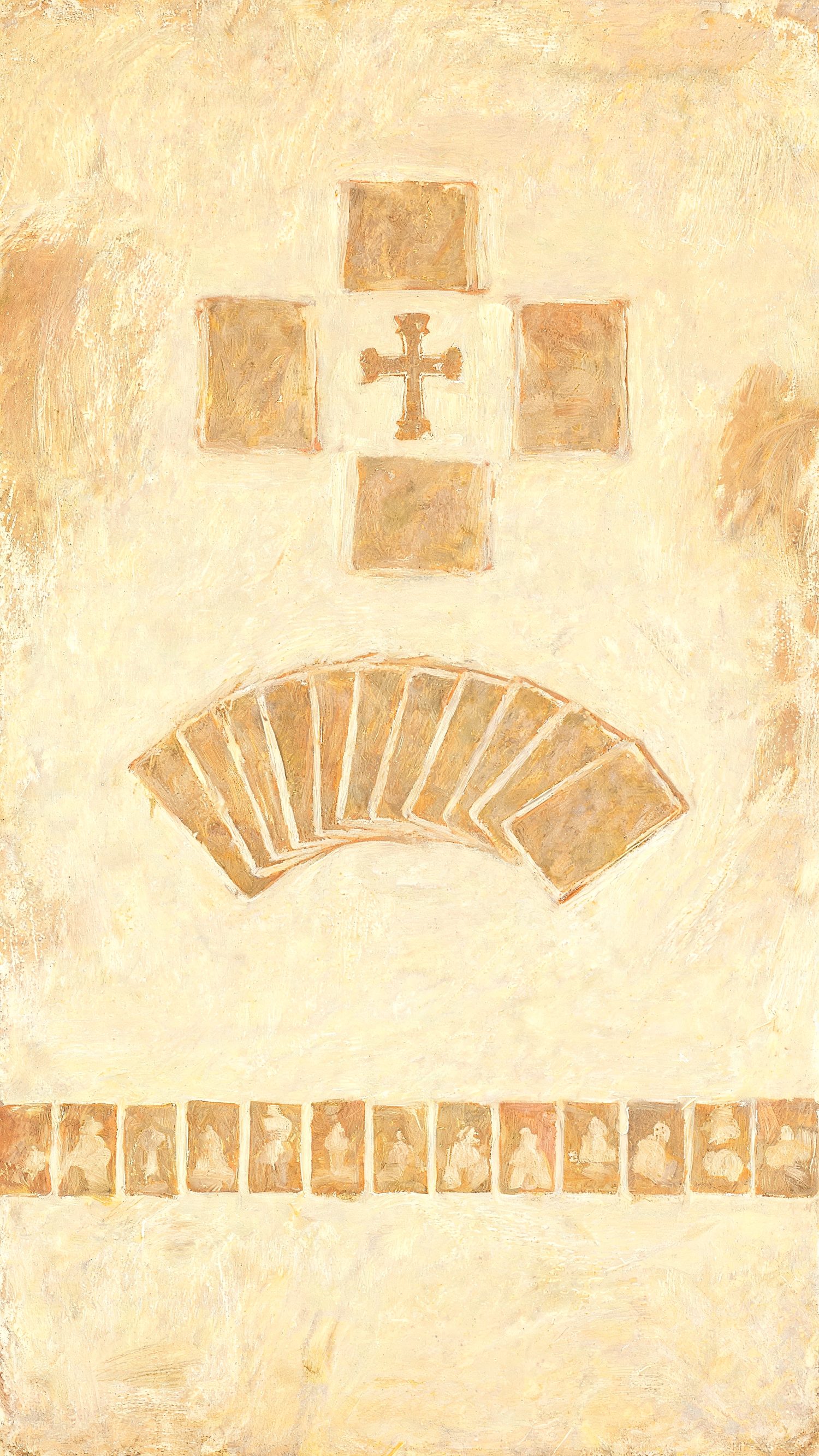
 As your Personality card, the public instrument, the World asks you to embody completeness in the room. You are the person others bring the half-finished thing to, because you can see the whole of it before they can. When a project sprawls across six people and no one can say what it actually is anymore, you are the one who names the shape it has been trying to take, and the room exhales. This is not tidiness. It is a wider frame of vision than most people run, and you have been doing it so long you forget it is unusual to see the finished picture inside the mess.
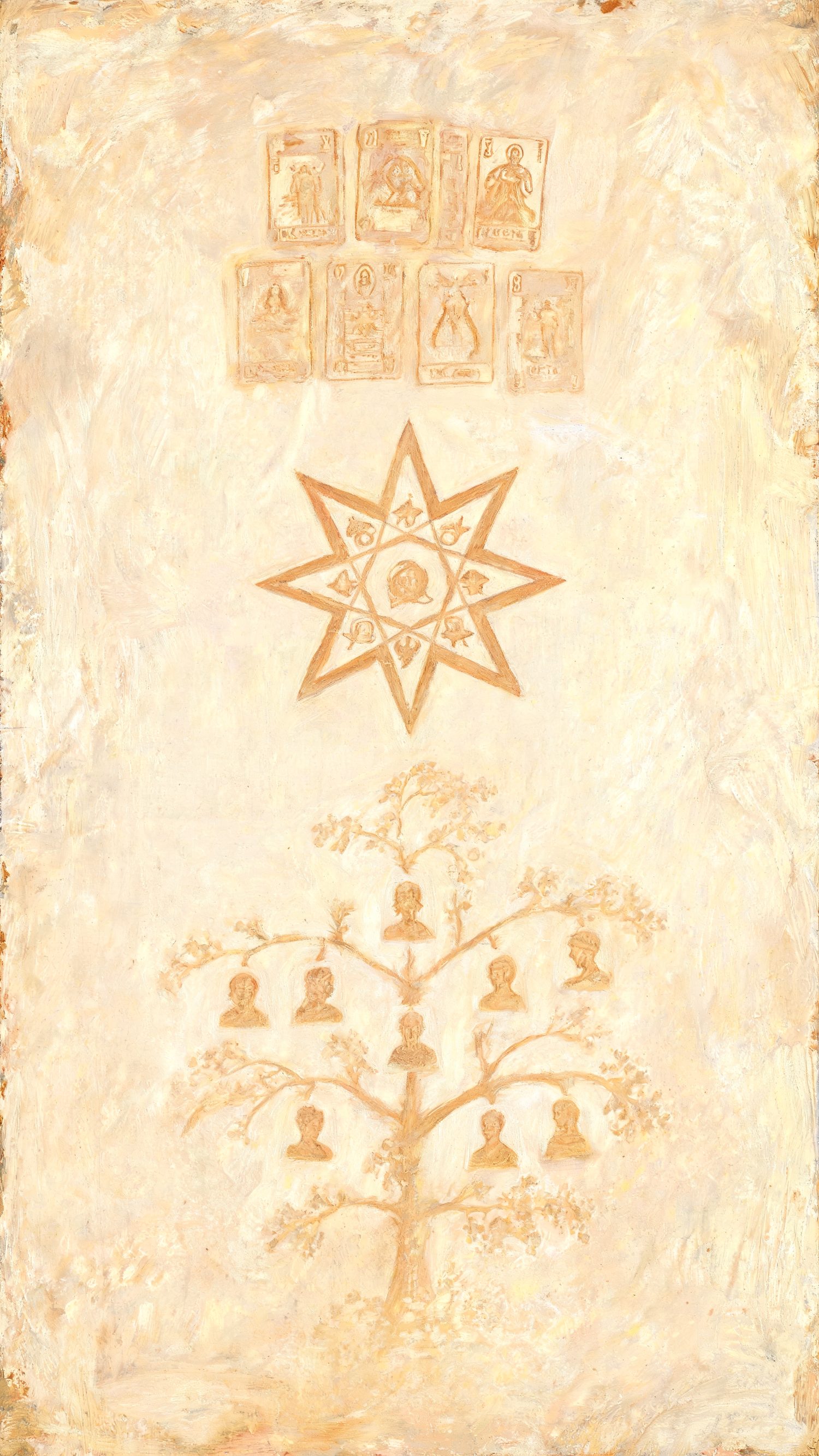
 The Chariot sits at your root, the month point that governs the resources you were handed to begin with. It gives you drive with a harness on it, forward motion that you steer rather than let run. Your paternal line reads as the Priestess, a current of held knowledge and deliberate silence, so the men before you kept counsel more than they gave it, and you inherited the instinct to know a thing long before you say it. Your karmic tail, the pattern you arrived already carrying, is the Hierophant, the teacher and the rule-keeper. You came in fluent in structure, respectful of the proven way, and part of your work is learning when the old rule no longer fits the new room.
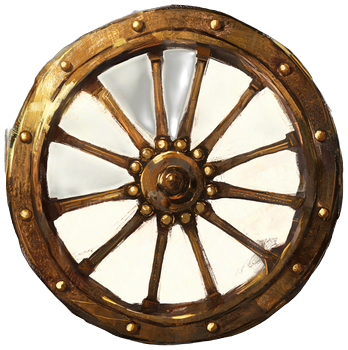 Your Soul point, the deepest given talent, is the Lovers, and it is not chiefly about romance. It is the gift of true choosing, of standing at the fork and picking one path with your whole self rather than hedging. Your tell is the meeting where everyone wants to keep options open and you say the uncomfortable clarifying thing, forcing the decision nobody else would make. Read together, these points say a Moon-faced woman with the Wheel at her core is asked to release her grip on outcomes, to give before she gets, and to choose cleanly; this octogram of the Major Arcana, the Russian matrix that folds your birth date into twenty-two figures, keeps drawing that one arc for you, and the Systems page carries how the folding is done.
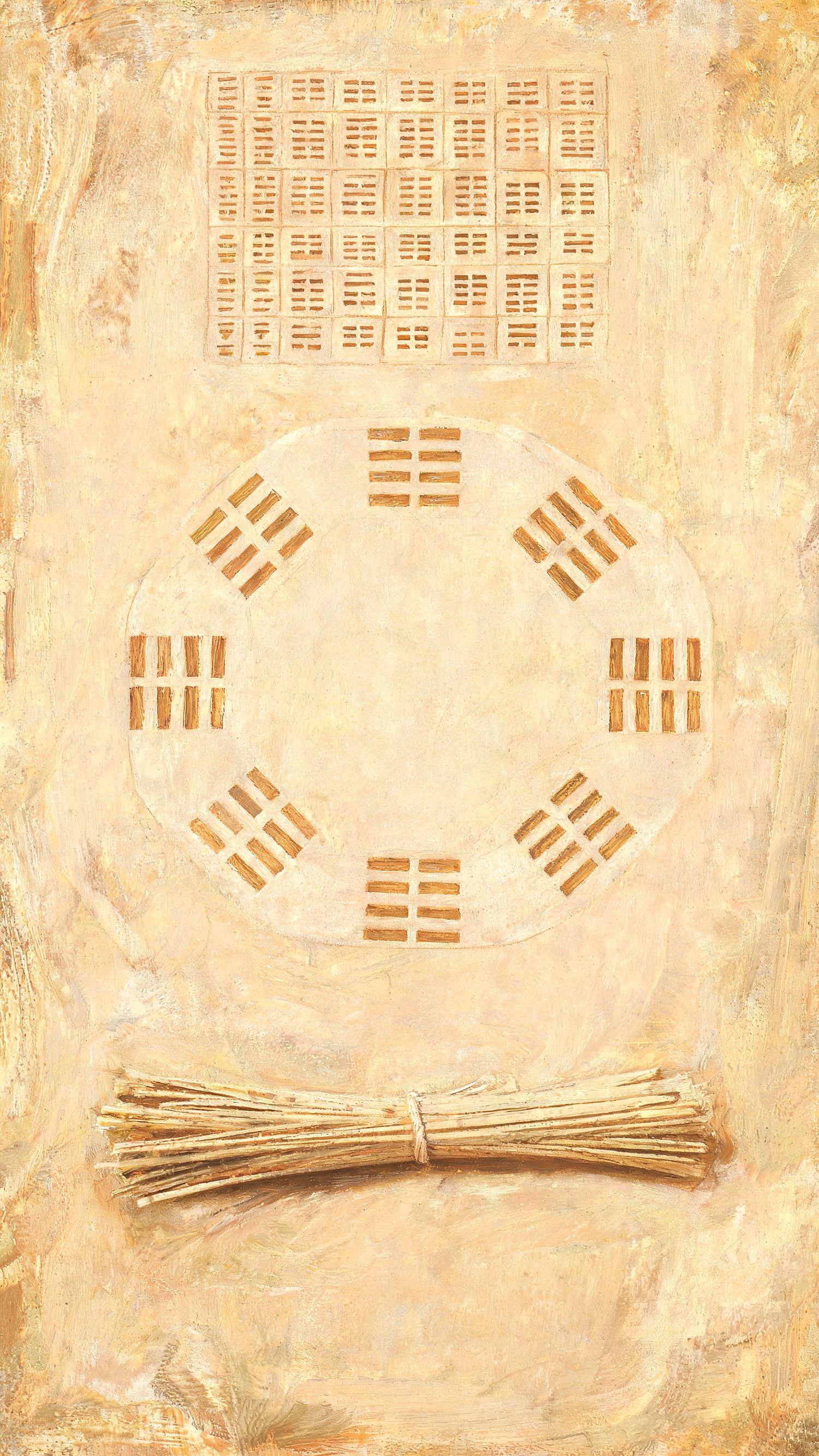
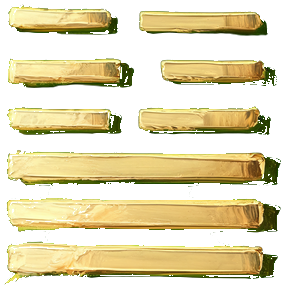 Look at how the lines stack and you find your working method. The bottom three lines are all firm and solid, the top three all open and soft, so your foundation is muscular and your surface is porous. In practice this means you drive hard from underneath and receive gently on top, letting force do its work quietly while your visible manner stays welcoming. The old reading of these lines is a plant whose roots pull up the same reed and bring its neighbours with it; when you commit to a direction, people come along, because your certainty is planted below the waterline and only the invitation shows above it.
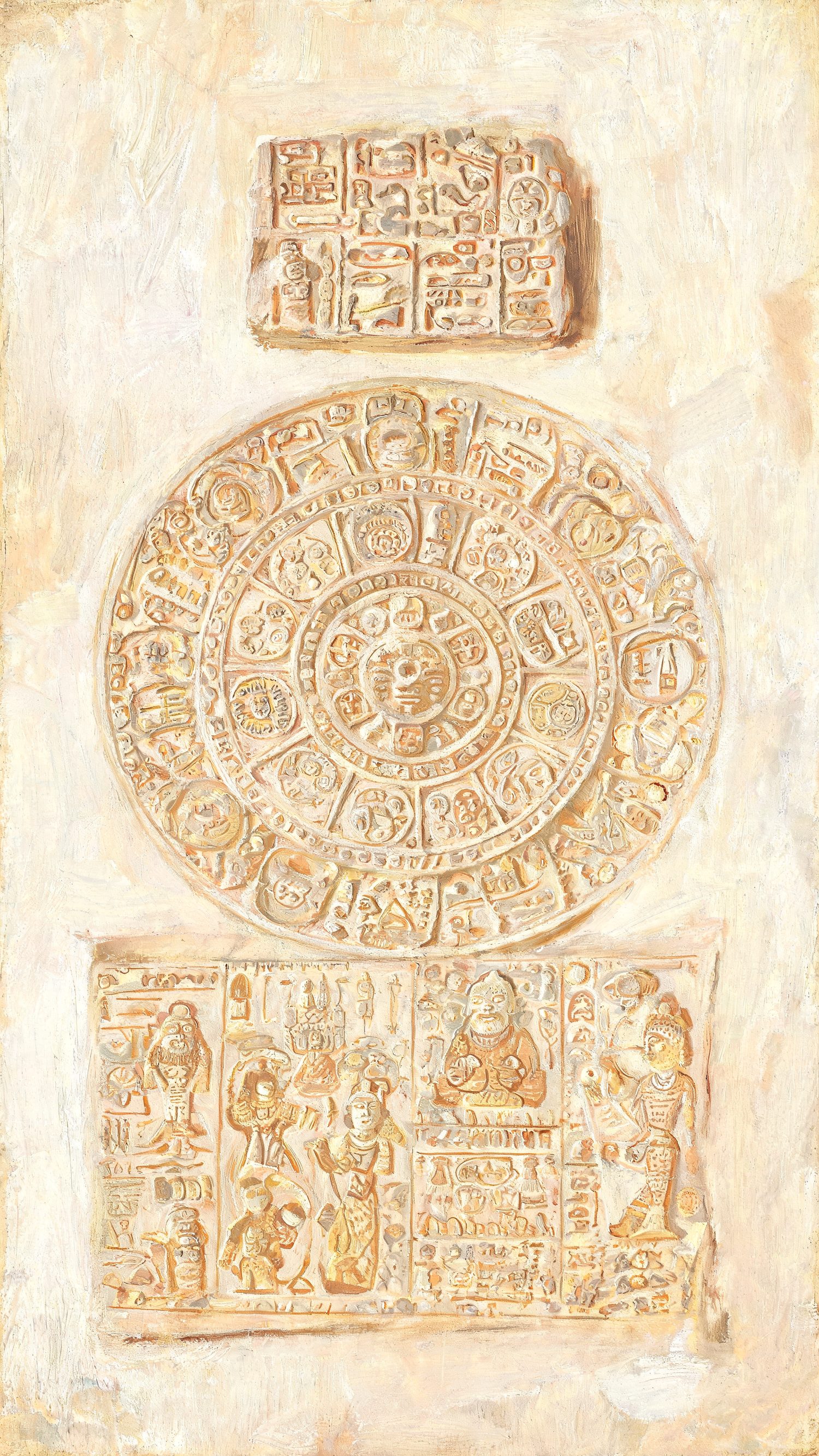
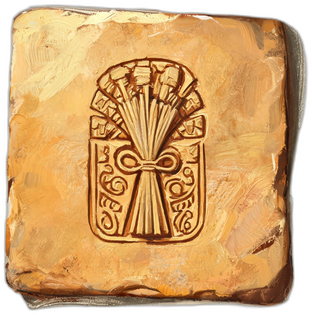 The Reed is upright by nature, a stalk that grows toward the light and holds its shape in wind, and paired with the opening beat it makes you the one who names the standard nobody else wanted to name. When a group is drifting, you are the one who says out loud what the group is actually for, and you hold the room to it after everyone else has softened. This is the standing that the Reed grants: a spine that reads as leadership to the people it serves and as stubbornness to the people it corrects. You have been called both, often by the same person, in the same month.
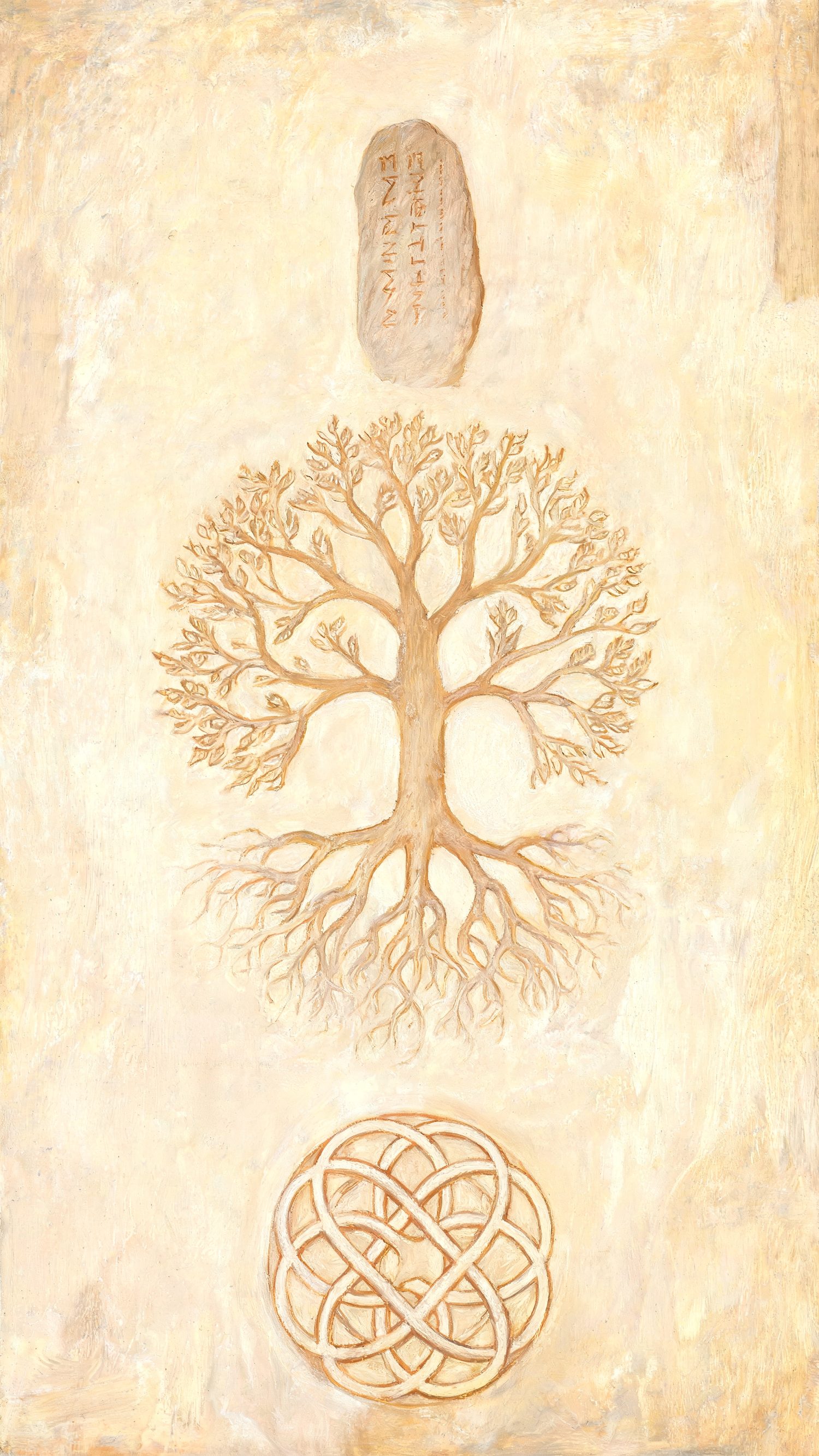
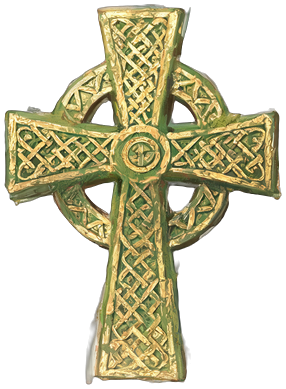 Tinne, the Ogham letter for Holly, is cut as three clean notches across the wood, and the tree carried a reputation among the old chariot-makers for the hardness of its timber, wood that resists the blade. That hardness is yours too, but it is defensive rather than aggressive. You do not go looking for the fight; you become immovable once something you value is threatened. A friend borrows against your trust and breaks it, and you do not shout. You simply close a door that stays closed, quietly and for good, and the person is often startled to find how final it is.
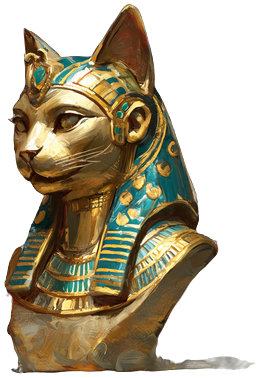
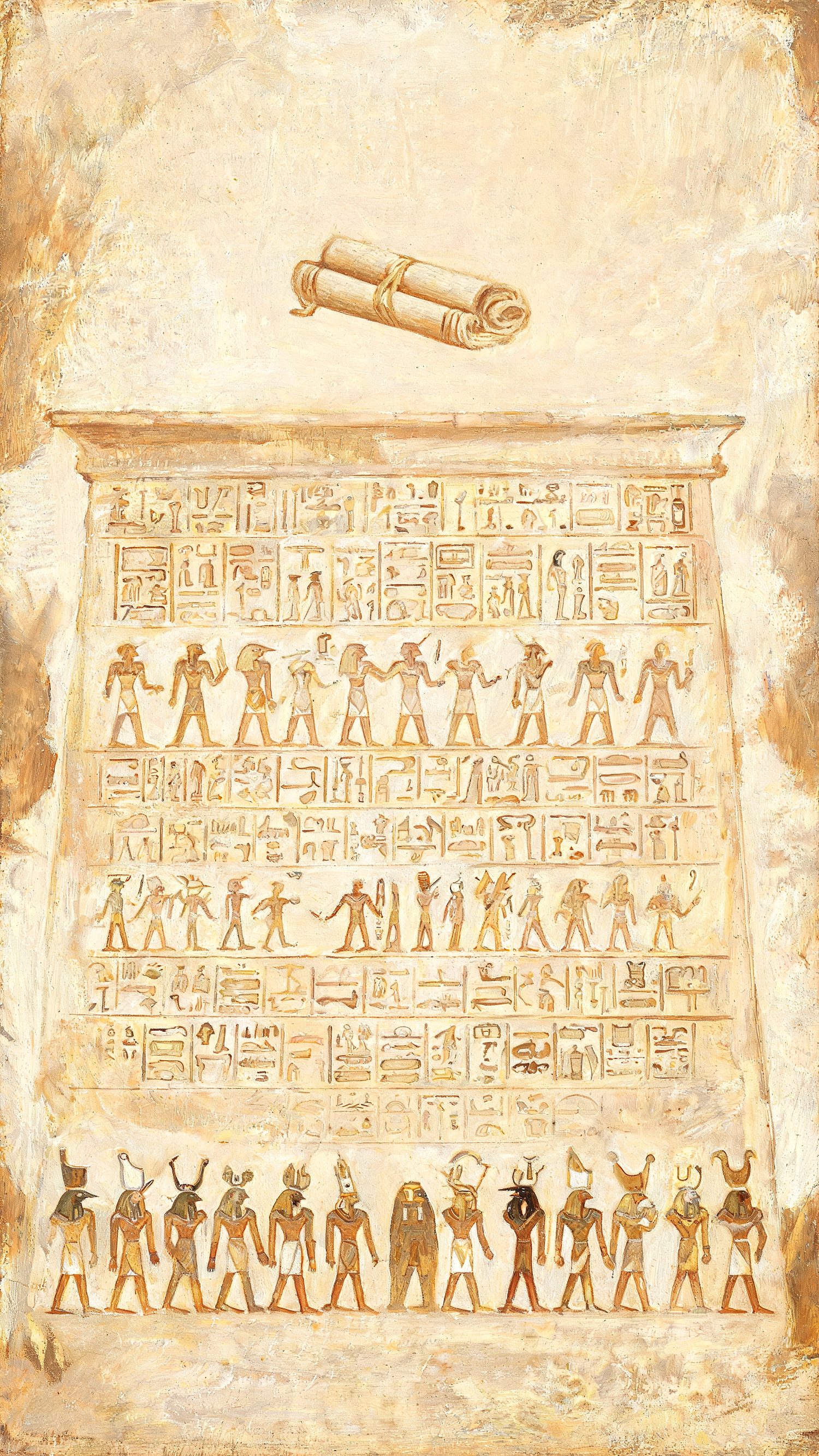

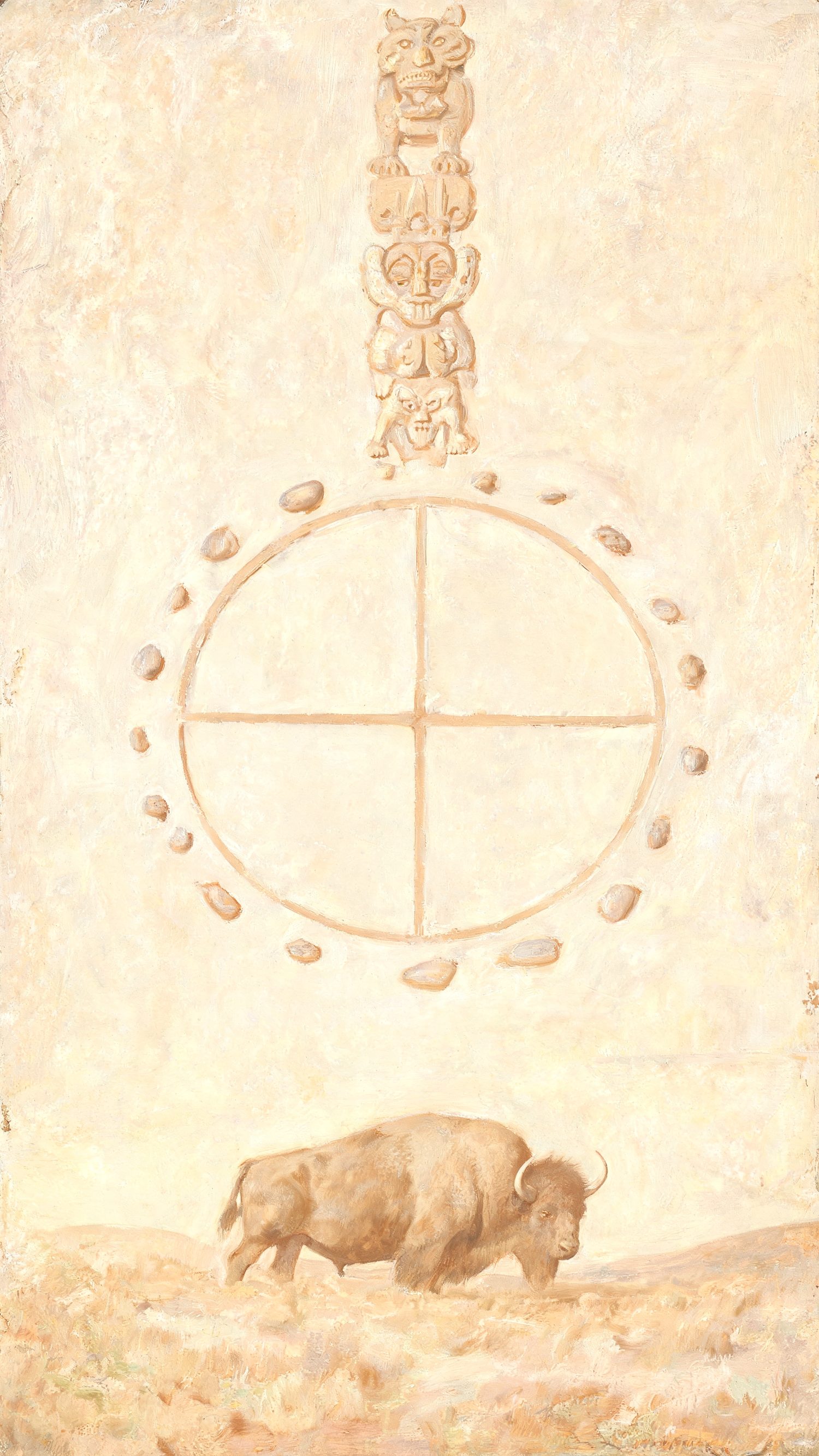

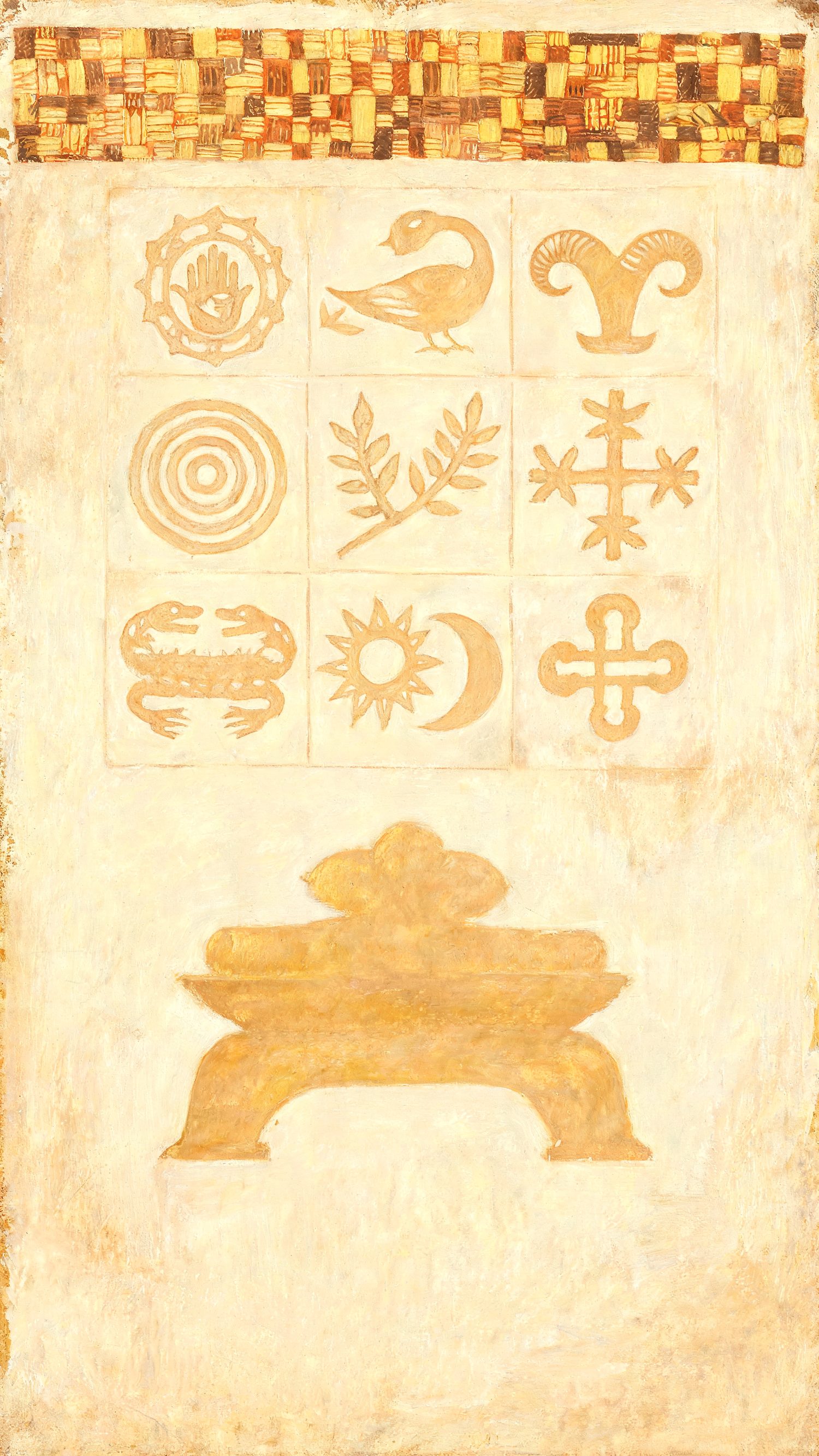
 The earth this day hands you has hard ground in it, stone under the topsoil rather than the soft loam of gardens. That is why the tradition reads Yaa as bold, and reads her at warrior strength: she is the ground that pushes back. You have felt this in the way you become immovable at exactly the moment others expected you to fold. When a decision has already gone through you and settled, argument does not move it; people who mistake your patience for softness discover the stone late, and they remember it. You do not raise your voice to hold a line. You simply do not step off it.
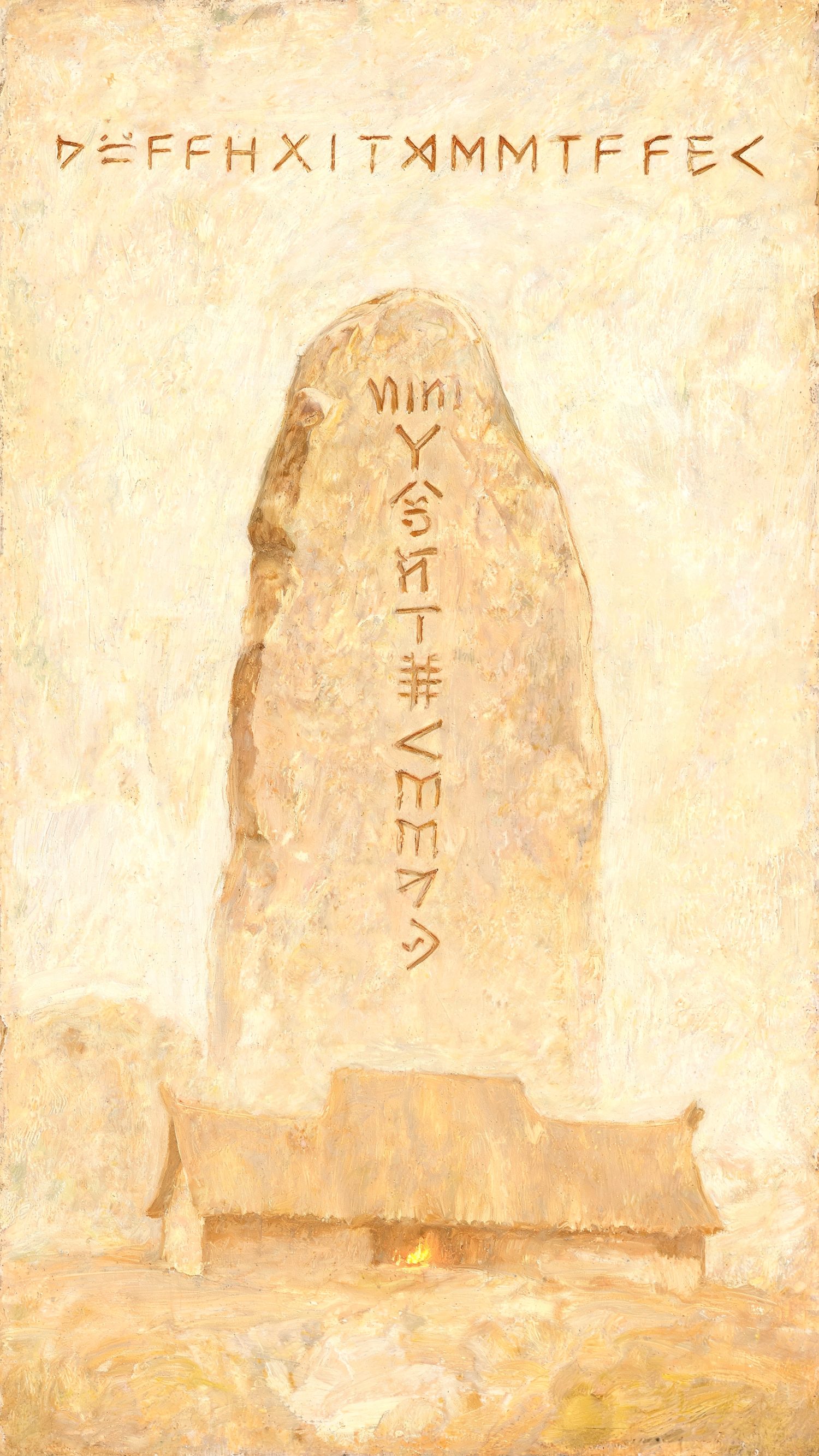
 The half-month that Uruz governs, the roughly fifteen-day span from the fourteenth to the twenty-eighth of July, sits inside Freya's Aett, the first of the three groups of eight runes, the group that holds the material origins, fertility, and the first raw powers of the world. Your element here is earth, and everything about the way you hold yourself confirms it. You gather weight before you act. You want the thing to be real, to have mass and substance, before you commit to it. Promises made lightly leave you cold; you trust what can be built, weighed, and returned to tomorrow morning.
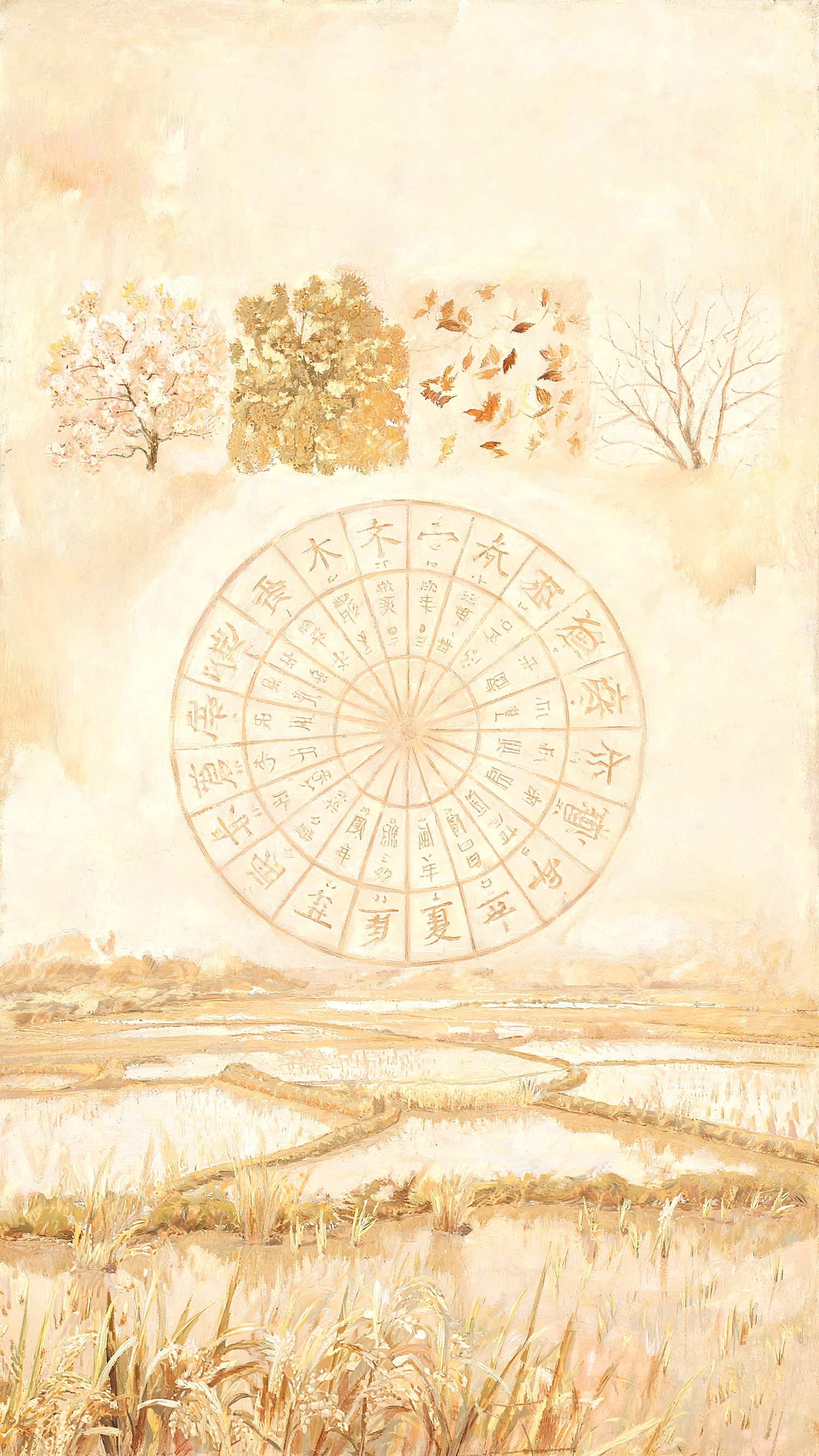
 The season's governing force is Fire, but Minor Heat carries Fire in its patient register, the warmth of a full field ripening rather than the flash of a strike. That distinction lives in you. You are drawn toward visibility and you are good at being seen, yet you rarely reach for the sudden gesture; you would rather let the heat accumulate until the result is undeniable. The season's slow tempo tempers its brightness, so where another might sprint to be noticed, you build a warmth that lasts past the day it was earned.
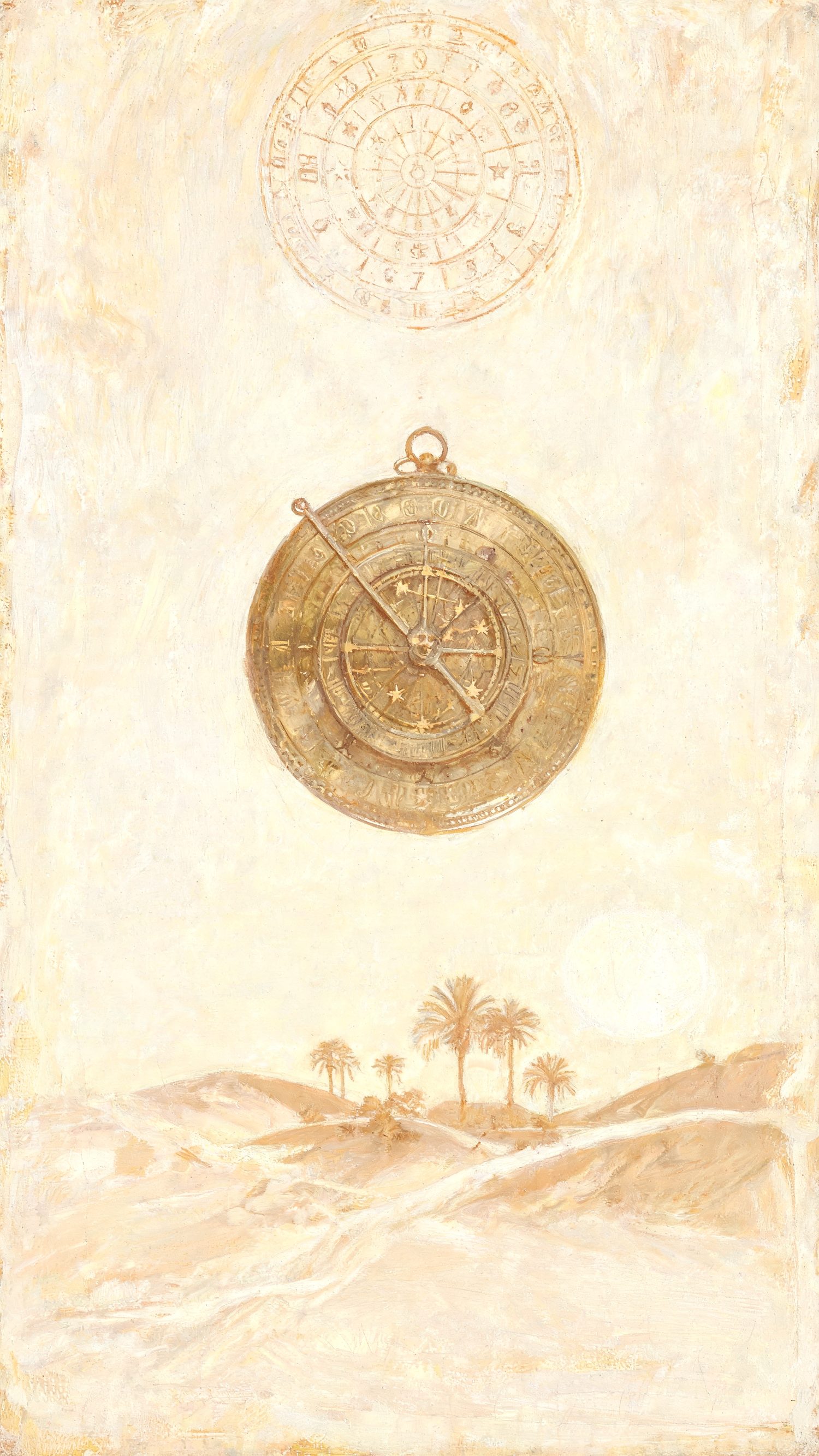
 Two forces sharpen the lodge. Its animal is the cockerel, the bird that calls the morning before anyone asks it to, and its element is fire, the kindling that turns fuel into heat. Together they say you announce things. You are often the first voice in a quiet room, the one who names the day's shape while others are still stirring, and the naming itself gets people moving. The ruling force here is Mars, the planet of push, which means your gathering is never passive collecting. You pull things together in order to set them alight, and the heat you make is deliberate, aimed, and warmer for having been aimed.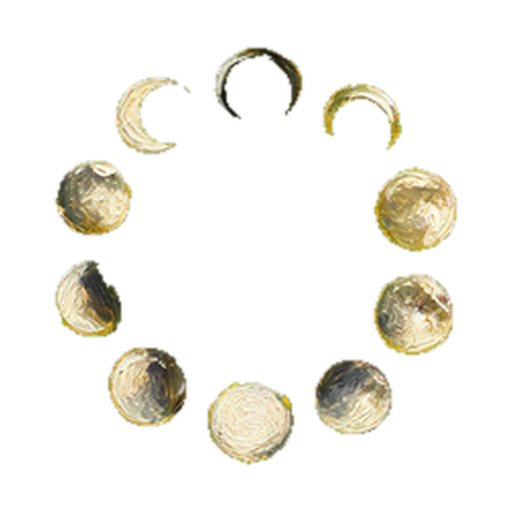
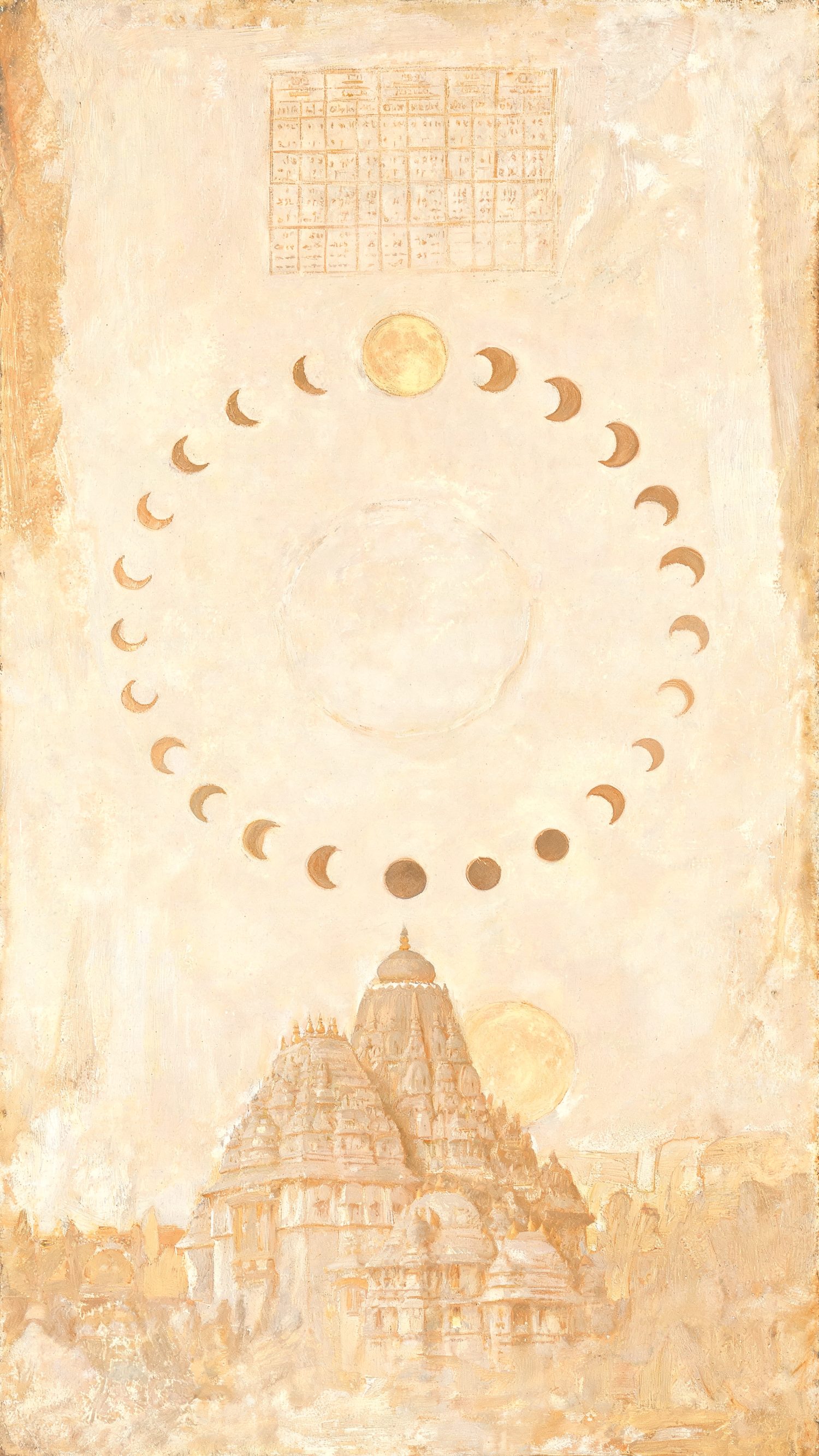
 The ninth step of any fifteen-step half is a hinge, past the middle and turning toward the end, and Navami carries the character of consolidation under pressure. This night belongs traditionally to fierce, protective force, the kind that shows up to defend and to finish rather than to open. In you it lands as a low, durable heat. You do not flare and fade; you hold a temperature. The waning half sharpens this further, because a shrinking moon favours release, cutting, and completion over accumulation, so your instinct is to close loops, clear the field, and let go of what has served its turn.