Modern Science is the youngest of all the traditions read here, and the only one that asks for its own claims to be checked. It measures populations, so every figure below is a likelihood observed across many people, never a verdict on one person. The findings that follow were chosen because the temperament this reading computes for you runs a certain way. Each hypothesis below states a trait plainly, shows the published evidence with its numbers, names the confidence the record has earned, and then notes where another tradition in this reading reached the same trait by its own route.
Hypothesis one: you step toward the front of a group rather than waiting to be sent there. The widest evidence is a meta-analysis of 222 correlations from 73 independent samples, where the broad personality traits together correlated .48 with leadership [3]. Outgoing assertiveness was the strongest predictor at .31, conscientiousness followed at .28, and the pattern held across business, government, military, and student settings [3]. A reanalysis of decades of small-group studies adds that intelligence and dominance reliably predict who observers perceive as a leader, because onlookers match each person against a stored picture of one [5].
How the rank is taken matters as much as whether it arrives. Peer studies separate two workable routes: dominance takes position through assertive pressure, prestige earns it through skill freely respected, and each independently predicted real influence and even the visual attention other group members paid [2]. Prestige, in that work, travelled with genuine self-esteem, agreeableness, and conscientiousness [2]. Across 87 independent samples, the inspiring, vision-led way of leading carried a validity of .44 with effectiveness, ahead of leading by agreed rewards at .39 and far ahead of a hands-off style at -.37 [4]. The same synthesis keeps its caveat close: the two positive styles overlapped at a correlation of .80, near neighbours rather than rivals [4]. Confidence here is strong; these are landmark meta-analyses, replicated across many independent samples. Other traditions in this reading find the same trait from their own ground. Western astrology has the Lion, its sign of command, rising at your birth, and the Hellenistic branch, the Greek-era form of the art, sets its Lot of Victory, a calculated point standing for success, on that same rising point. The Akan custom of West Africa, which names each person for the weekday of birth, reads its Saturday-born as an ancient soul born to lead. Numerology counts your life path as the Builder, its figure for the one who raises lasting structures.
Hypothesis two: you want the work seen, and your first impression tends to land. Meeting strangers, people higher in confident self-regard were rated more likable and more popular within minutes, across three independent samples [10]. The warmth ran through groomed presentation, expansive body language, and a humorous verbal style rather than through the trait itself [10]. The same self-regard splits into two engines, an admiration route of charm and self-promotion that gets a person liked, and a rivalry route of devaluing others that breeds conflict, opposite social fates growing from one root [11].
The caveats stay pinned where they belong. A meta-analysis across dozens of samples found a small positive tie between this self-assured style and emerging as a leader [12]. Its tie to leading well was curved instead, an inverted U, so a moderate dose outperformed both the very low and the very high [12]. Interest in prominence itself sorts into three rising levels, from light entertainment interest through intense personal attachment to an over-identified extreme, and the intense levels are the ones that track poorer adjustment [13]. Confidence is strong on the structure and deliberately hedged on the dose. Two other counts describe the same figure. The Mayan sacred calendar, the day-count of ancient Mexico, gives your birth the day-sign Ahau, a word meaning lord and sun. The destiny matrix, a modern count that lays tarot figures over a birth date, seats the Emperor, its card of visible authority, in three positions at once. Both name a person built for a visible seat, and the studies above add that the seat rewards a light grip.
Hypothesis three: you hold up under strain, and the durable part of you is measurable. Dispositional resilience is a real, separable trait, distinct from hardiness and from good support alone [6]. The scale built to measure it held together at an internal consistency of .89 in a general sample of 577 people, and sorted into five facets, among them tenacity, tolerance of hard feeling, and acceptance of change [6]. A companion trait, the settled sense that one's world is comprehensible, manageable, and meaningful, tracked better health across a systematic review, most consistently mental health [7]. Confidence in the durability is strong; both are landmark instruments with wide replication behind them.
The growth story earns a smaller claim than the culture makes for it. The most careful prospective synthesis pooled 364 effect sizes from 154 longitudinal samples, 98,436 people in all [8]. It found genuine growth after major life events for self-esteem, close relationships, and mastery, with no verified growth in meaning or spirituality, and no sign that painful events grow a person more than good ones do [8]. What people report afterward still sorts into five distinct domains, from personal strength to appreciation of life, a structure confirmed in 926 adults and widely replicated since [9]. So keep the durable claim firmly and hold the redemptive one loosely. The Chinese four-pillar count, which casts a birth as four paired characters of element and animal, reads you as daylight fire born in the heart of winter, a warmth that keeps itself lit where little was given. The runic calendar, which assigns each half-month a letter of the old Germanic alphabet, gives your days Jera, the sign of the harvest that comes by its own slow turning. Both name an endurance that works in seasons rather than in surges.
Hypothesis four: your engine runs on motives inside the work, and it keeps running only when recovery is real. A meta-analysis spanning 40 years, 183 studies, and 212,468 people found motivation from inside the task predicted performance at correlations of .21 to .45, strongest for the quality of the work rather than its quantity [18]. Burnout and engagement are distinct states rather than one scale's two ends, sharing only 10 to 25 percent of their variance across four samples of 1,698 workers; demands drive the first, resources feed the second [1]. Burnout itself keeps a stable structure of three parts, exhaustion, cynicism, and a shrinking sense of accomplishment, replicated across occupations internationally [17].
The protections are measured as carefully as the strain. Across 316 samples and 99,329 working adults, psychological detachment, the true switching off after hours, was the strongest of the four recovery experiences at buffering exhaustion [16]. Support from colleagues pulls on the same lever, correlated with the exhaustion component at a corrected -.26 [15]. Pacing is measurable too: the standard inventory sorts time orientation into five reliable factors, with internal consistencies near .74 to .80 [14]. Its makers propose that an even, flexible balance across the five, rather than one dominant orientation, is the healthiest arrangement [14]. Confidence across this cluster is strong, most of it landmark and replicated. Human design, a modern chart of how a person's engine runs and rests, reads you as a Generator, made to respond to what calls it and then to rest when it has answered. The I Ching, the Chinese book of changes, casts your birth as Contemplation, wind moving over earth, the watcher who acts after seeing. The section ends where it opened: every figure here is a tendency across a population, and what it means in one life is yours to check against your own record.
[1] Schaufeli, W. B., & Bakker, A. B. (2004). Job demands, job resources, and their relationship with burnout and engagement: A multi-sample study. Journal of Organizational Behavior, 25(3), 293-315.
[2] Cheng, J. T., Tracy, J. L., Foulsham, T., Kingstone, A., & Henrich, J. (2013). Two ways to the top: Evidence that dominance and prestige are distinct yet viable avenues to social rank and influence. Journal of Personality and Social Psychology, 104(1), 103-125.
[3] Judge, T. A., Bono, J. E., Ilies, R., & Gerhardt, M. W. (2002). Personality and leadership: A qualitative and quantitative review. Journal of Applied Psychology, 87(4), 765-780.
[4] Judge, T. A., & Piccolo, R. F. (2004). Transformational and transactional leadership: A meta-analytic test of their relative validity. Journal of Applied Psychology, 89(5), 755-768.
[5] Lord, R. G., De Vader, C. L., & Alliger, G. M. (1986). A meta-analysis of the relation between personality traits and leadership perceptions: An application of validity generalization procedures. Journal of Applied Psychology, 71(3), 402-410.
[6] Connor, K. M., & Davidson, J. R. T. (2003). Development of a new resilience scale: The Connor-Davidson Resilience Scale (CD-RISC). Depression and Anxiety, 18(2), 76-82.
[7] Eriksson, M., & Lindström, B. (2006). Antonovsky's sense of coherence scale and the relation with health: A systematic review. Journal of Epidemiology and Community Health, 60(5), 376-381.
[8] Mangelsdorf, J., Eid, M., & Luhmann, M. (2019). Does growth require suffering? A systematic review and meta-analysis on genuine posttraumatic and postecstatic growth. Psychological Bulletin, 145(3), 302-338.
[9] Taku, K., Cann, A., Calhoun, L. G., & Tedeschi, R. G. (2008). The factor structure of the posttraumatic growth inventory: A comparison of five models using confirmatory factor analysis. Journal of Traumatic Stress, 21(2), 158-164.
[10] Back, M. D., Schmukle, S. C., & Egloff, B. (2010). Why are narcissists so charming at first sight? Decoding the narcissism-popularity link at zero acquaintance. Journal of Personality and Social Psychology, 98(1), 132-145.
[11] Back, M. D., Kufner, A. C. P., Dufner, M., Gerlach, T. M., Rauthmann, J. F., & Denissen, J. J. A. (2013). Narcissistic admiration and rivalry: Disentangling the bright and dark sides of narcissism. Journal of Personality and Social Psychology, 105(6), 1013-1037.
[12] Grijalva, E., Harms, P. D., Newman, D. A., Gaddis, B. H., & Fraley, R. C. (2015). Narcissism and leadership: A meta-analytic review of linear and nonlinear relationships. Personnel Psychology, 68(1), 1-47.
[13] McCutcheon, L. E., Lange, R., & Houran, J. (2002). Conceptualization and measurement of celebrity worship. British Journal of Psychology, 93(1), 67-87.
[14] Zimbardo, P. G., & Boyd, J. N. (1999). Putting time in perspective: A valid, reliable individual-differences metric. Journal of Personality and Social Psychology, 77(6), 1271-1288.
[15] Halbesleben, J. R. B. (2006). Sources of social support and burnout: A meta-analytic test of the conservation of resources model. Journal of Applied Psychology, 91(5), 1134-1145.
[16] Headrick, L., Newman, D. A., Park, Y. A., & Liang, Y. (2023). Recovery experiences for work and health outcomes: A meta-analysis and recovery-engagement-exhaustion model. Journal of Business and Psychology, 38, 1-32.
[17] Maslach, C., Schaufeli, W. B., & Leiter, M. P. (2001). Job burnout. Annual Review of Psychology, 52, 397-422.
[18] Cerasoli, C. P., Nicklin, J. M., & Ford, M. T. (2014). Intrinsic motivation and extrinsic incentives jointly predict performance: A 40-year meta-analysis. Psychological Bulletin, 140(4), 980-1008.










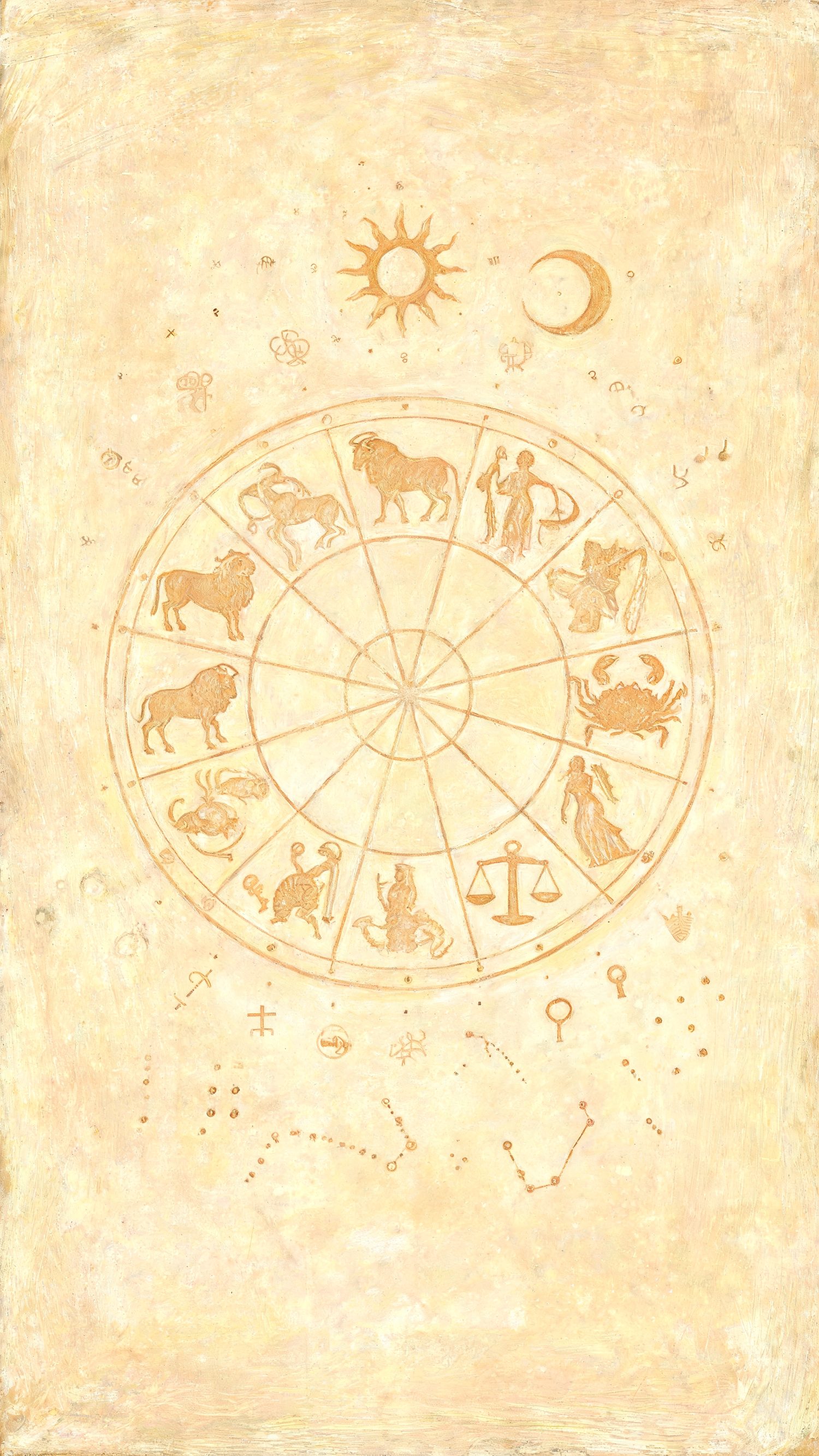
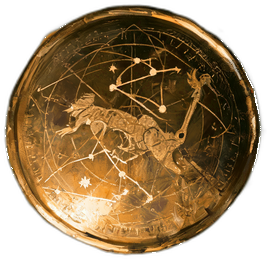 The Sun at 29°20′ Sagittarius is the chart's most charged degree. Twenty-nine degrees of any sign is what traditional astrologers call the anaretic or fated degree, the very last degree before the Sun would dissolve into the next sign at 0° Capricorn. This positioning means the solar identity carries the entire compressed wisdom of Sagittarius (the philosopher, the long-distance traveller, the truth-teller, the bow-archer aiming at far targets) and simultaneously stands at the threshold of Capricorn, already feeling the pull toward structure, mastery, and earthly results. People with anaretic Suns often describe themselves as finishing something they did not start. There is a karmic urgency to make the Sagittarian gift count before crossing into Capricornian responsibility. You belong to the cusp tradition known as the Cusp of Prophecy. Your meaning-making engine runs hot.
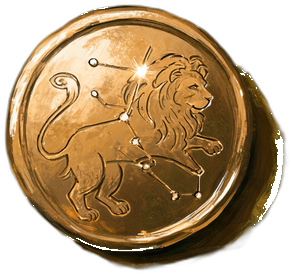 One fact sits beneath all of these placements and quietly re-weights them: you were born after dark. The old astrologers call this the chart's sect, the plain division between a day chart, with the Sun above the horizon at the moment of birth, and a night chart, with the Sun below it. Your Sun sits in the 5th house, beneath the eastern horizon, so yours is a night chart. Sect decides which lights the chart leans on. A day chart runs warm and outward and lets the Sun lead the reading; a night chart hands more of the weight to the Moon and the cooler, quieter lights, so the whole chart runs more inward, more nocturnal, more governed by what is felt than by what is shown. This is the older tradition's correction to the loud Leo entrance: the room meets the Sun, but the chart is run after dark, and the Virgo Moon keeping its careful count governs more than the daylight silhouette admits.
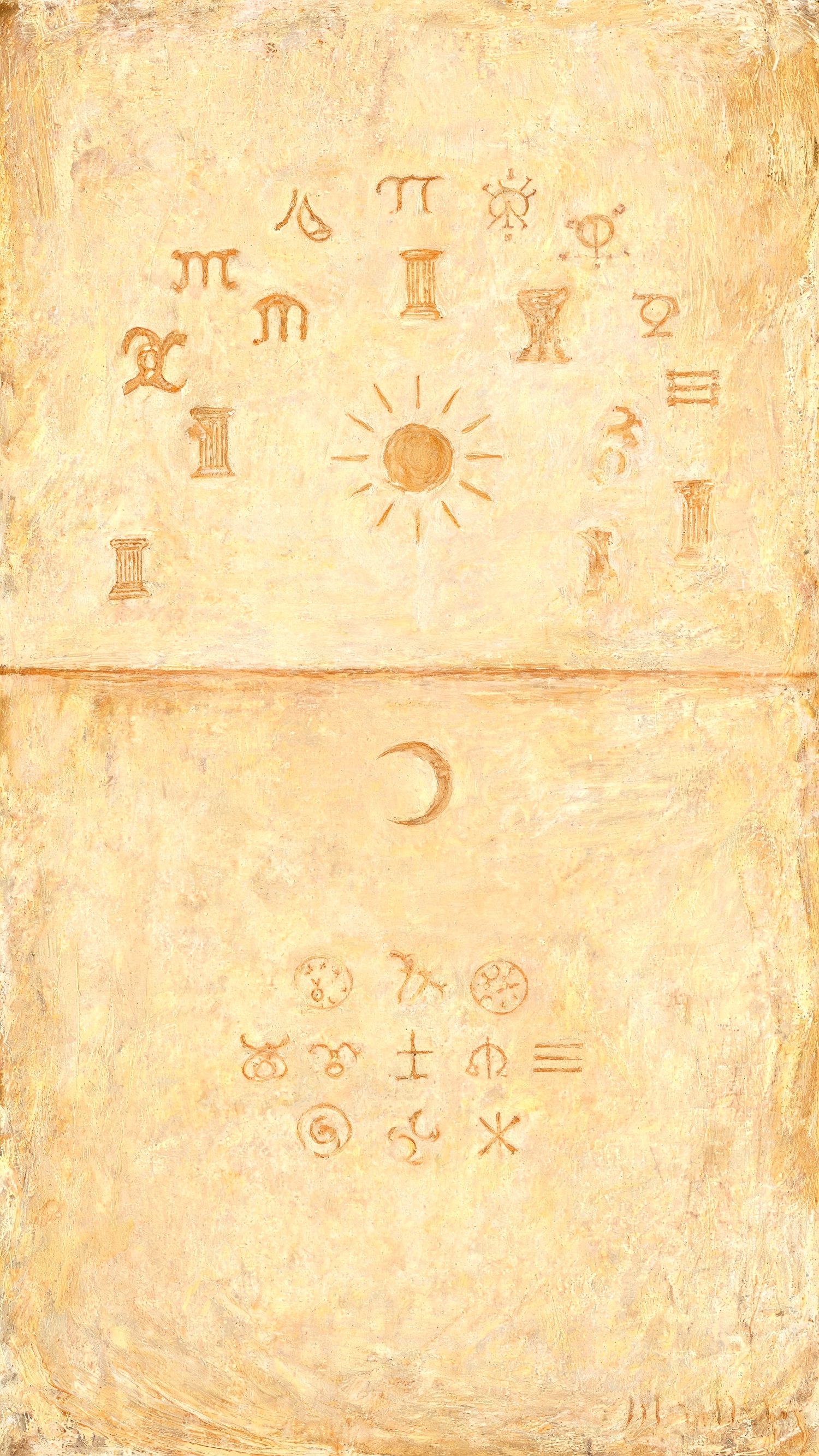
 Because the chart is nocturnal, Venus becomes your in-sect benefic, the planet to deliver actual gifts in this life. Venus in your chart sits in Aquarius in the 6th house, conjunct Mars, Uranus, and Neptune. The ancient interpretation: love, beauty, art, women, friendship, and aesthetic offerings flow toward you specifically through unconventional, electric, mystical channels and through your daily craft. Jupiter, your out-of-sect benefic, helps but with more friction; Jupiter has to work harder to deliver. Saturn, usually the great malefic, is in-sect for you and therefore relatively kinder than the textbook description suggests. Saturn's lessons land but they teach. Mars, the out-of-sect malefic, is the planet whose transits and configurations will sting most sharply. The mature antidote is to befriend Mars consciously, precisely because Mars falls outside its sect and stings the hardest: lift weights, do the hard thing, take the cold plunge, declare a desire out loud and chase it.
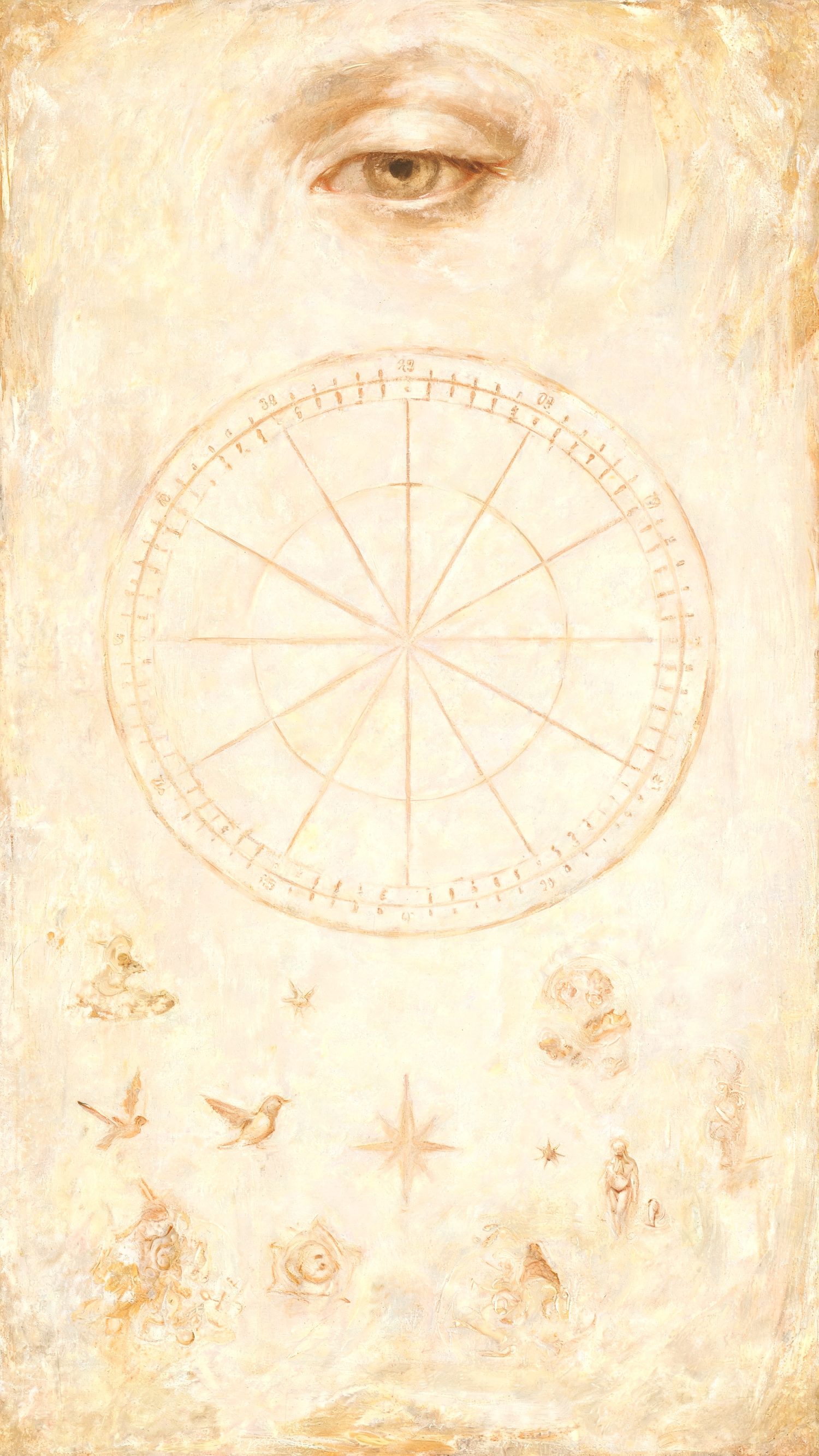
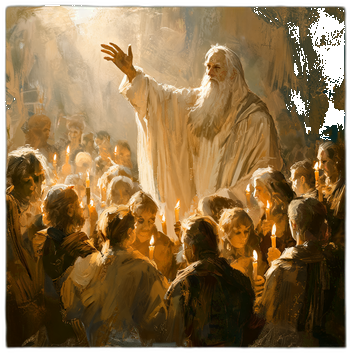 Your Sun's Sabian, the 30th degree of Sagittarius, The Pope blessing the faithful, is one of the more famous symbols in the canon. It is not, despite the imagery, about Catholicism. It points to the soul's role as a transmitter of grace to those who already believe, to the function of consecration, public benediction, and visible spiritual authority offered through whichever vessel currently holds collective trust. It says: in this lifetime your Sun is wired to take meaning that has been authenticated through rigour and broadcast it widely so others can be touched by it. The risk inside the symbol is dogma; the gift is becoming a person whose presence itself blesses what it lands on.
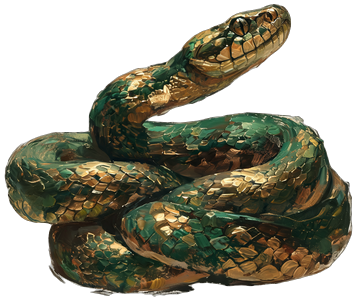 Your Lagna (Ascendant) is Cancer, in the nakshatra Ashlesha pada 3. Ashlesha is the serpent nakshatra, the constellation of the coiled snake of awareness. People with Ashlesha rising carry an almost uncanny ability to read between lines, to sense undercurrents in a room, to hold knowledge that has not been spoken out loud. The serpent is the symbol of kundalini, energy that lies coiled until activated. Ashlesha rising is also famously associated with mesmeric presence: the gaze that holds, the speech that hypnotises a little, the personal magnetism that comes from being able to track what the other person does not realise they are showing. The shadow of Ashlesha is over-attachment, possessiveness, manipulation through emotional knowing. The gift is wisdom-through-feeling. Pada 3 of Ashlesha falls in the Gemini navamsha, which sharpens the mind further: you observe, you pattern-match, you collect information about people. Lord Mercury rules this nakshatra. Your whole life is, in Vedic terms, governed by Budha, the planet of speech, intellect, and translation.
 Saturn in Pisces in Revati pada 1 is one of the gentlest possible Saturn placements. Revati is the final nakshatra of the zodiac, the nakshatra of safe arrival, of the ferryman bringing souls home. Saturn here teaches its lessons through tenderness rather than cruelty. Saturn in Revati natives often work in roles that involve carrying others through transitions: therapists, hospice workers, midwives, end-of-life doulas, gentle teachers, anyone whose vocation includes being the trustworthy hand at a threshold.
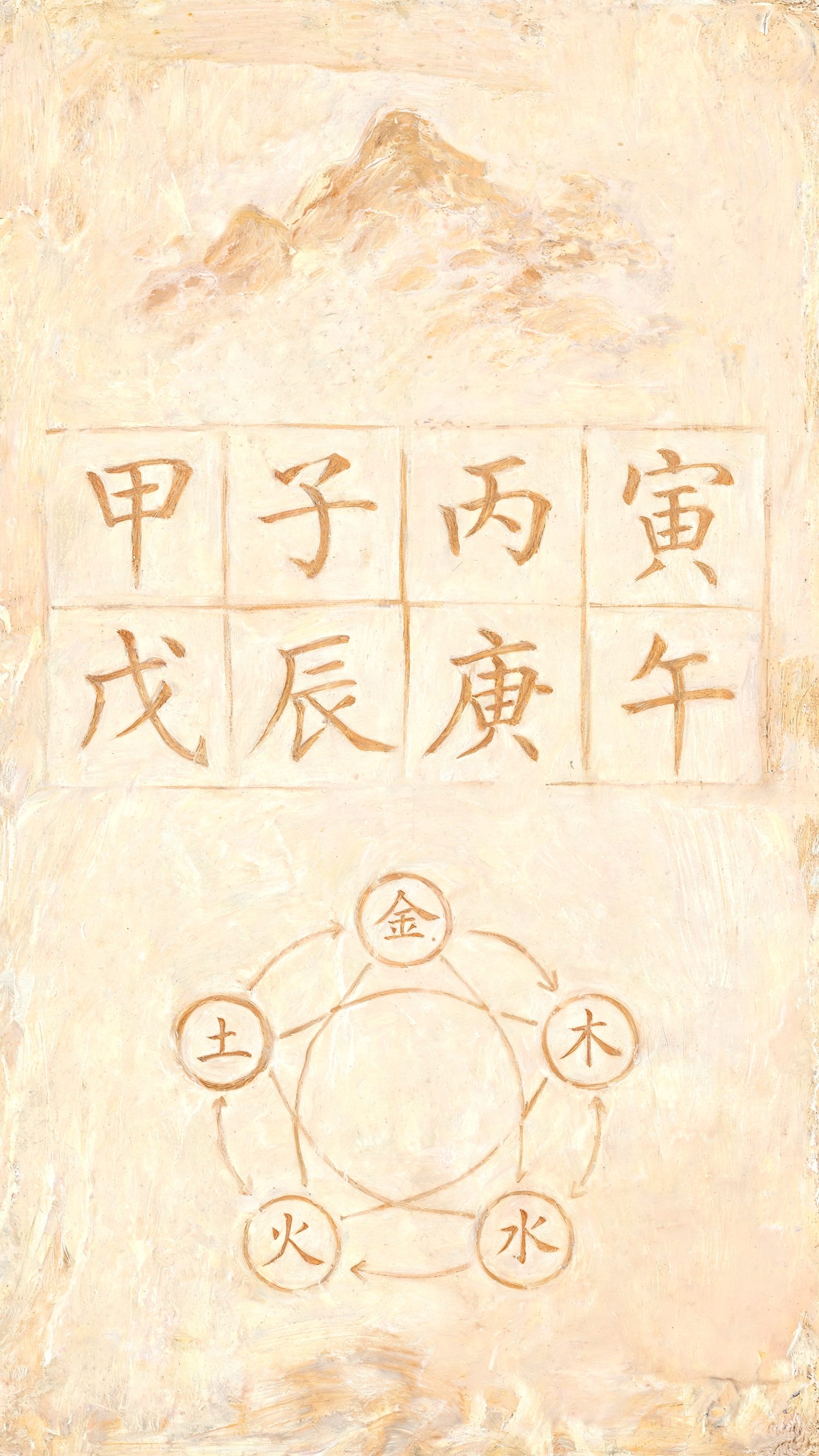
 But you, Bing, are born in the Zi (子, Rat) month, the deepest water month of the year, the heart of winter, the time when Yang Fire is at its WEAKEST. This is the central tension of your chart. A Bing Day Master born in Zi is a Sun in mid-December trying to warm a frozen field. The traditional name for this configuration is Sun shining over a frozen lake. The imagery is precise: you are radiant but the environment around you is icy, fluid, secretive, dark. You spend the early decades of life learning how to keep your fire lit when the surrounding forces want to put it out.
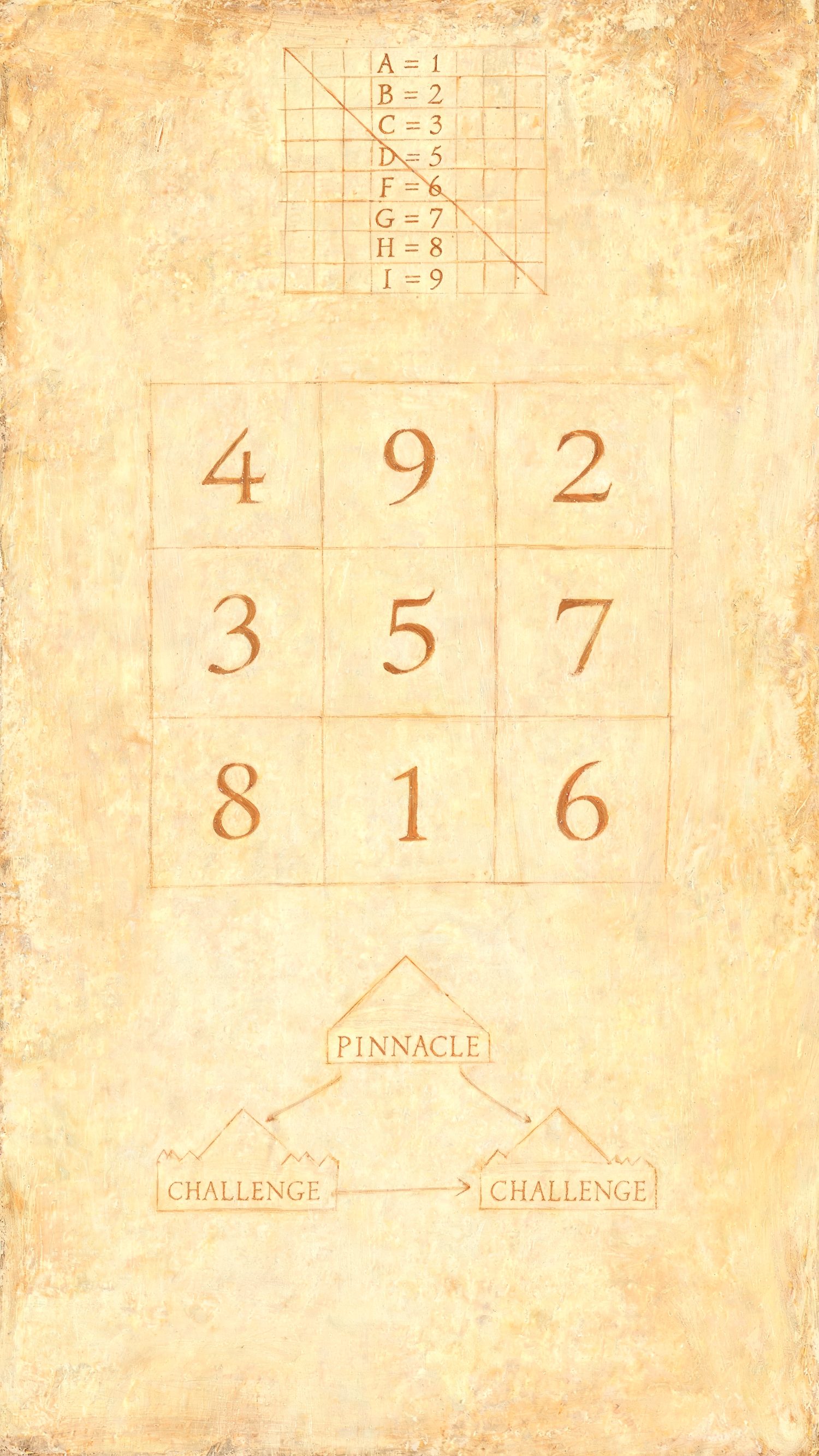
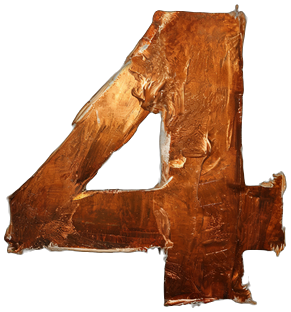 Life Path 4 is the Builder. It is the path of foundation, structure, discipline, integrity, methodical mastery, and the patient construction of something durable. Fours are the people who actually finish things; they are the contractors, architects, coders, craftsmen, organisers, ethical accountants, and reliable partners of the world. The lesson of the 4 is that the divine expresses itself through form, that the spiritual is embodied within the structural rather than opposed to it. A well-lived 4 makes things that outlast them. The shadow of the 4 is rigidity, workaholism, and equating self-worth with productivity. The healthy 4 builds slowly and remembers to play.
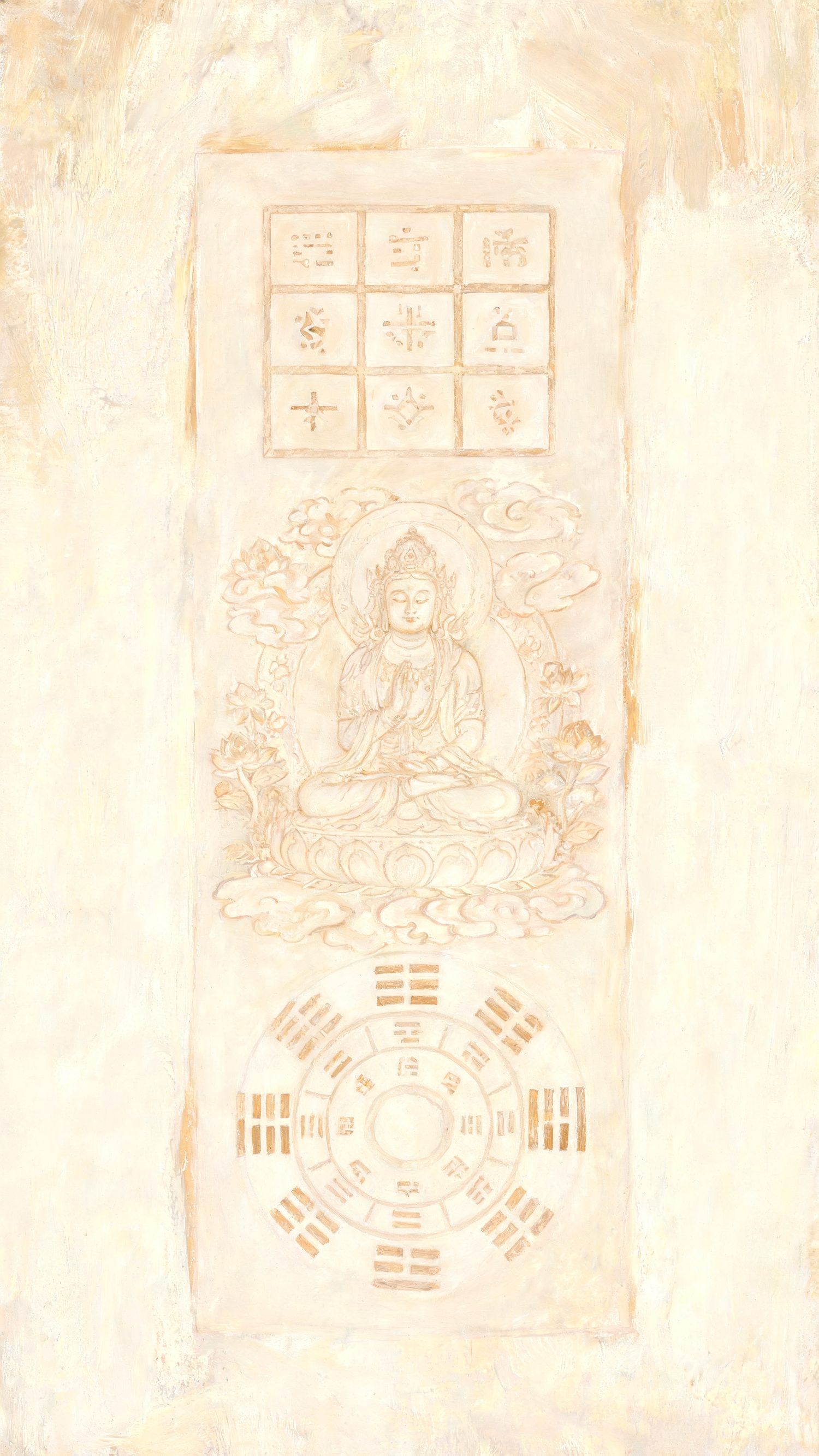
 Your year is Me Lang, the Fire Ox, the same as the Chinese reading but with subtly different overtones in the Tibetan tradition. The Tibetan Ox is associated with diligence in spiritual practice, attachment to home and herd, and a particular vulnerability around throat and digestion. Tibetan medicine pairs each year-animal with characteristic constitutional patterns; Ox-year people are said to have strong bone and muscular structure but to require attention to fluid balance, an interesting echo of the BaZi too much water diagnosis. Fire Ox in Tibetan reading is also the auspicious year of certain dharma teachers' takings of monastic vows; it is considered a year for steady, devotional commitment rather than sudden movement.
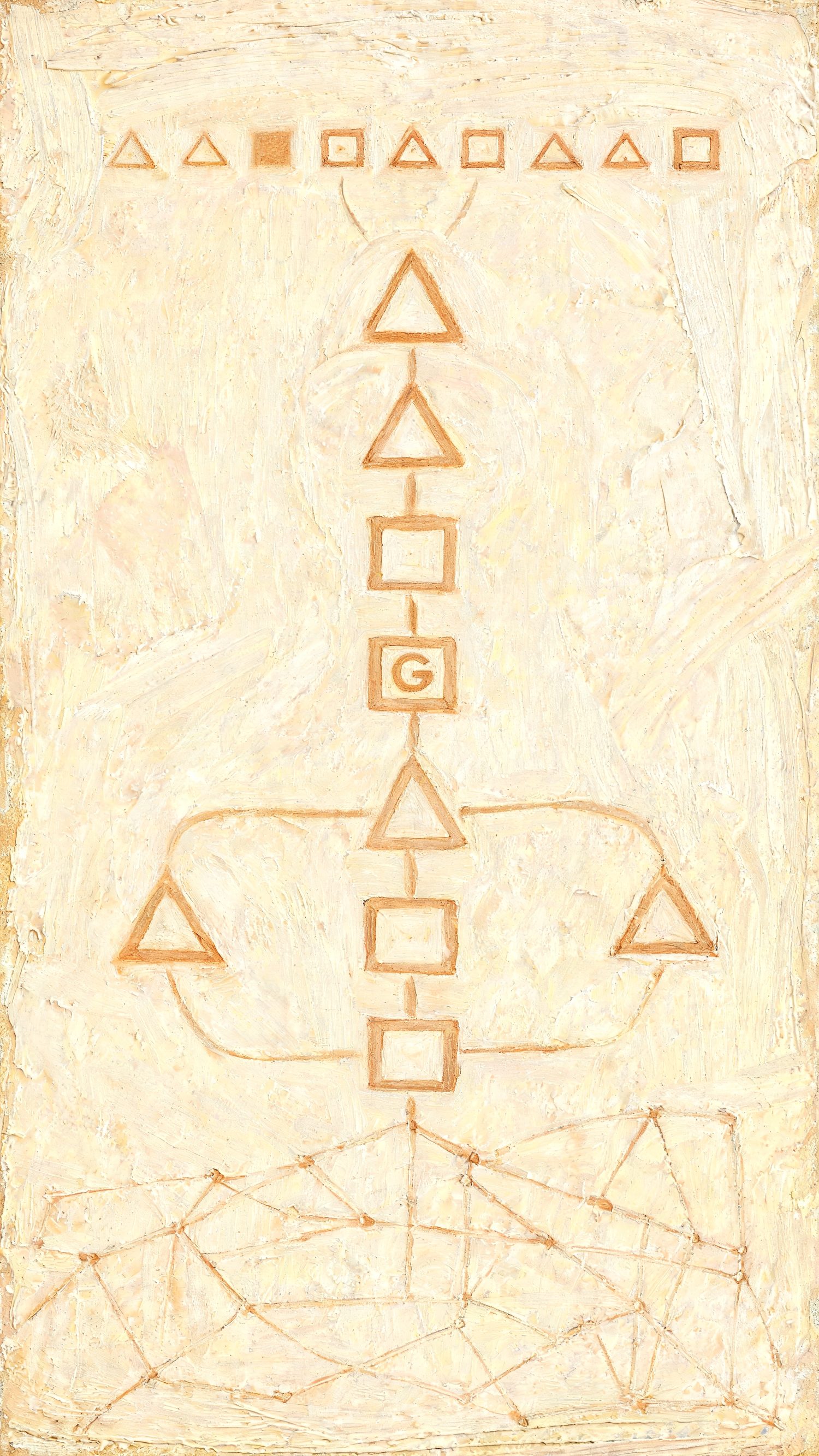
 Type, Generator. There are five types in the Human Design system (Manifestor, Generator, Manifesting Generator, Projector, Reflector), and Generator is the most common, comprising roughly 37 percent of the population. Generators have a defined Sacral centre (the womb-power motor that says uh-huh or unh-unh to life). The Generator's signature is satisfaction and its not-self theme is frustration. Your life energy works correctly when you are responding rather than initiating. The Sacral wakes up when something appears in your environment that it is genuinely a YES to, a question, an opportunity, a person, an offer, and gives a literal vocal uh-huh or unh-unh (the sound is real; once you start tracking it you will hear it). Generators who try to live by mental decision-making, plans, and sheer willpower tend to burn out and end up frustrated. Generators who live by sacral response find that the universe brings them what they are meant to do without forcing.
 Your Activation Sequence, the four prime keys of the Golden Path, together form what Rudd calls your Hologenetic Profile. They are the four pillars of your destiny.
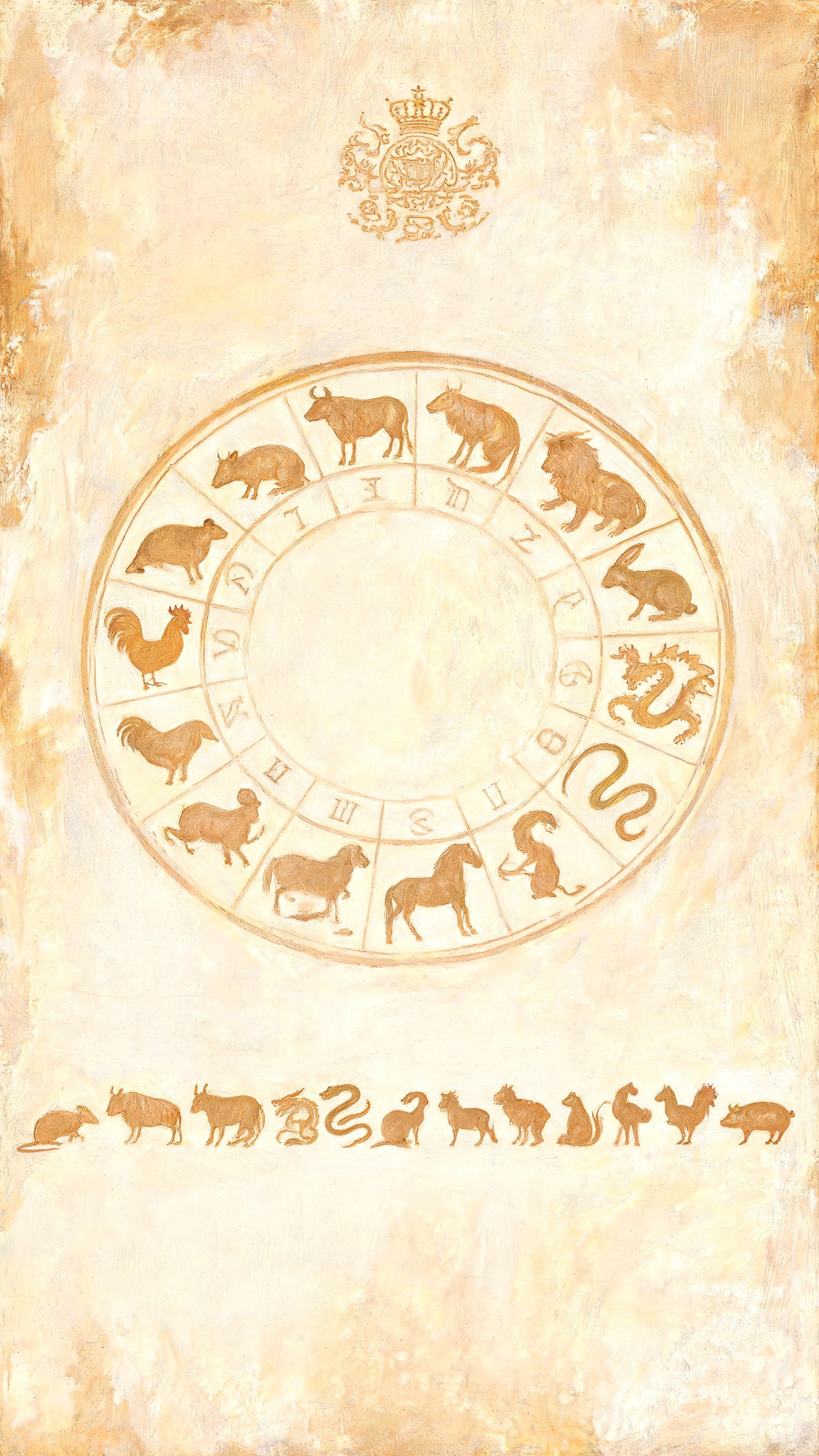
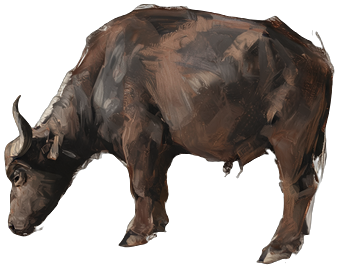 Outer animal: the Fire Ox. Of the five elemental Oxen (Wood, Fire, Earth, Metal, Water), Fire Ox is the rarest and the most determined. Ox energy is patient, hard-working, loyal, deeply trustworthy, slow to anger, slow to move, but absolutely unstoppable once committed. Add Fire to the Ox and you get an Ox that burns as it plods, an Ox with a quiet fire under it, willing to put in years of effort toward something it has decided matters. Fire Ox people are described as having hidden charisma: the heat stays unperformed, yet anyone paying attention can feel that they are running a much bigger engine than they show. The Fire Ox archetype includes both the unsung craftsman who masters one thing for thirty years and the public figure who endures long after flashier rivals burn out. The shadow of Fire Ox is stubbornness verging on self-punishment: the Ox can keep working past the point where it should rest because Ox does not stop, and Fire Ox can over-commit because Fire is proud.
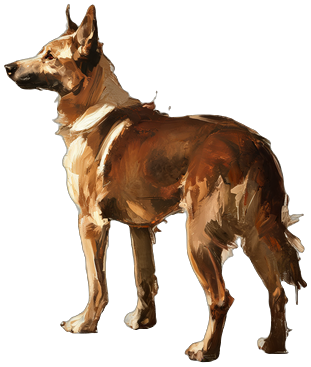 On the Chinese calendar, your year (1997) was the year of the Fire Ox of the 60-year cycle, and the next Fire Ox year is 2057, when you will turn 60. The 60-year completion is called your return to the zero point (本命年, ben ming nian, applies more strictly to all Ox years, but the elemental return at age 60 has special weight). The Fire Ox year 2057 will mark a major life-spiral closure and re-beginning. Your years to watch in the meanwhile, by traditional reckoning, are Ox years (your Ben Ming Nian: 2009, 2021, 2033) and Goat years (the Ox's clash: 2015, 2027, 2039); these are years when traditional practice recommends extra grounding, ancestor offerings, and patience.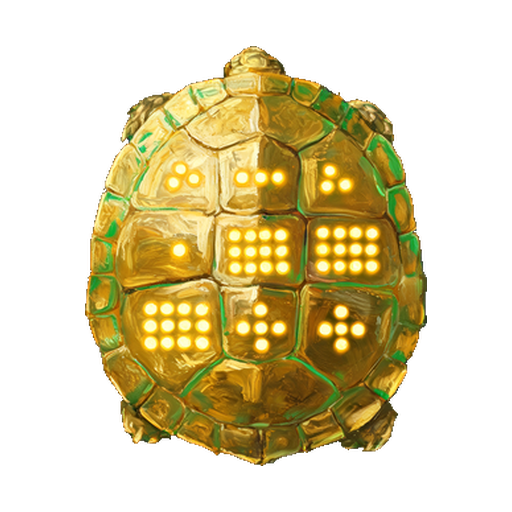
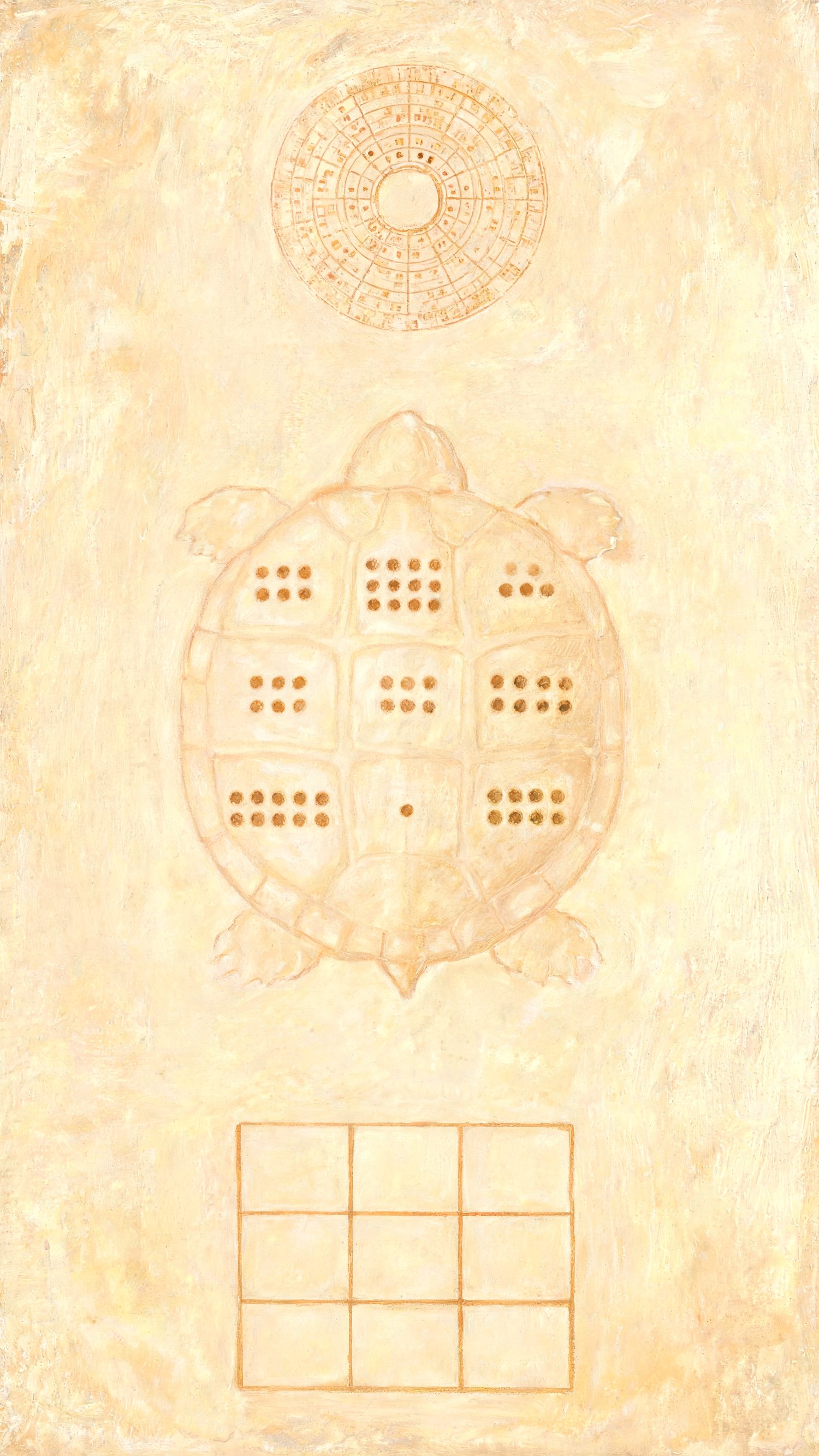
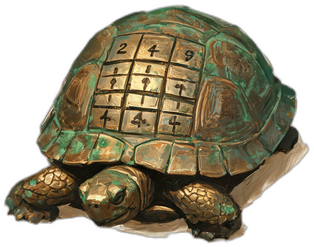 Your grid: 1 (twice), 2 (twice), 7 (once), 9 (twice). Five of the nine numbers are missing entirely (3, 4, 5, 6, 8). This is a fairly empty grid, which traditionally indicates a person who is here to fill in many of the elemental gaps over the course of their lifetime; every missing number marks a domain where you must do consciously what others receive automatically.
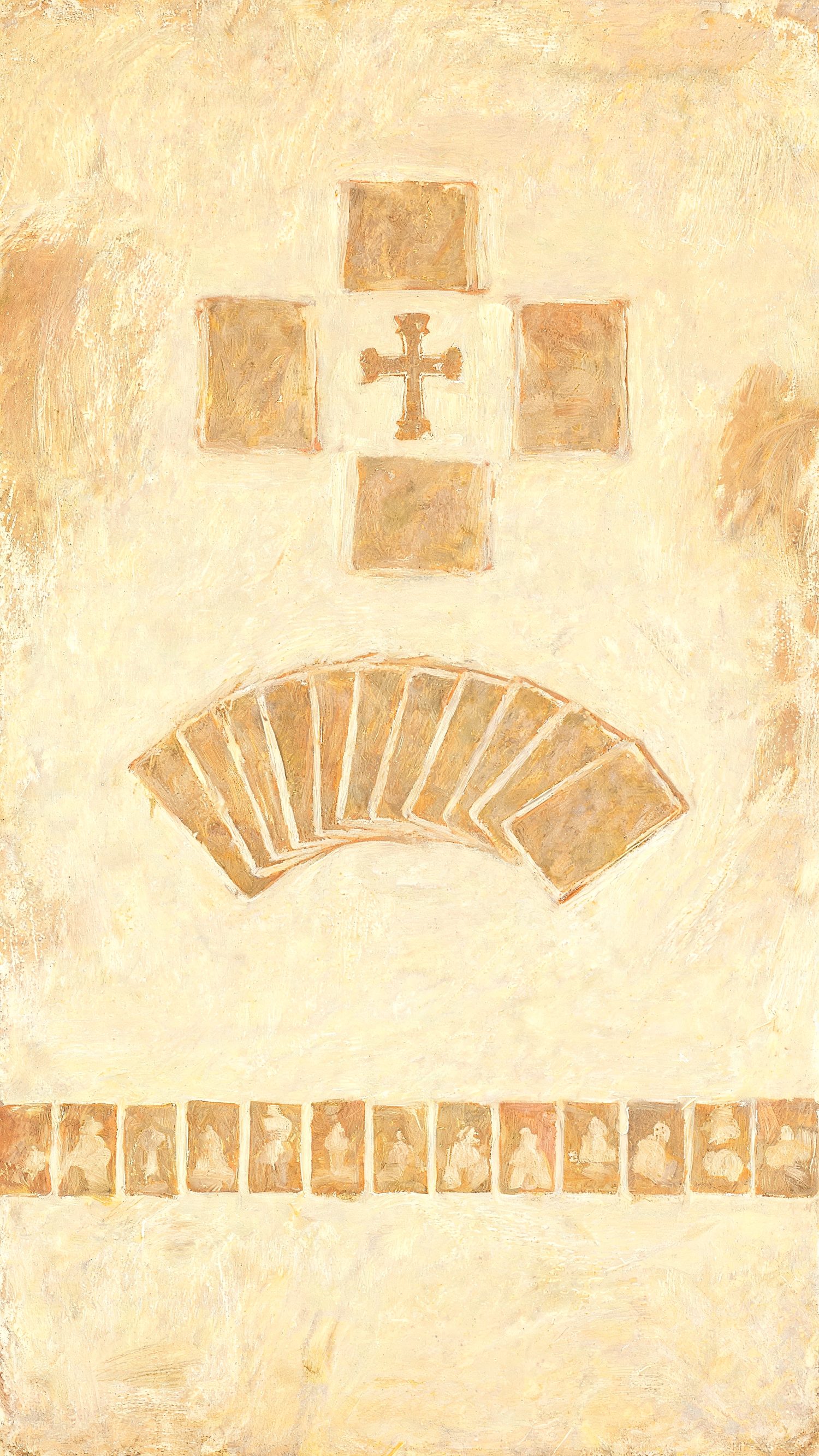
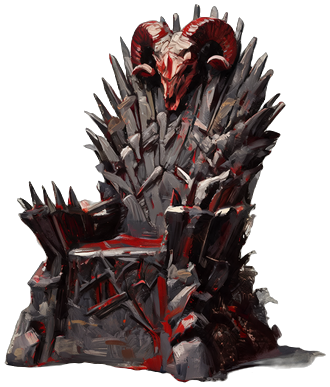
 Your sum: 12 + 20 + 1997 = 2029. Sum of digits: 2+0+2+9 = 13. That is your Personality number. Card XIII is Death.
 Your 2026 Year Card: 12 + 20 + 2026 = 2058 → 2+0+5+8 = 15 → 1+5 = 6. The Lovers, VI. The Lovers is the card of choice, partnership, soul recognition, integration of opposites, and the moment when two halves recognise each other and decide. 2026 is a Lovers year for you. This year you will be asked to make significant choices about partnership, relational, creative, vocational. The Lovers is also the card of values clarification: the choice it requires is fundamentally a choice about WHO you want to be in relationship with. Combined with your Personal Year 6 in Pythagorean numerology (also family/relationships), the message is consistent: 2026 is the year of conscious bonding.
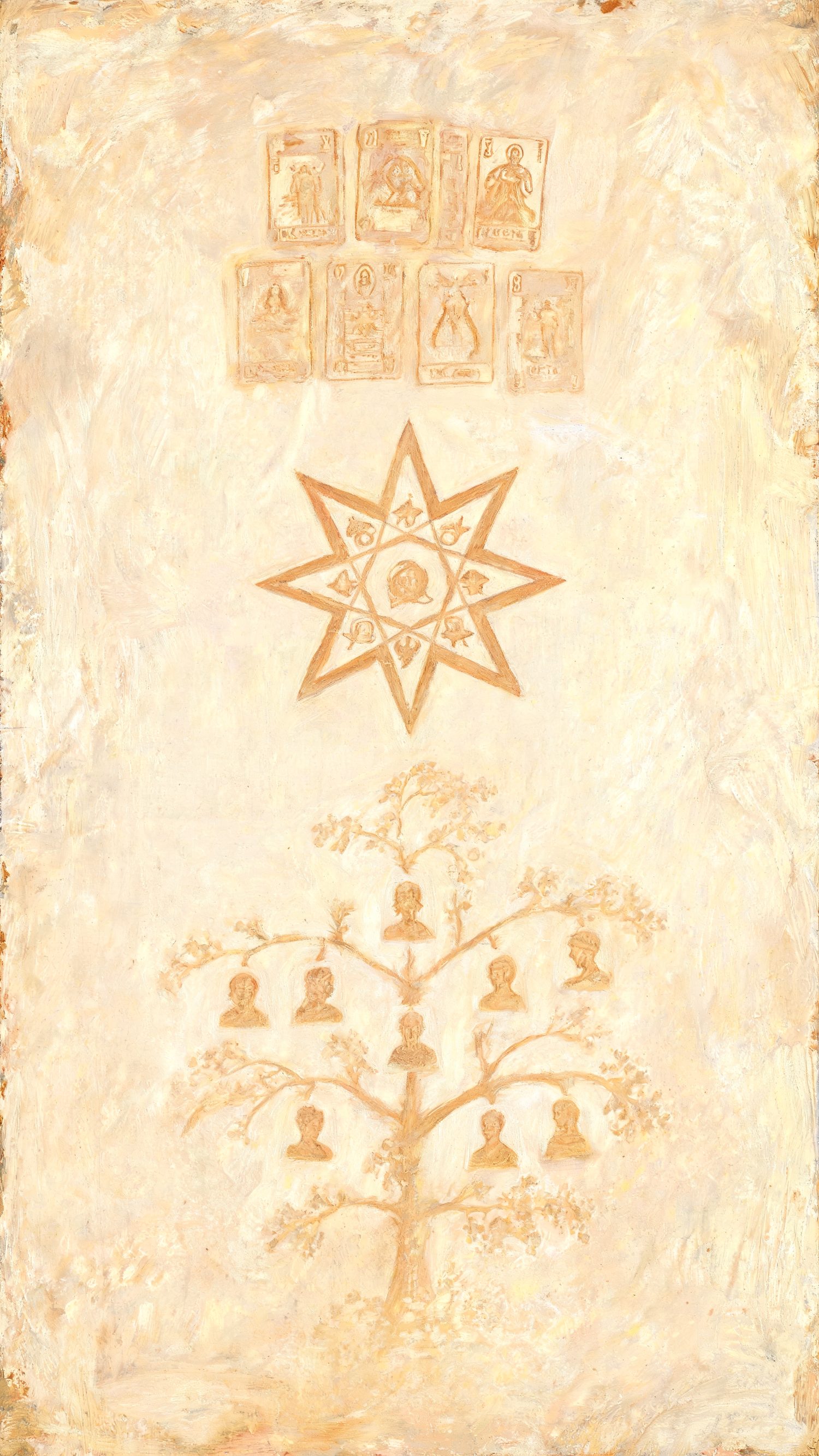
 Position A, your Day Energy, the personality stamp that follows you into every room: 20 = Judgement (in some decks Aeon). The Judgement card is the angel's trumpet calling souls out of the grave for the great awakening. It is the card of being summoned by something larger than yourself, of hearing a calling and recognising it as YOURS, of resurrecting a dead piece of yourself. People whose Personality A is Judgement tend to be people who undergo significant awakenings, dramatic, that realign their lives. They are also the people who summon others. Your A=20 says: you are designed to be both called and to be a caller.
 Father Line: 18 = The Moon (again). The literal father (or paternal figures) carry Moon-energy: emotional, possibly elusive, possibly inconsistent, possibly mystical, possibly not fully knowable. The healing is to make peace with the Moon-shaped father, to stop demanding sun-clarity from him. Mother Line: 12 = The Hanged Man. The literal mother (or maternal figures) carry Hanged Man energy: a person who has had to surrender, whose wisdom came through suspension or sacrifice, who is teaching you about acceptance through what she has gone through. The healing is to receive what she gave through her own upside-down view of the world.
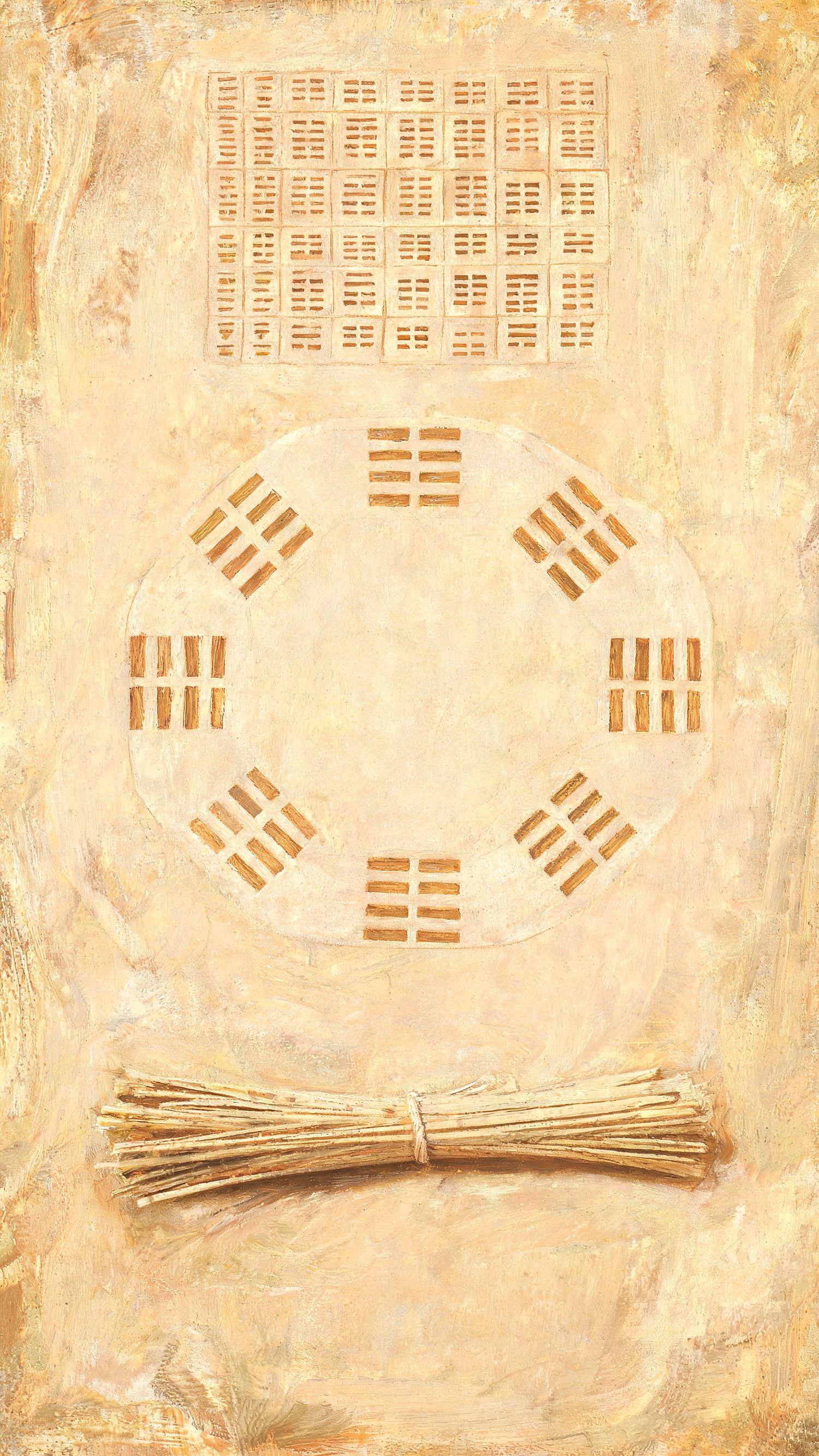
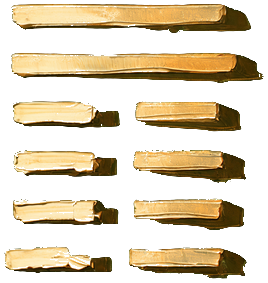 The structure is Wind (☴) above Earth (☷). Wind moves freely over the surface of the world; Earth receives whatever wind carries to it. The image of the hexagram is of a tower from which one can survey the country, the king who tours his realm to truly see what is happening on the ground.
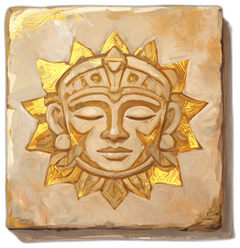 Ahau (also written Ajaw or Ahaw) is the most exalted of the twenty day-signs. It is translated as Lord, Sovereign, Sun, or Flower. The Ahau day-sign represents the realised solar consciousness, the Sun itself, the king who has united inner and outer light. In the Tzolkin, Ahau is the FINAL day-sign of the 20-day cycle, the completion, the culmination, the offering of the entire procession. To be born on Ahau is to be born at the end of a long count, with the wisdom of the previous nineteen day-signs gathered up in your nature. Ahau-born are described in Mayan tradition as the first among equals, natural leaders whose authority derives from luminosity rather than force. The shadow of Ahau is the ego inflation of the king who forgets he serves; the gift is the genuine sovereign-servant who knows that to be the sun is to be the source from which others draw warmth.
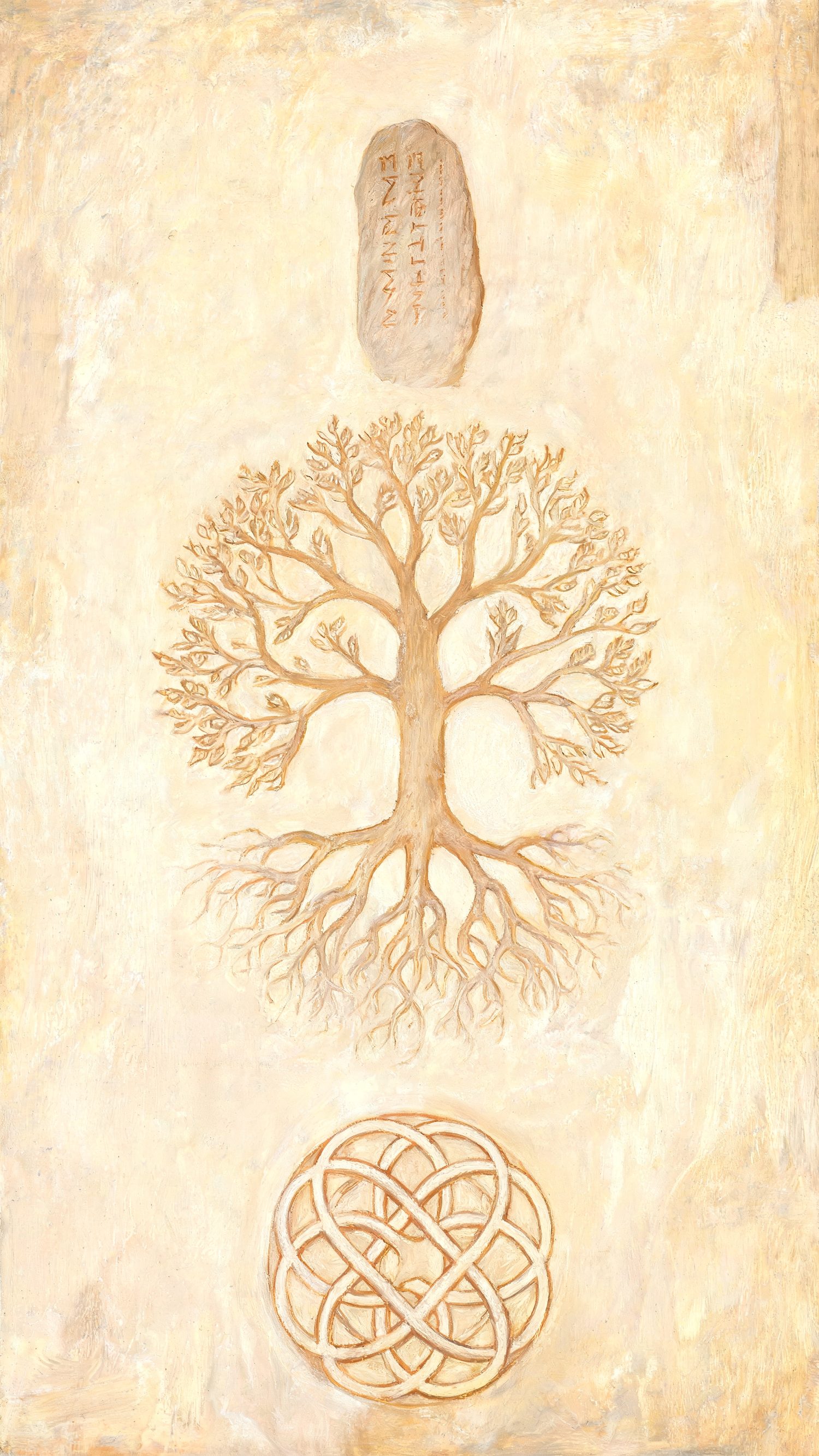
 December 20 falls in the Elder month, Ruis, which runs from November 25 to December 23, ending at the winter solstice. Elder is the LAST tree of the calendar year, the thirteenth tree, the closing month before the great solstice rebirth. Born under Elder, you arrive in the season of completion, of the final exhalation of the old year, of the dark before the return of the sun.
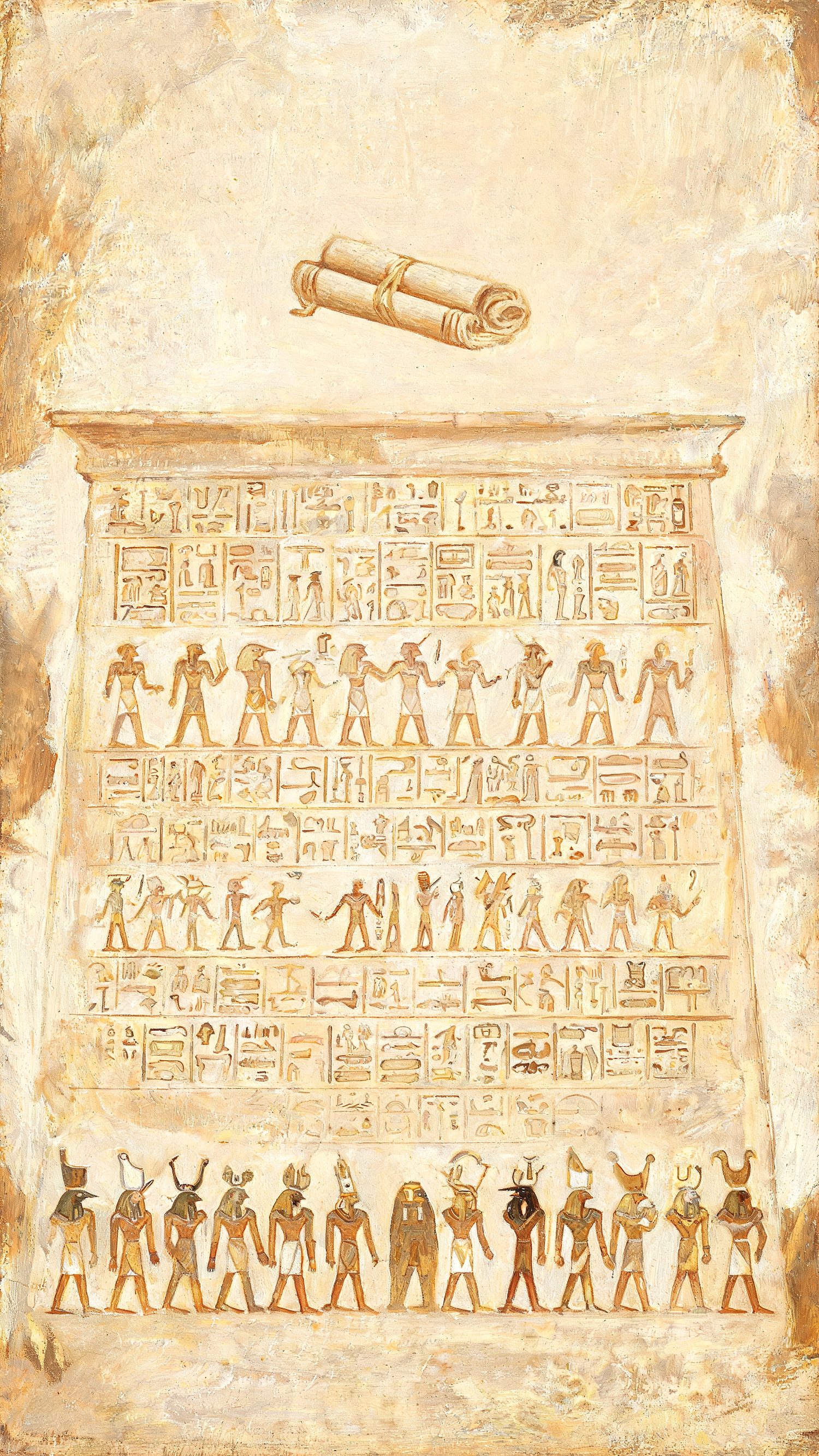
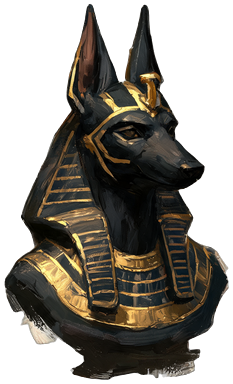 December 19 to January 1 is the period assigned to Anubis (Anpu in older transliteration). Anubis is one of the most ancient and most central deities of the Egyptian pantheon. He is the jackal-headed god, originally the chief of the underworld before being eclipsed by Osiris in the later Old Kingdom and onward, then reassigned to the role of guardian and weigher of hearts, embalmer of the dead, and the deity who opens the way (Wepwawet, treated as a separate but related deity, shares this role) for the soul's passage through the duat, the underworld.
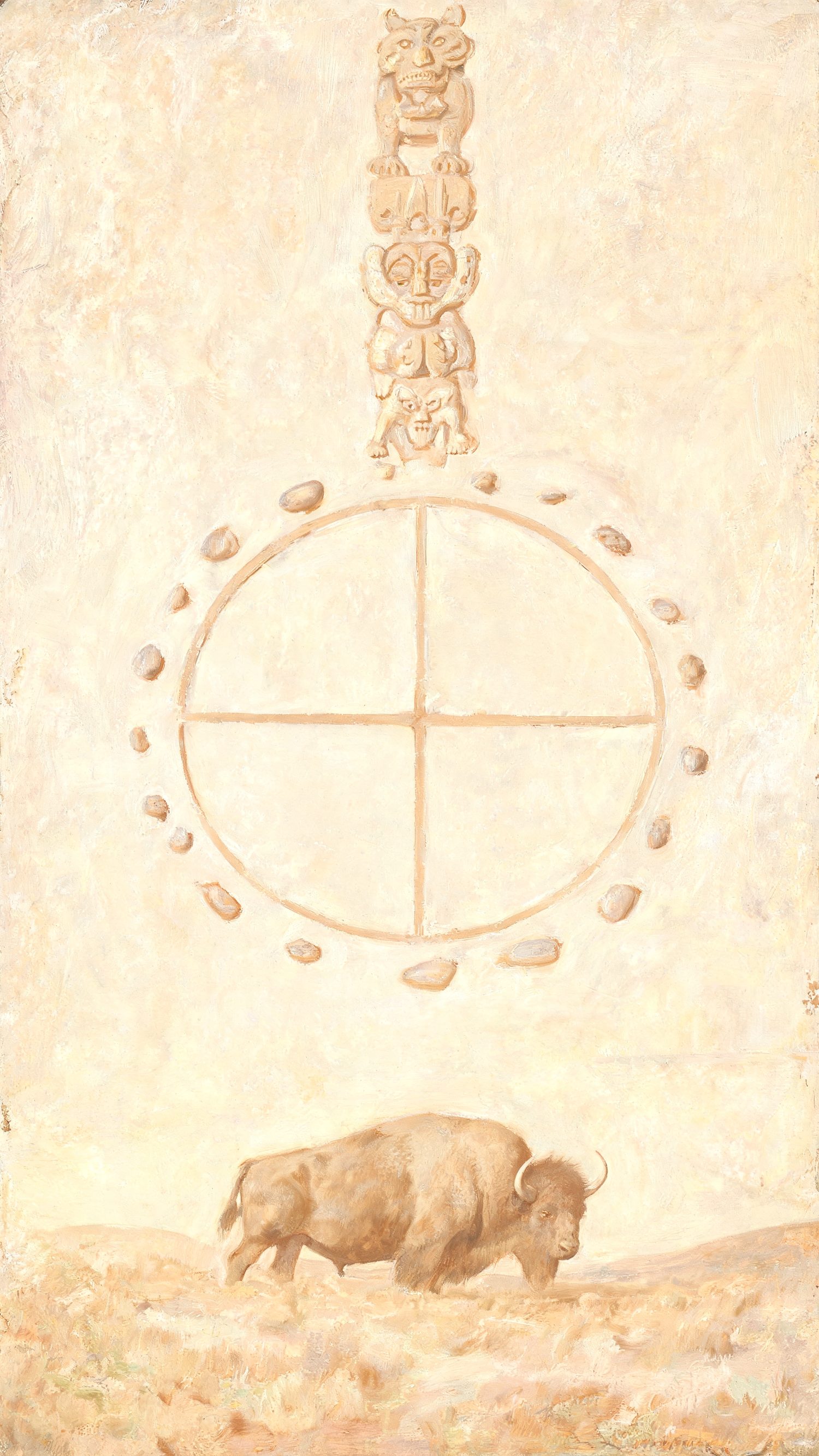
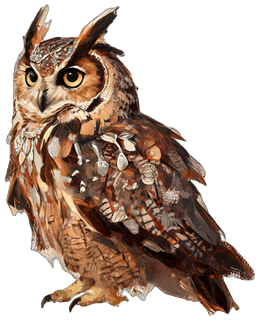 By Sun Bear's medicine wheel, December 20 falls in the Long Snows Moon (Nov 22 to Dec 21), governed by the Owl. December 21 onwards moves into the Earth Renewal Moon (Dec 22 to Jan 19) governed by the Snow Goose. Your birthday, December 20, is on the very last day of the Owl moon. You are an Owl, but a cusp Owl, with one wing already extending into Snow Goose territory.
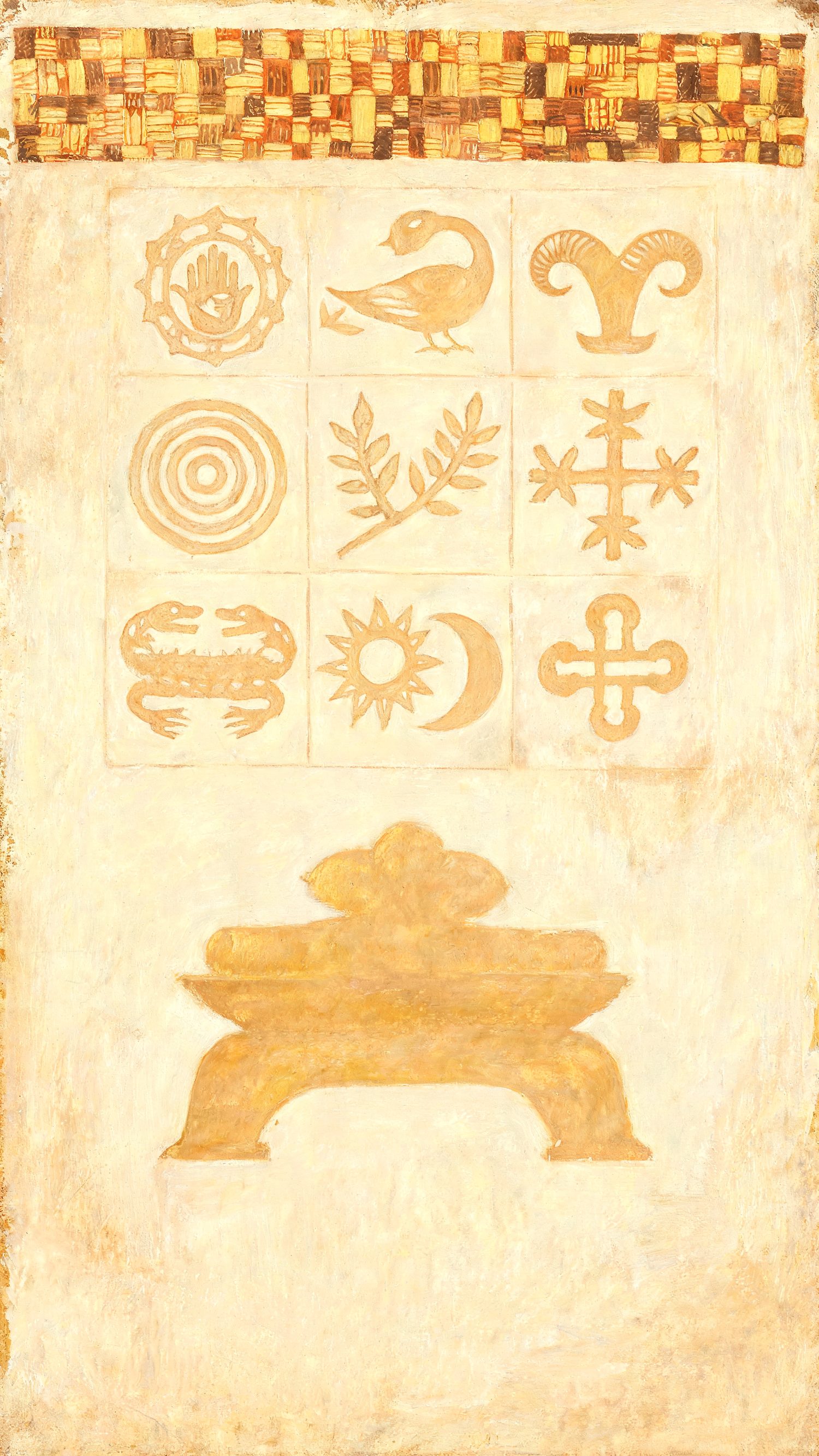
 December 20, 1997 was a Saturday, Memeneda in Twi, the principal Akan language. Saturday-born males receive the name Kwame; females receive Ama. (Gender was not specified; both are given for completeness.)
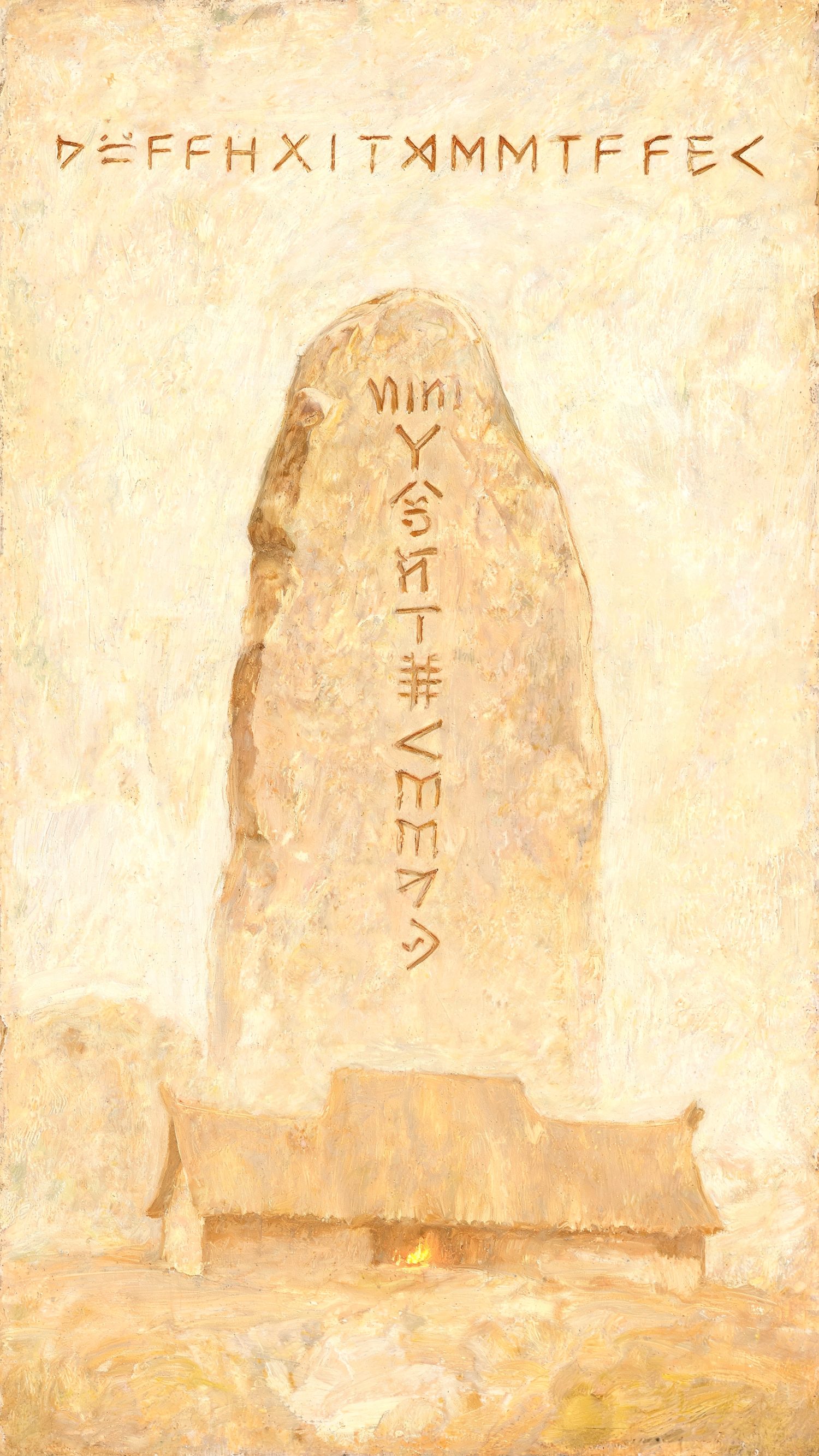
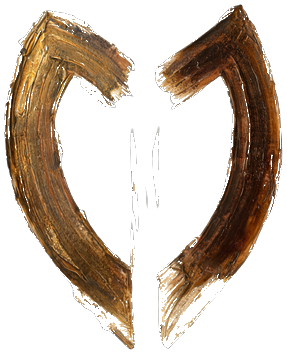 Your birth rune is Jera (ᛃ), the twelfth of the twenty-four runes. The English word year is its etymological descendant; in Old Norse it is ár, and in Proto-Germanic it was *jēran. Jera is the rune of completion and renewal, of seed becoming harvest and harvest becoming seed, of the wheel turning correctly. It does not name a moment in the year; it names the principle of the year itself.
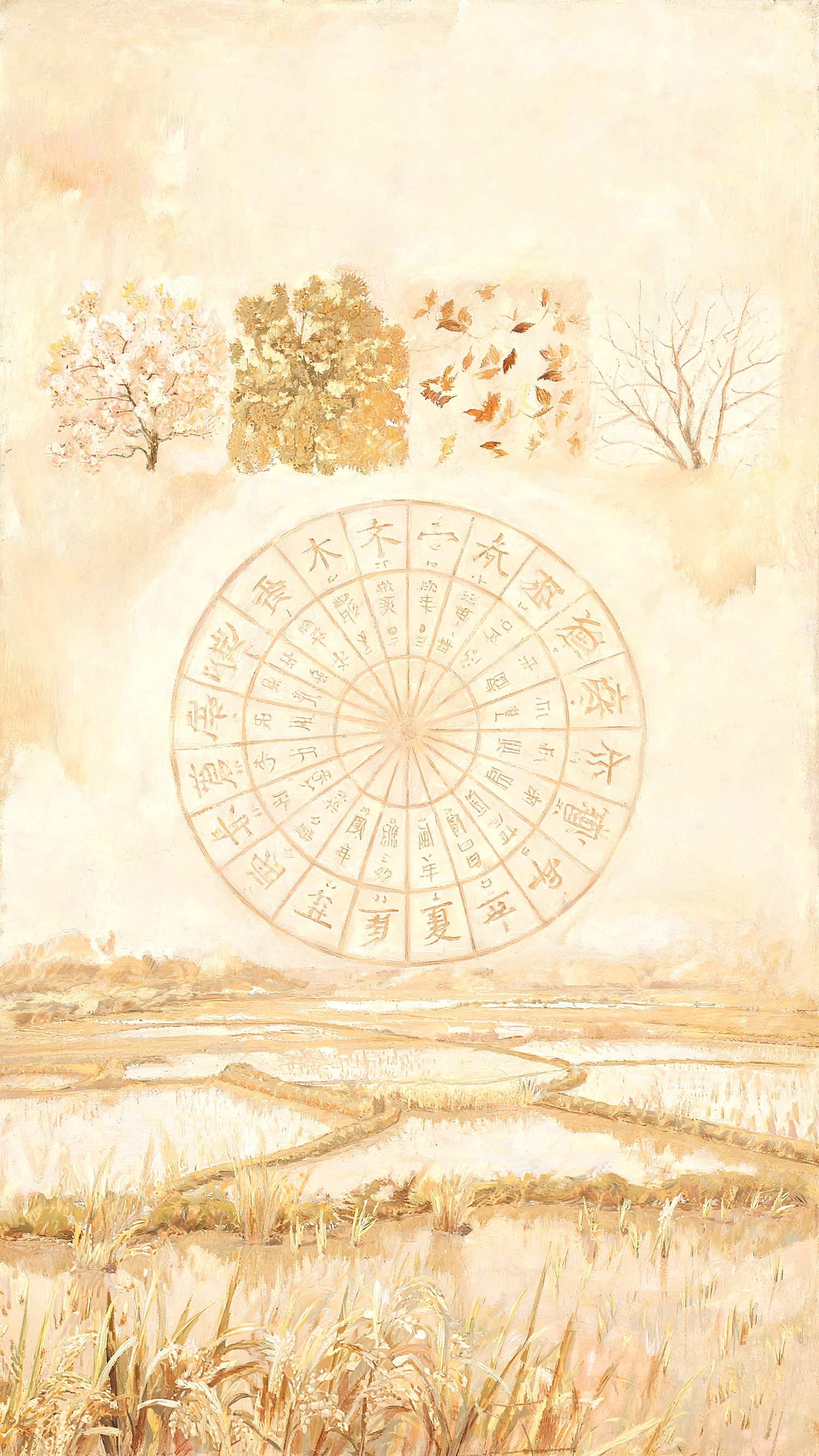
 Your birth-term is Daxue 大雪, Major Snow. It begins when the Sun reaches 255° of ecliptic longitude (the very early degrees of tropical Capricorn) and ends at the winter solstice. In the Chinese reckoning, Daxue is the twenty-first of the twenty-four terms, the third of the six winter terms, and the deep midwinter moment before the longest night.
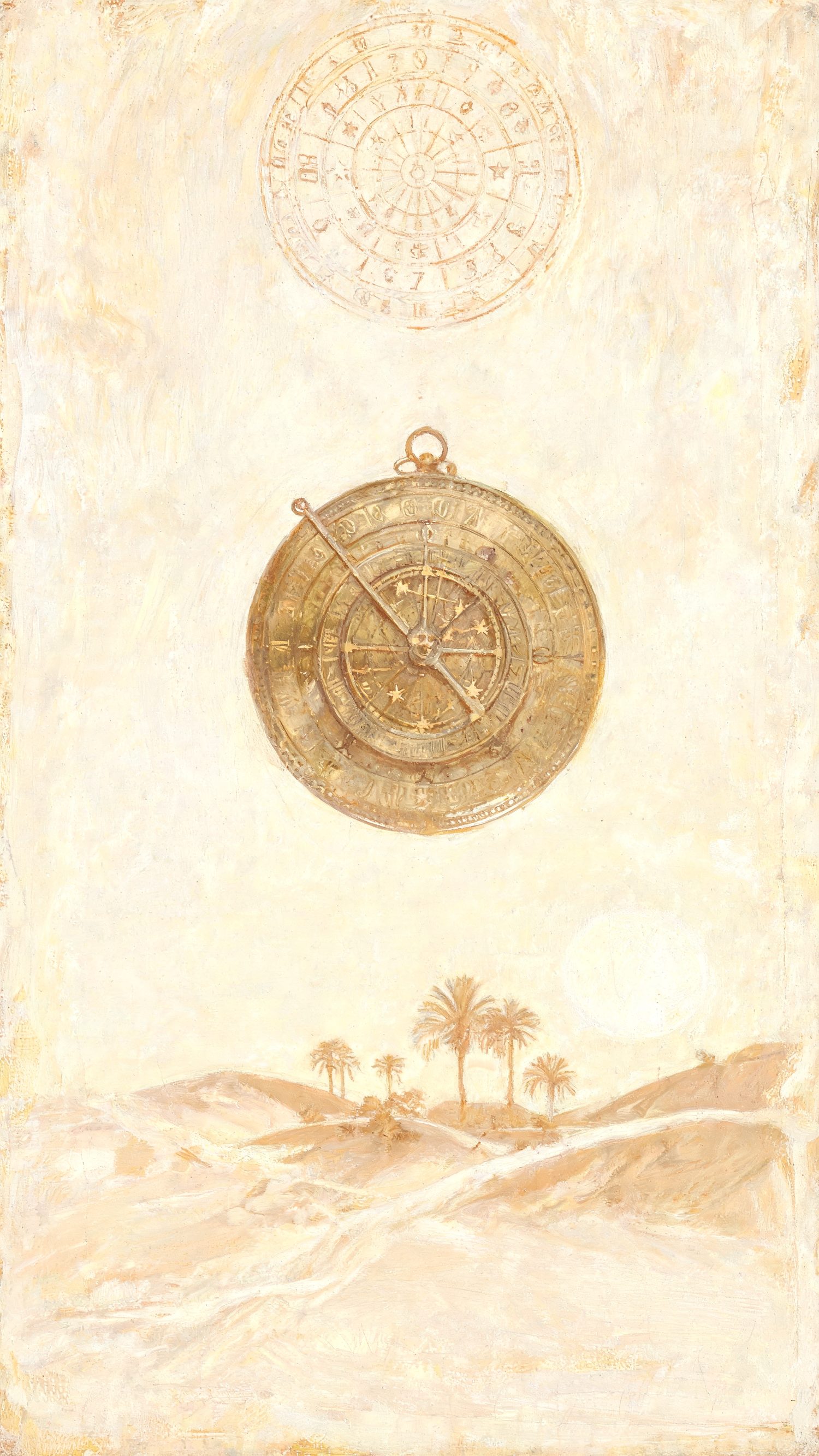
 Your birth mansion is Al Simak (السماك), the fourteenth of twenty-eight. Its anchor star is Spica, Alpha Virginis, the brightest star in the constellation Virgo and one of the fifteen Behenian stars of medieval European astrology. In Latin Spica means the ear of grain, the wheat-spike, the offering of the harvest. In Arabic, Al Simak Al A'zal means The Unarmed One, distinguishing this Simak (Spica) from Al Simak Al Ramih (The Lance-Bearer, Arcturus).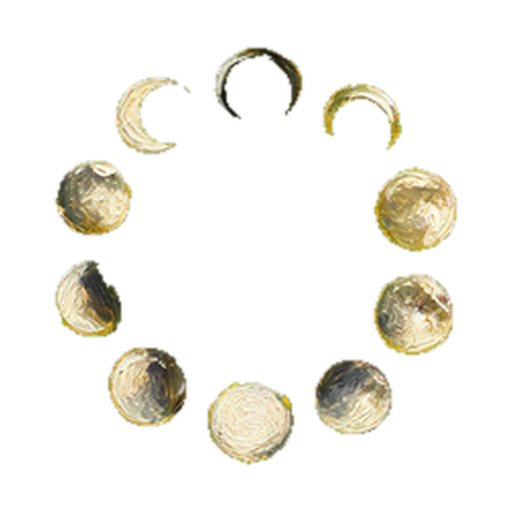
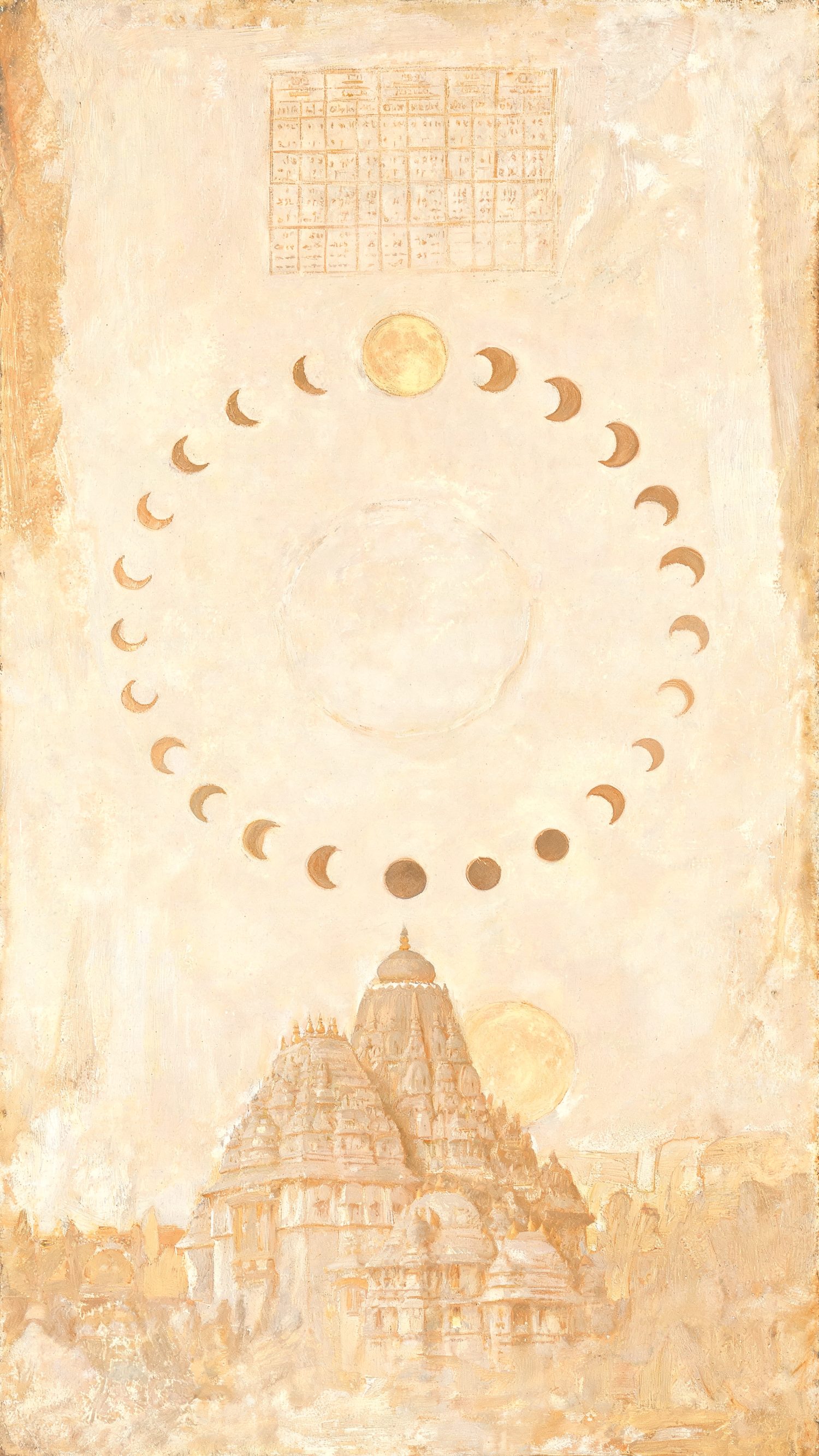
 Your birth tithi is Krishna Saptami, the seventh tithi of the waning fortnight. In the count of all thirty tithis in the month, this is the twenty-second tithi. It corresponds to the period when the Sun-Moon elongation has decreased from the 180° of the full moon down through 240° and is heading toward 264°, the precise elongation at your birth being approximately 262.2°. In the visible night sky this means a waning gibbous moon at roughly three-quarters phase, rising late in the evening and shining strongly past midnight.