The Android's Son leans first toward a long time horizon, a pull to weigh distant outcomes against the ones right in front of him. Read every leaning here as a likelihood his parents may watch for as he grows, drawn from what the profile computed and tested against the research record, never as a verdict fixed at birth. In that record, people who settle into an even, flexible spread across past, present, and future outlooks, rather than one dominant mode, tend to report higher wellbeing than any single-mode profile [1]. That five-part structure carries internal reliabilities near .74 to .80 and has replicated across many cultures [1]. The habit of weighing distant consequences is itself measurable and fairly stable, correlating in the .20 to .35 range with future-protective choices and against short-term self-harm [15]. The support here is strong and well replicated. The reading's own timing counts point the same way. The older systems mark his tempo as broad and slow, a score to be played Largo and never hurried through the years that do the real work. The tarot hands him the Hanged Man, the figure of patient suspension. As he grows, this may show as the child who waits out a delayed treat rather than seizing the one on the table.
A second leaning runs toward an inner engine, motivation that comes from the interest of a task rather than the reward stapled to it. Across a forty-year synthesis of 183 studies and 212,468 people, intrinsic motivation was a medium to strong predictor of performance, with correlations from about .21 to .45 [6]. That link was strongest for the quality of the work, and when any outside incentive was tied only indirectly to it [6]. How such drive shows up depends on a person's regulatory focus. A promotion focus channels traits toward approach and achievement, while a prevention focus channels them toward vigilance and avoiding loss [7]. Approach-oriented goals also beat avoidance goals for objectively measured performance across 79 effect sizes in 19 studies, and mastery goals outdo pure performance goals under low pressure and when no outside feedback is expected [8]. Confidence is strong for the intrinsic-motivation finding and moderate for the two mechanisms. Several counts describe the same heat. The four-pillar reckoning the traditions call BaZi shows Fire as his loudest phase, and the year-animal counts name him a Fire Horse that starts without waiting for permission. The number the numerologists read as a Life Path marks him a patient builder. As he grows, watch whether he keeps working at a puzzle after the sticker and the praise have stopped.
A third leaning points toward the front of the room, a tendency to emerge as the one others treat as leader. A meta-analysis of 73 samples found the five broad personality traits together correlated .48 with leadership, with extraversion the steadiest single predictor at .31, conscientiousness next at .28, and the rest trailing [4]. Emergence is also partly mechanical. Across the small-group literature, the member who simply talks the most is reliably chosen or seen as the leader, apart from the content or quality of what is said [5]. There are two viable routes upward, and they matter for which one he may take. Dominance and prestige are separable paths to rank. Dominance travels with narcissism, aggression, and low agreeableness, while prestige travels with genuine self-esteem, agreeableness, and conscientiousness, and both independently earn real influence and the group's visual attention [18]. This cluster is strong and well replicated. The reading casts him toward the prestige route. The count that grants authority reads it as something owed only to one who refuses to be led against his own judgement. The older star-map the traditions call the lunar mansions lodges him in the crown, a station of honour and graceful standing. The design counts give him a figure others look toward, held with a hermit's reserve.
Close beside leadership sits a pull toward recognition itself, toward being seen and admired. At first meeting, people higher in a confident, self-promoting style are rated more likable and popular within minutes, though the charm is carried by grooming, expressive body language, and humour rather than by the trait on its own [11]. That self-enhancing style splits into two moves. An admiration strategy of charm and self-promotion wins standing, while a rivalry strategy of devaluing others breeds conflict, and the two pull social standing in opposite directions [12]. The tie to real leadership is genuine, and it is bounded. The link to emerging as leader is small and positive, while the link to being an effective one bends like an inverted arch, so a moderate dose outperforms both very little and very much [13]. Interest in fame runs along a similar intensity ladder, from light entertainment interest through intense personal attachment to a borderline over-identification, and only the more intense rungs track with lower wellbeing [14]. These findings are moderate to strong, and the caveats are the point. The reading names this pull plainly and quietly. It gives him a Wednesday soul the traditions tie to the spider and to fame, and reads him as one seen for his opinions. It casts him as a quiet star who would rather let the finished work carry the name than stand on the stage.
A fourth leaning concerns how The Android's Son will refill after effort. Recovery breaks into distinct habits, and one stands out. Across 316 samples and 99,329 working adults, psychological detachment, the act of mentally stepping fully away, was the strongest buffer against exhaustion among the four recovery experiences [2]. Exhaustion and work engagement are separate states rather than two ends of one dial. Across four samples of 1,698 workers they shared only 10 to 25 percent of their variance, with demands driving the draining and available resources driving the involvement [3]. Burnout itself resolves into three parts, exhaustion, a cynical distancing, and a sense of shrinking accomplishment, a structure that has held across many occupations [17]. Support from others helps most with the exhaustion part, correlating with it at a corrected estimate of about -.26, stronger than its tie to the other two parts [16]. The record here is strong for the anchors and moderate for the parts. The reading circles the same lesson. Its counts hold that the one who does the caring must guard his own reserve so the caring never runs dry. They add that he should learn the door that lets him step out when leaving is the honest move, and that his path carries a marked need for privacy and retreat.
The same leaning has a further reach, toward finding real growth on the far side of hard passages, and here the honest reading matters most. A large synthesis of 154 longitudinal samples and 98,436 people found genuine, prospectively measured growth after major events for self-esteem, the quality of relationships, and a sense of mastery, and found no such verified growth for meaning or spirituality [9]. The same work found no general sign that painful events produce more growth than joyful ones, which trims the popular story back to what the data support [9]. What people report as growth still organises into five distinct strands, relating to others, new possibilities, personal strength, spiritual change, and a deepened appreciation of life, rather than one undivided thing [10]. The anchor is strong and its boundaries are firm, and the five-part structure is well replicated. The reading has said as much in its own images. It reads his purpose as something built out of a collapse and rebuilt by patient blending. It casts him as the child of a made thing who chose to become a maker himself. And in the sign its oldest count reads as hard confinement, it hides a warm, ordered home, and, turned over, a face of grace. As he grows, this may look less like being toughened by trouble and more like a steady rebuilding of footing after each real setback.
[1] Zimbardo, P. G., & Boyd, J. N. (1999). Putting time in perspective: A valid, reliable individual-differences metric. Journal of Personality and Social Psychology, 77(6), 1271-1288.
[2] Headrick, L., Newman, D. A., Park, Y. A., & Liang, Y. (2023). Recovery experiences for work and health outcomes: A meta-analysis and recovery-engagement-exhaustion model. Journal of Business and Psychology, 38, 1-32.
[3] Schaufeli, W. B., & Bakker, A. B. (2004). Job demands, job resources, and their relationship with burnout and engagement: A multi-sample study. Journal of Organizational Behavior, 25(3), 293-315.
[4] Judge, T. A., Bono, J. E., Ilies, R., & Gerhardt, M. W. (2002). Personality and leadership: A qualitative and quantitative review. Journal of Applied Psychology, 87(4), 765-780.
[5] Mullen, B., Salas, E., & Driskell, J. E. (1989). Salience, motivation, and artifact as contributions to the relation between participation rate and leadership. Journal of Experimental Social Psychology, 25(6), 545-559.
[6] Cerasoli, C. P., Nicklin, J. M., & Ford, M. T. (2014). Intrinsic motivation and extrinsic incentives jointly predict performance: A 40-year meta-analysis. Psychological Bulletin, 140(4), 980-1008.
[7] Lanaj, K., Chang, C.-H., & Johnson, R. E. (2012). Regulatory focus and work-related outcomes: A review and meta-analysis. Psychological Bulletin, 138(5), 998-1034.
[8] Van Yperen, N. W., Blaga, M., & Postmes, T. (2014). A meta-analysis of self-reported achievement goals and nonself-report performance across three achievement domains (work, sports, and education). PLOS ONE, 9(4), e93594.
[9] Mangelsdorf, J., Eid, M., & Luhmann, M. (2019). Does growth require suffering? A systematic review and meta-analysis on genuine posttraumatic and postecstatic growth. Psychological Bulletin, 145(3), 302-338.
[10] Taku, K., Cann, A., Calhoun, L. G., & Tedeschi, R. G. (2008). The factor structure of the posttraumatic growth inventory: A comparison of five models using confirmatory factor analysis. Journal of Traumatic Stress, 21(2), 158-164.
[11] Back, M. D., Schmukle, S. C., & Egloff, B. (2010). Why are narcissists so charming at first sight? Decoding the narcissism-popularity link at zero acquaintance. Journal of Personality and Social Psychology, 98(1), 132-145.
[12] Back, M. D., Kufner, A. C. P., Dufner, M., Gerlach, T. M., Rauthmann, J. F., & Denissen, J. J. A. (2013). Narcissistic admiration and rivalry: Disentangling the bright and dark sides of narcissism. Journal of Personality and Social Psychology, 105(6), 1013-1037.
[13] Grijalva, E., Harms, P. D., Newman, D. A., Gaddis, B. H., & Fraley, R. C. (2015). Narcissism and leadership: A meta-analytic review of linear and nonlinear relationships. Personnel Psychology, 68(1), 1-47.
[14] McCutcheon, L. E., Lange, R., & Houran, J. (2002). Conceptualization and measurement of celebrity worship. British Journal of Psychology, 93(1), 67-87.
[15] Strathman, A., Gleicher, F., Boninger, D. S., & Edwards, C. S. (1994). The consideration of future consequences: Weighing immediate and distant outcomes of behavior. Journal of Personality and Social Psychology, 66(4), 742-752.
[16] Halbesleben, J. R. B. (2006). Sources of social support and burnout: A meta-analytic test of the conservation of resources model. Journal of Applied Psychology, 91(5), 1134-1145.
[17] Maslach, C., Schaufeli, W. B., & Leiter, M. P. (2001). Job burnout. Annual Review of Psychology, 52, 397-422.
[18] Cheng, J. T., Tracy, J. L., Foulsham, T., Kingstone, A., & Henrich, J. (2013). Two ways to the top: Evidence that dominance and prestige are distinct yet viable avenues to social rank and influence. Journal of Personality and Social Psychology, 104(1), 103-125.




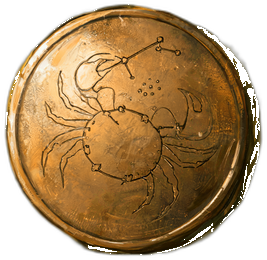 Above all of that, your Midheaven stands at 29°20'33" Leo, the public roof of the chart, which asks you to be seen doing something you actually made. Your Mercury at 25°08'24" Cancer keeps thought loyal to feeling, so you rarely argue a point you do not privately care about. Venus at 12°34'49" Leo wants loyalty returned in the open, warm and a little proud. Mars at 26°47'21" Taurus in the seventh house is slow to anger and very hard to move once committed. It shows when you refuse to be rushed into a quarrel, then refuse to drop it once you have entered.
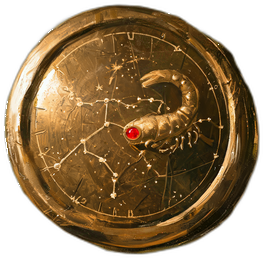 Taken together, the picture is consistent: a private, deep, water-heavy nature wearing Scorpio at the door, built to work in the intimate and hidden arenas rather than the shallow ones. Your assignment is to let the eighth-house Sun and twelfth-house Moon do their real work: the shared money, the buried truth, the grief nobody else will sit with. Meanwhile the Leo roof keeps you visible enough to be found by the people who need exactly that. This is the Western tropical tradition, which reads the sky by the seasons measured from the equinox rather than from the fixed stars.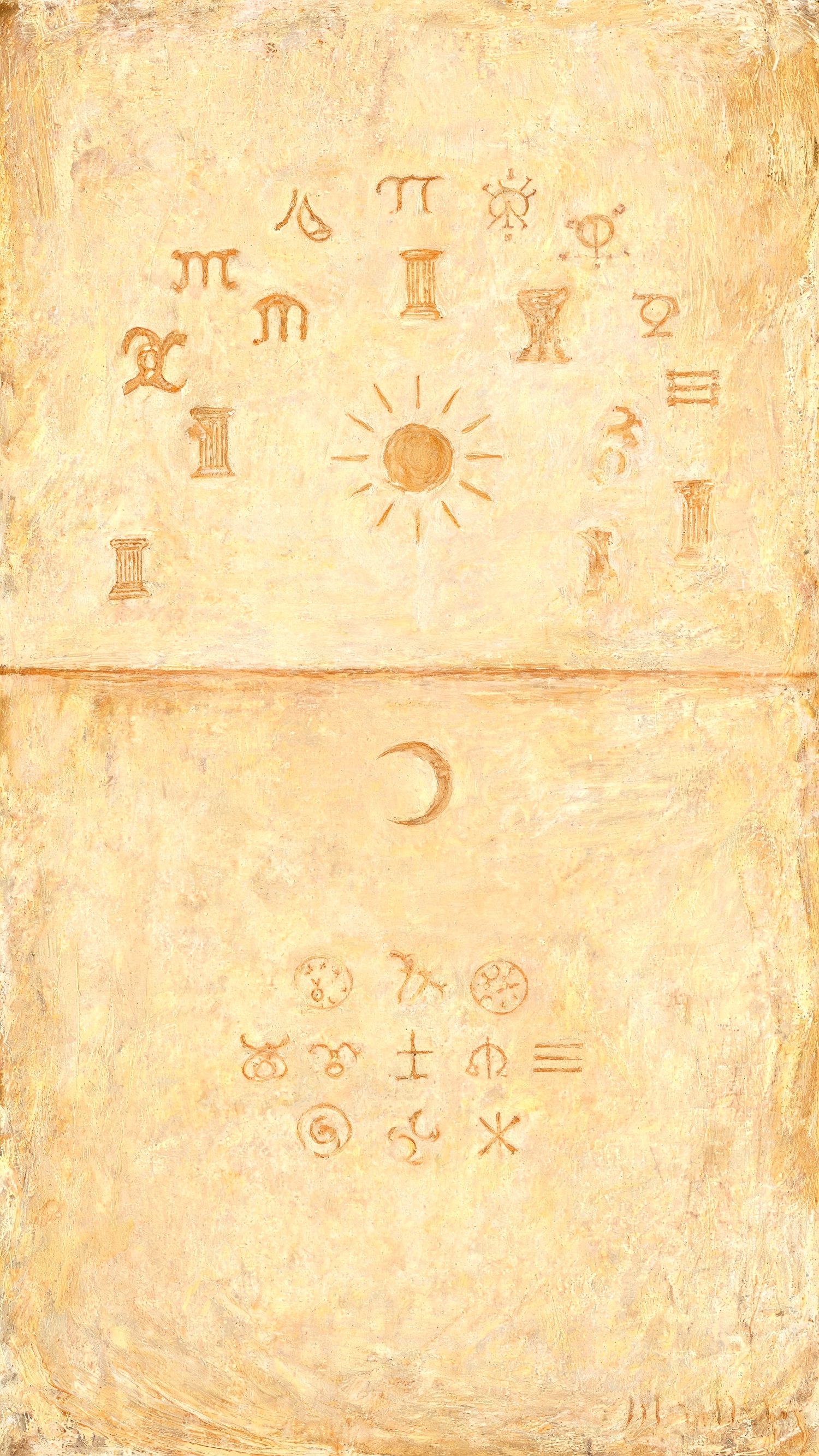
 Your Lot of Eros at 10°18'16" Sagittarius points to what you reach for and the people that reaching draws to you, and in Sagittarius it wants meaning, distance, and someone who will actually go somewhere with you. You are the person who falls for a mind and a horizon before a face. The Lot of Necessity at 17°08'22" Cancer names what cannot be argued with, the fated terms of the life, and in Cancer those terms are family, home, and the people you never chose and must still tend. Much of your freedom is spent inside obligations of blood and household that were set before you ever had a vote.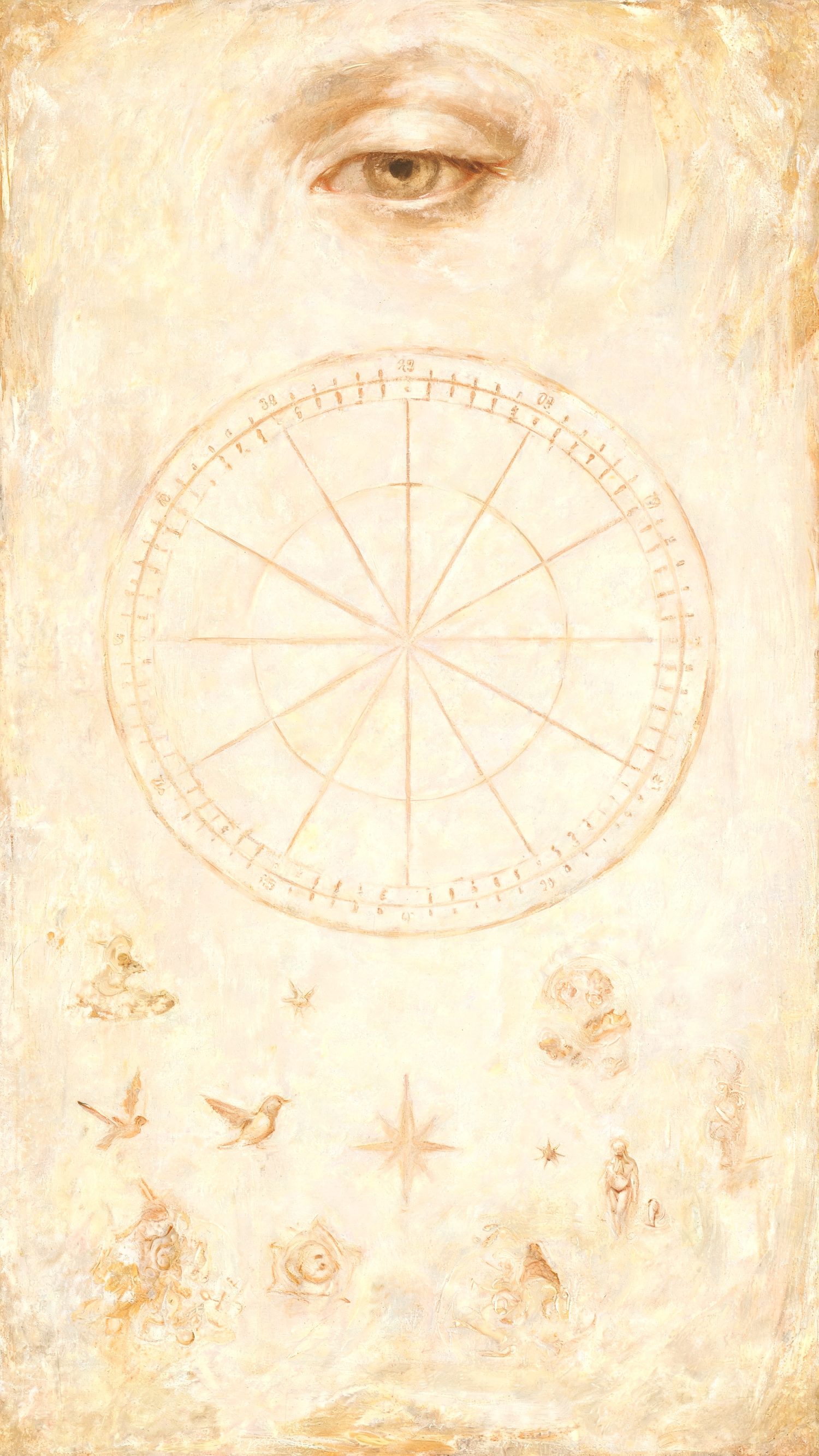
 Your Ascendant, by contrast, falls late, on the twenty-third degree of Scorpio, deep in the closing third of the sign where the theme is mature and turned outward. So the face you present is far older than the self behind it, which is why people meet you as composed and knowing while you privately feel like a beginner. Your Midheaven sits at the very last degree of Leo, the thirtieth, a point of completion, as if your public role carries the pressure of a final exam you never signed up for. The distance between a young interior and a finished exterior is the central Sabian note of your reading.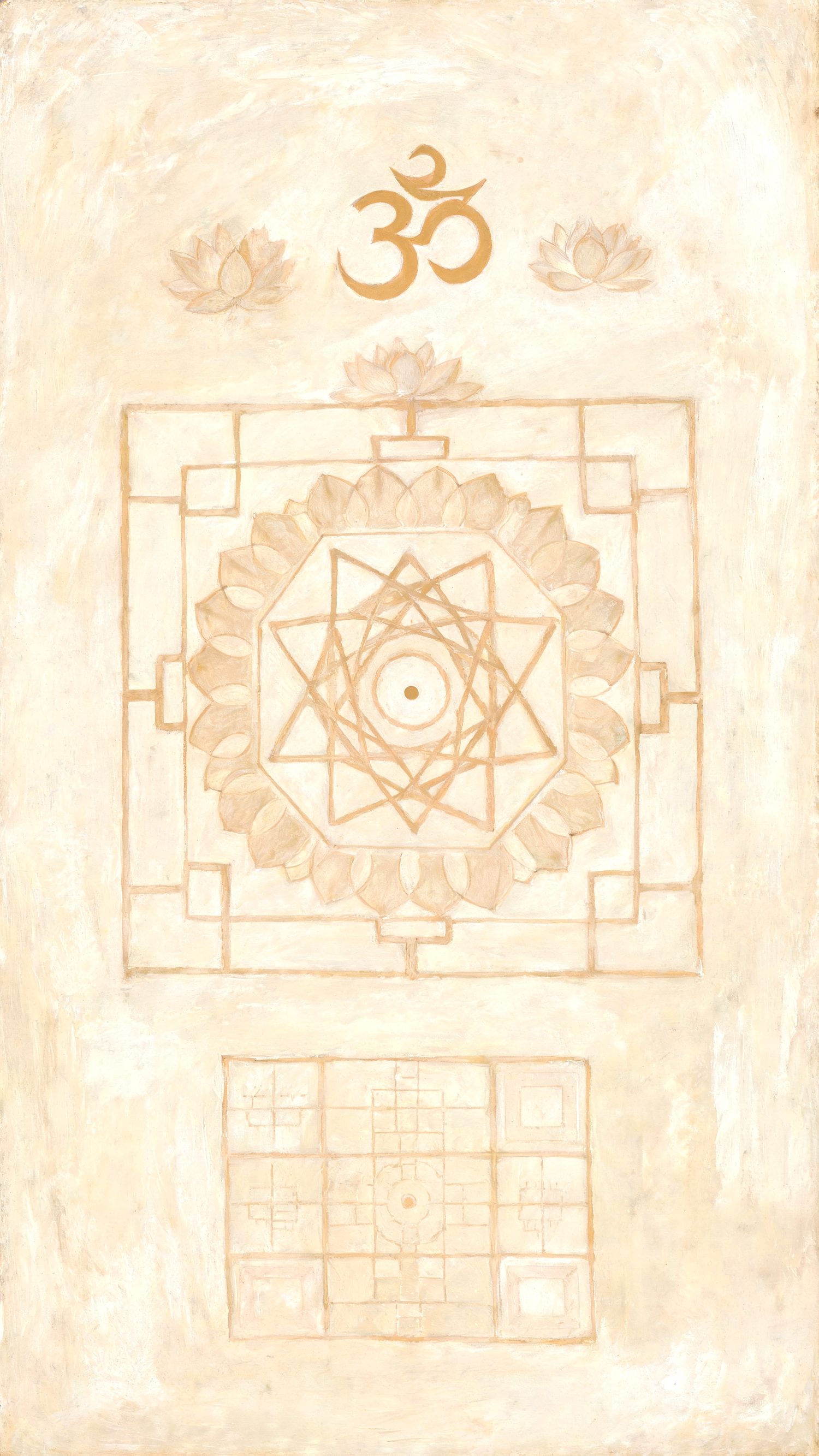
 In this tradition the Moon outranks the Sun, and yours sits at 6°20'04" Libra in Chitra, the mansion of the brilliant craftsman, beauty given a clean and finished form. Its ruling planet is Mars, which becomes the quiet governor of your inner life, lending a warrior's edge to what looks from outside like a gentle, aesthetic temperament. This is why you can spend hours making one small thing exactly right and feel that as urgent rather than fussy. You are calm on the surface and quietly relentless underneath, a maker who will redo the work until it is genuinely good and not merely done.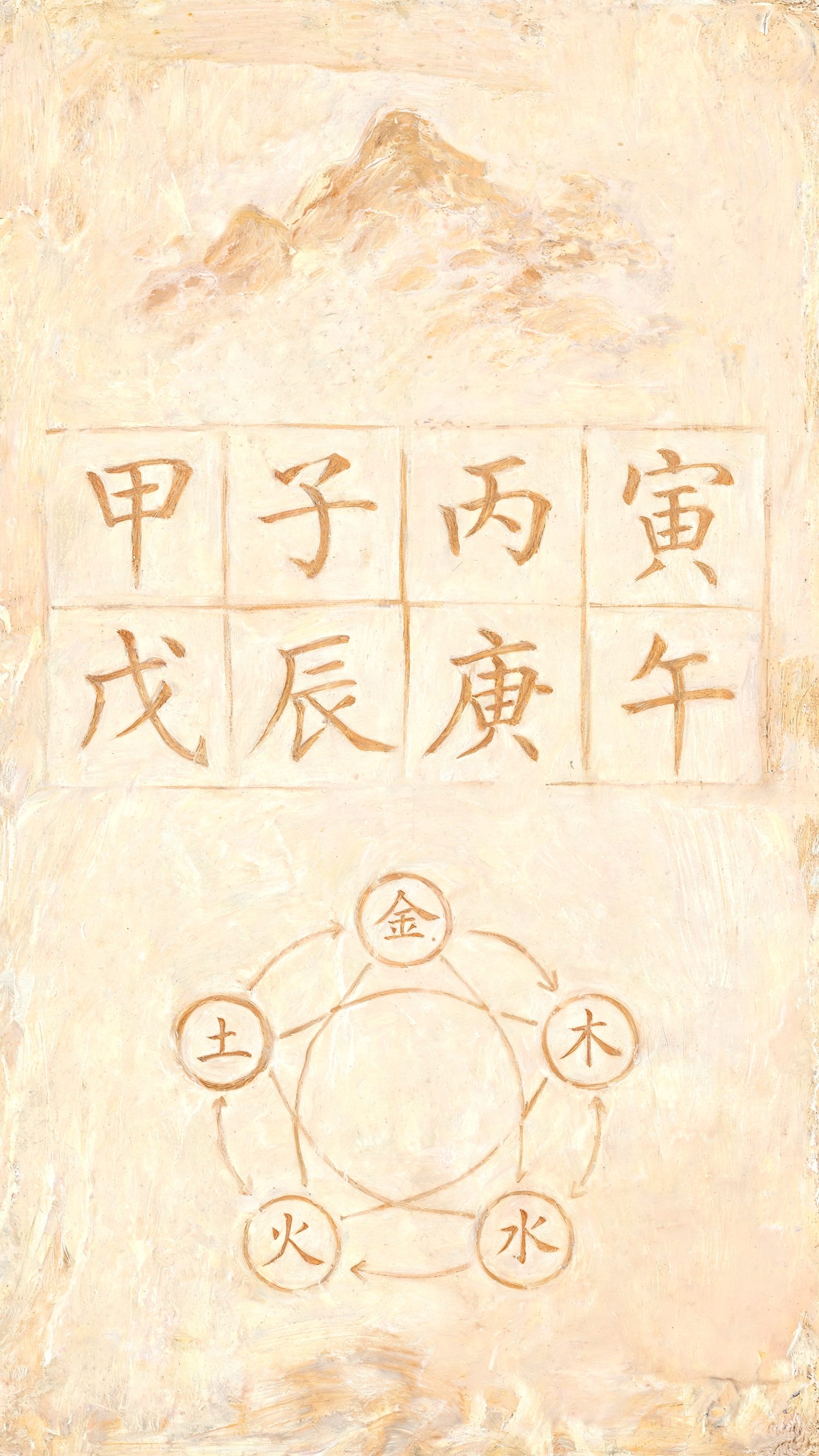
 Your birth reads as four pillars, each a pair of a heavenly stem and an earthly branch, and together they sketch inheritance, upbringing, the self, and later life in that order. The Year pillar is Bing Wu, a Yang Fire Horse, so what you inherit is heat, drive, and a family appetite for motion. The Month pillar is Jia Wu, a Yang Wood Horse, giving your upbringing a growing, upward push, since wood feeds fire. The Day pillar is your own Ji Si, a Yin Earth Snake, patient and quietly strategic. The Hour pillar is Ren Shen, a Yang Water Monkey, so your later years turn clever, fluid, and inventive.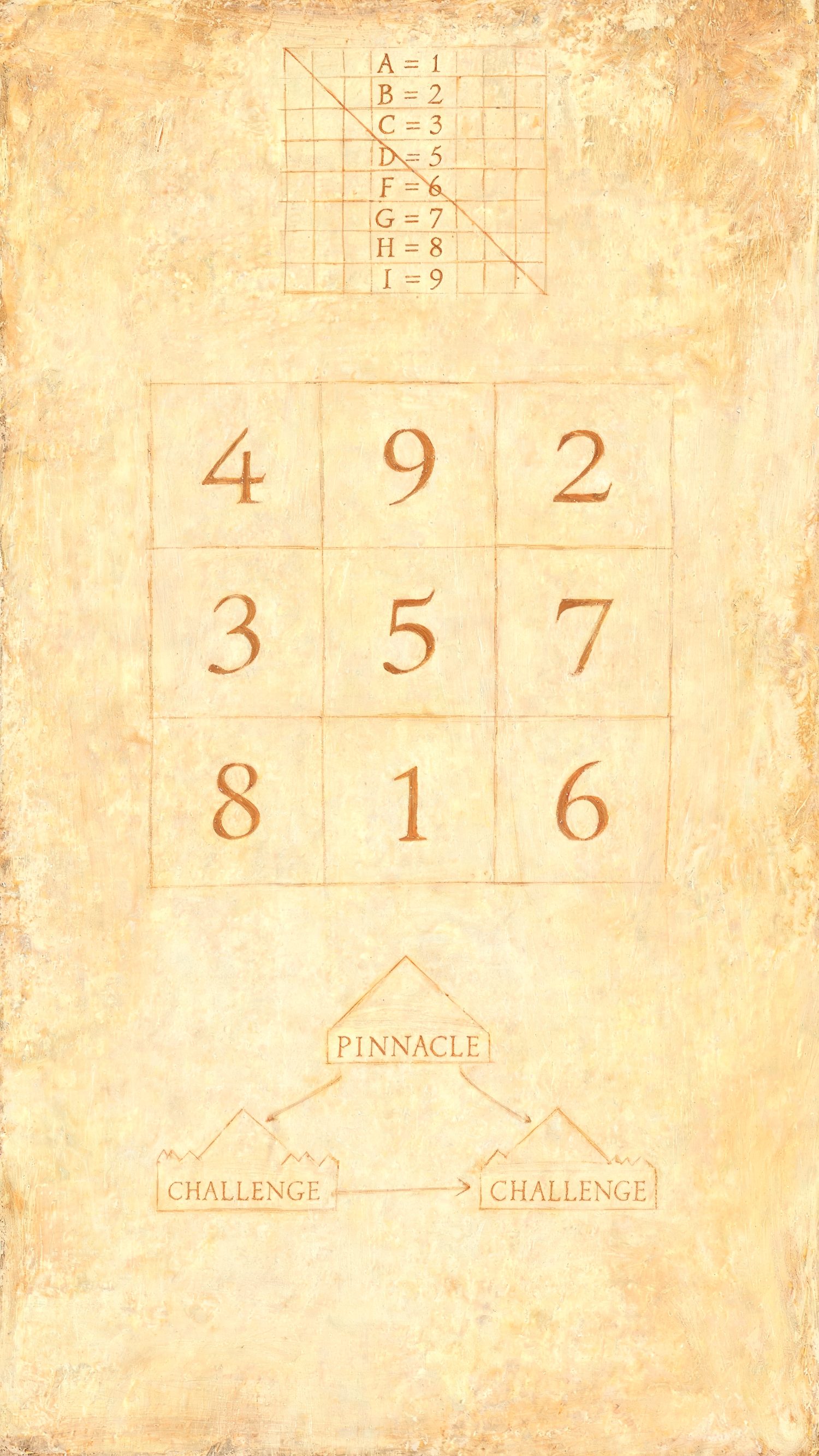
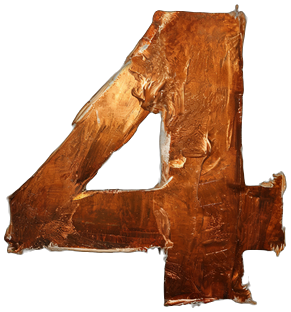 Folded inside that path is your Birthday number, 6, a specific gift of care: responsibility, beauty, and real devotion to your home circle. It softens the strict builder into someone who builds for people rather than for the ledger. Your Attitude number is 3, the first weather you give off before anyone knows you well, and a 3 arrives light, verbal, and easy to like. So strangers meet a warm, chatty surface and only later find the serious foundation-layer underneath, which tends to catch people pleasantly off guard.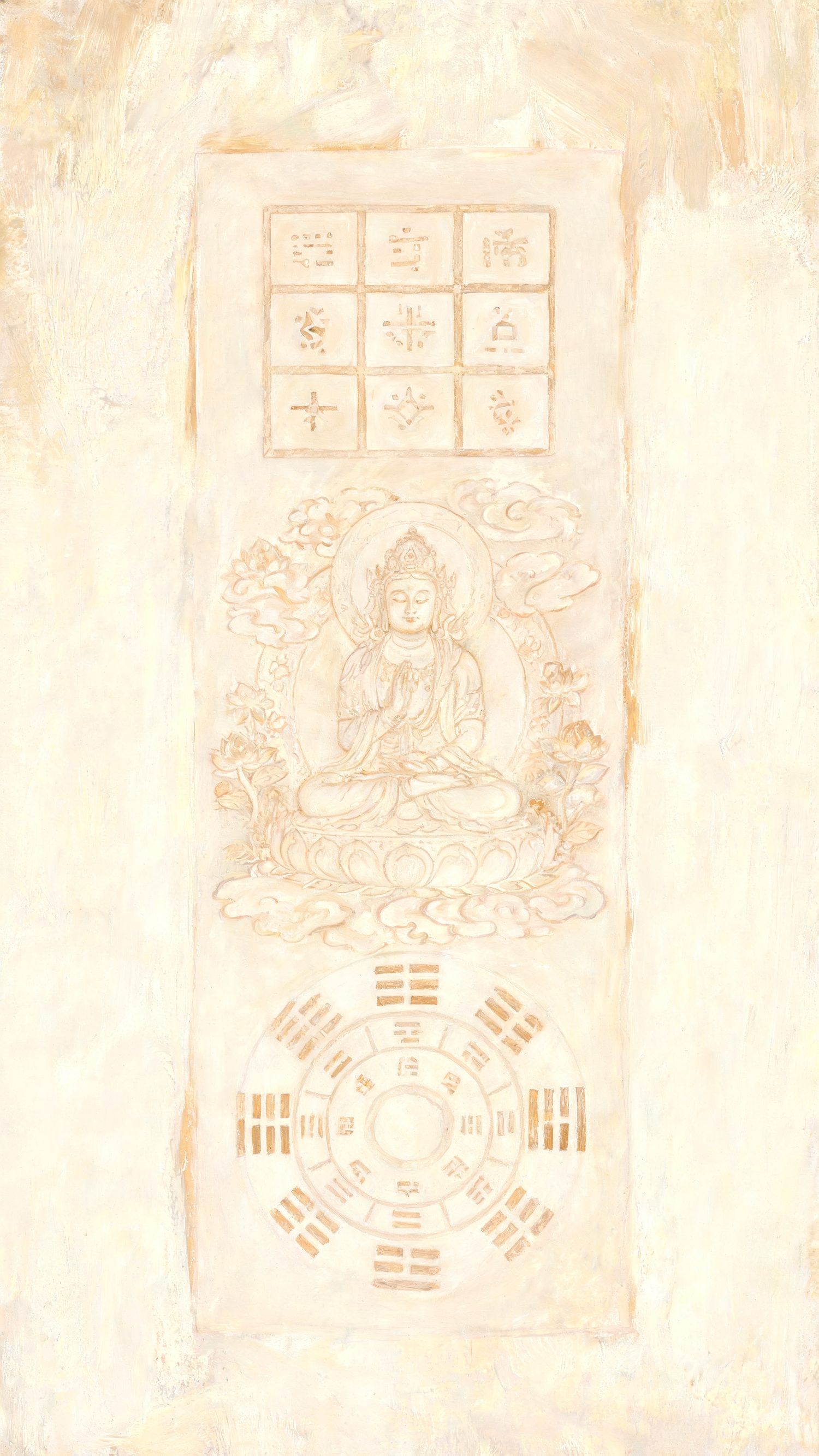
 The polarity here is yang, which in this system means outward and initiating rather than inward and receiving, so the fire in you moves first and explains itself later. This is not loudness for its own sake; it is a constitution that reaches before it hesitates, one that would rather begin a thing and correct it than wait for a flawless signal. You will recognise it on any ordinary morning when you find yourself three steps into a plan the rest of the room is still discussing. You are warmed up and moving while others are still deciding whether to start.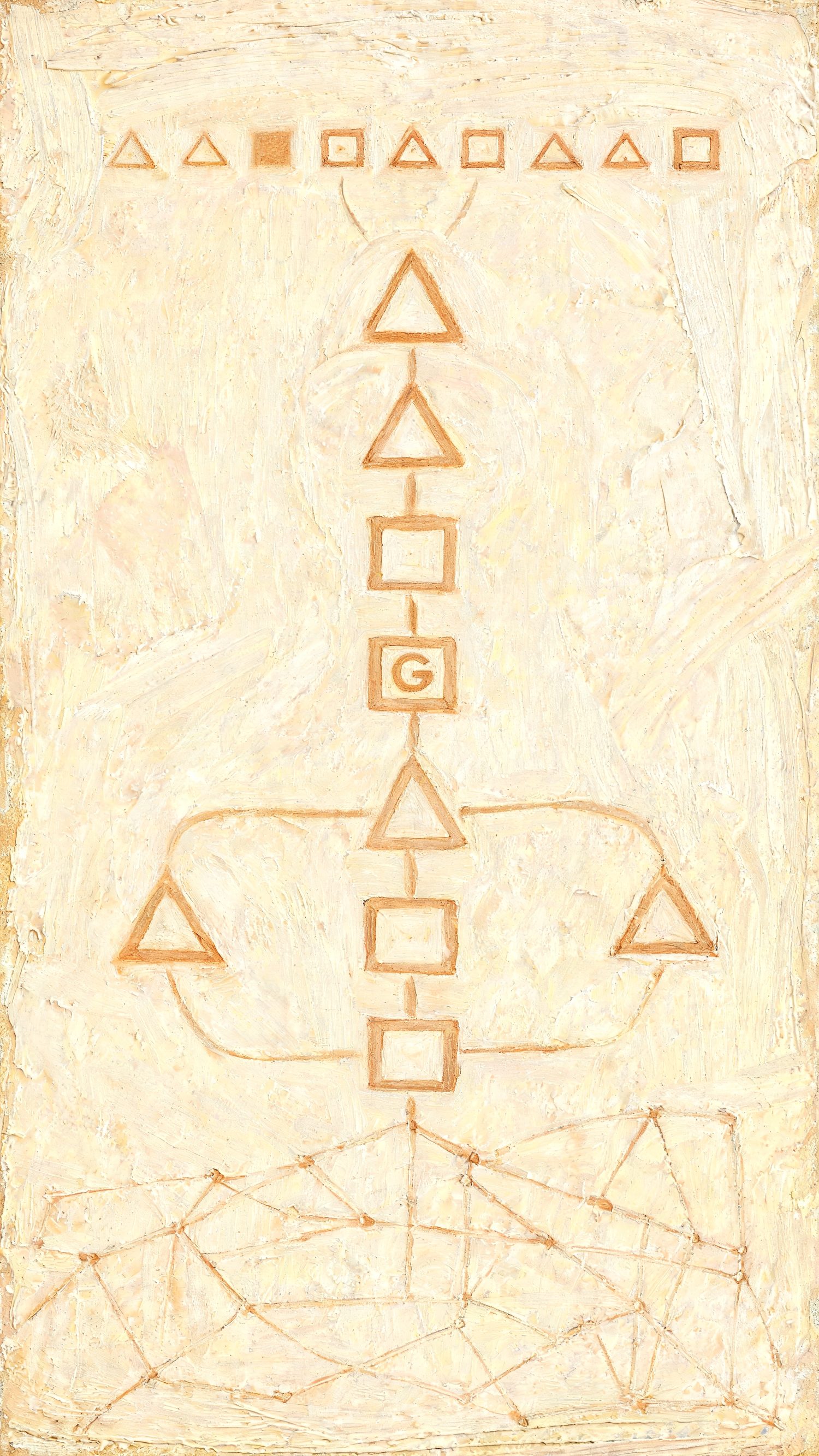
 Your inner authority is emotional, run from the solar plexus, the feeling centre that moves in a slow wave. Your truth is rarely in the first bright yes; it lives in how that yes still feels after a night or two has passed. Deciding on the spot is the one move this design cannot afford, and it costs you nothing to honour the wait and a great deal to ignore it. Your profile is the 5/2, the heretic and the hermit in one person: you are called out to solve other people's problems in public, and you are equally built to disappear and refill in private.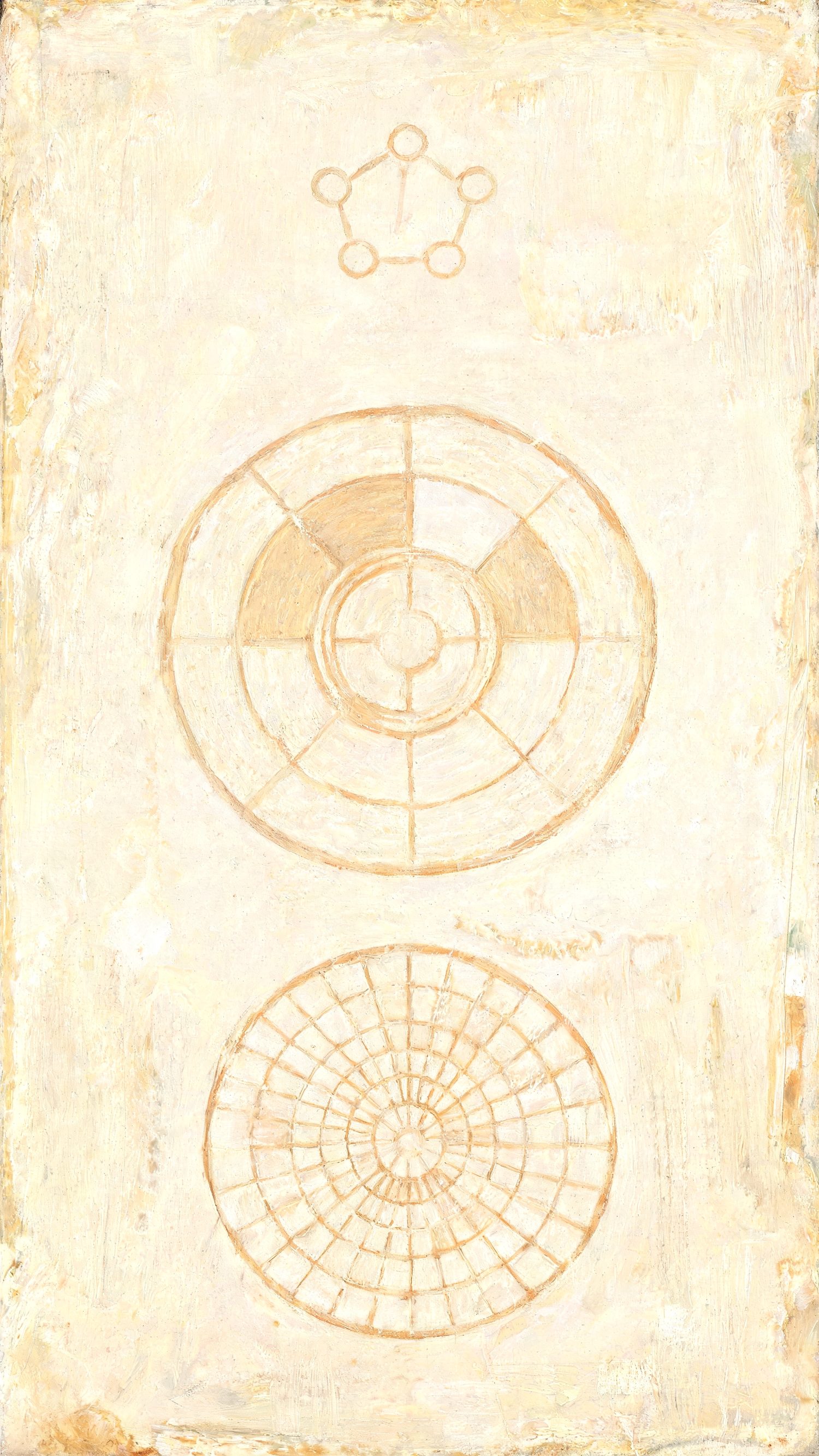
 The next three spheres describe the inner work that gift travels through. Your Evolution is gate 10.5, the Behaviour of the Self, the ground you grow on, so your challenge and your medicine are both about how you actually conduct yourself when no rule is watching. Your Radiance, the quality that makes you magnetic when you are well, is gate 17.2, called Opinions, the clear view that lands as calm rather than argument. Your Purpose is gate 18.2, Correction, the instinct to see what is off and mend it, which serves you when it is aimed at broken systems and wounds you when it is aimed at people you love.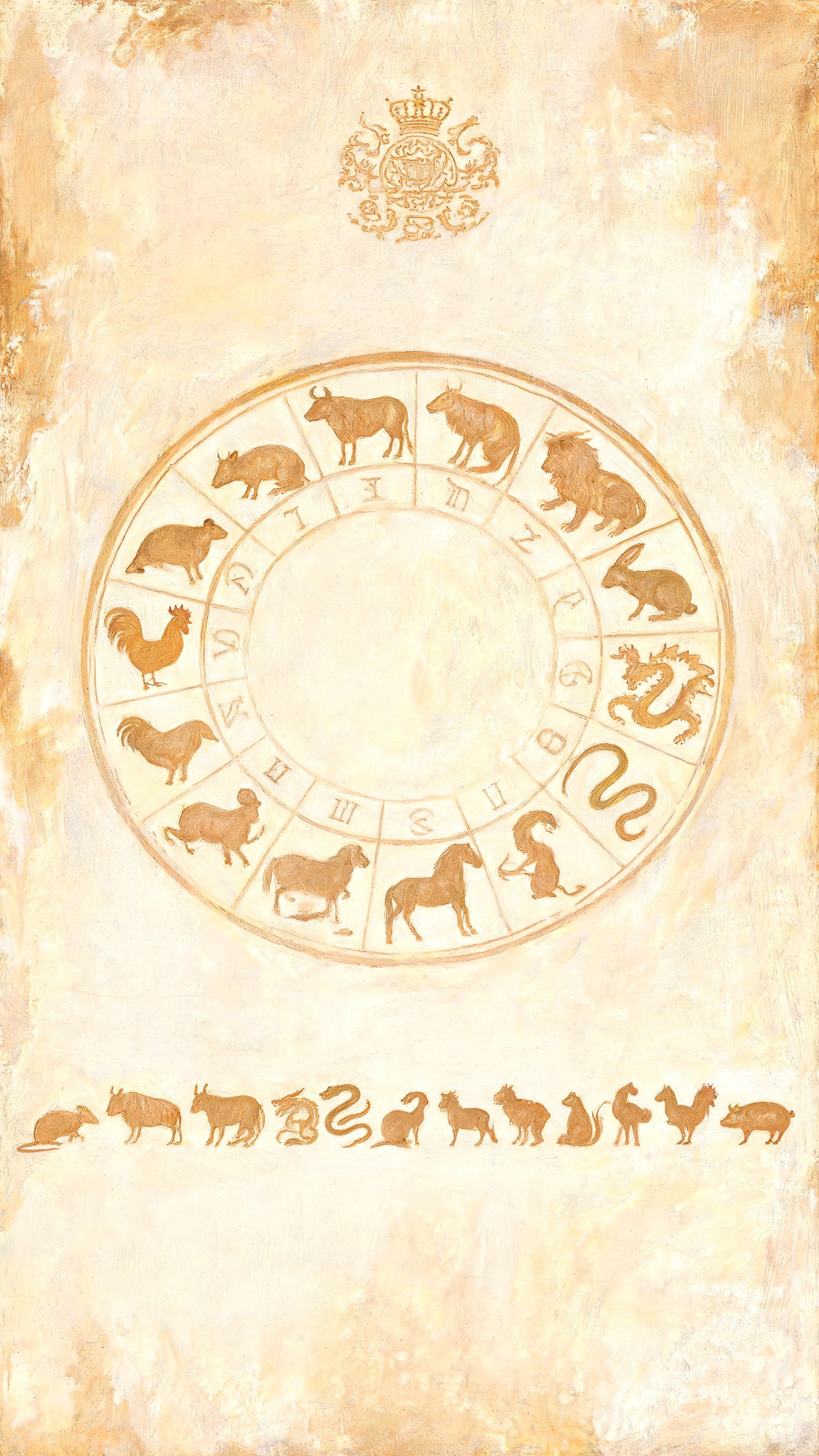
 Beneath the year animal sits your inner animal, set by the month of your birth and describing what actually drives you when no one is watching, and yours is again the Horse. That doubling is worth naming: what you show and what moves you are the same creature, so there is very little daylight between your public face and your private engine. You are unusually undivided here. It means you can be trusted at your word, because the one making the promise and the one keeping it want the same thing, and it also means that any cage chafes you twice over.
 The old reckoning also maps your natural allies and your friction. Your three harmonies are the Dog, the Horse, and the Tiger, the company in which your forward drive is understood and matched. Your clash is the Rat, the temperament most likely to want the caution and hoarding that your Horse cannot abide. You will notice it plainly enough: certain people leave you feeling faster and freer, and one particular kind leaves you feeling reined in for no reason you can name. This zodiac, the cycle of twelve animals kept across East Asia, reads a birth by its year, month, and hour, three animals stacked into one person.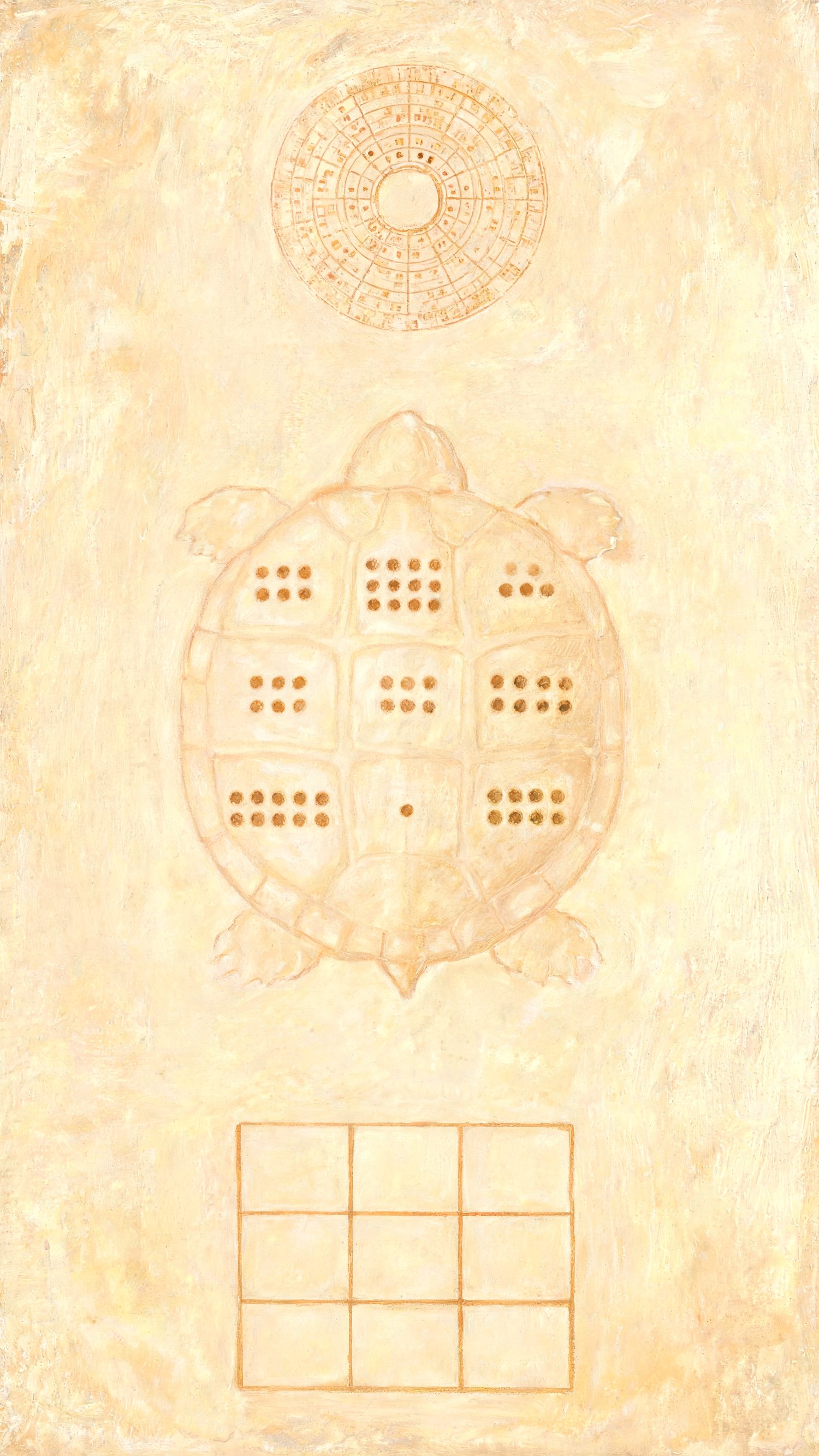
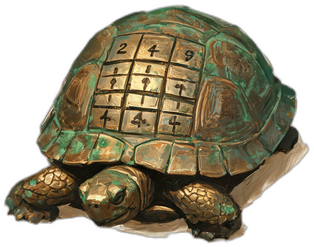 The next repeated number is the 6, present twice, which this system files under helpers, mentors, and the people who arrive when you are stretched. Doubled, it says you tend both to attract support and to give it, that the right person often appears at the right hour more often than chance alone would predict. The practical reading is that you should ask sooner than pride allows, because the grid insists the helpers are there and your only real failure mode is refusing to call on them. You are well staffed by life; the work is letting yourself actually be helped.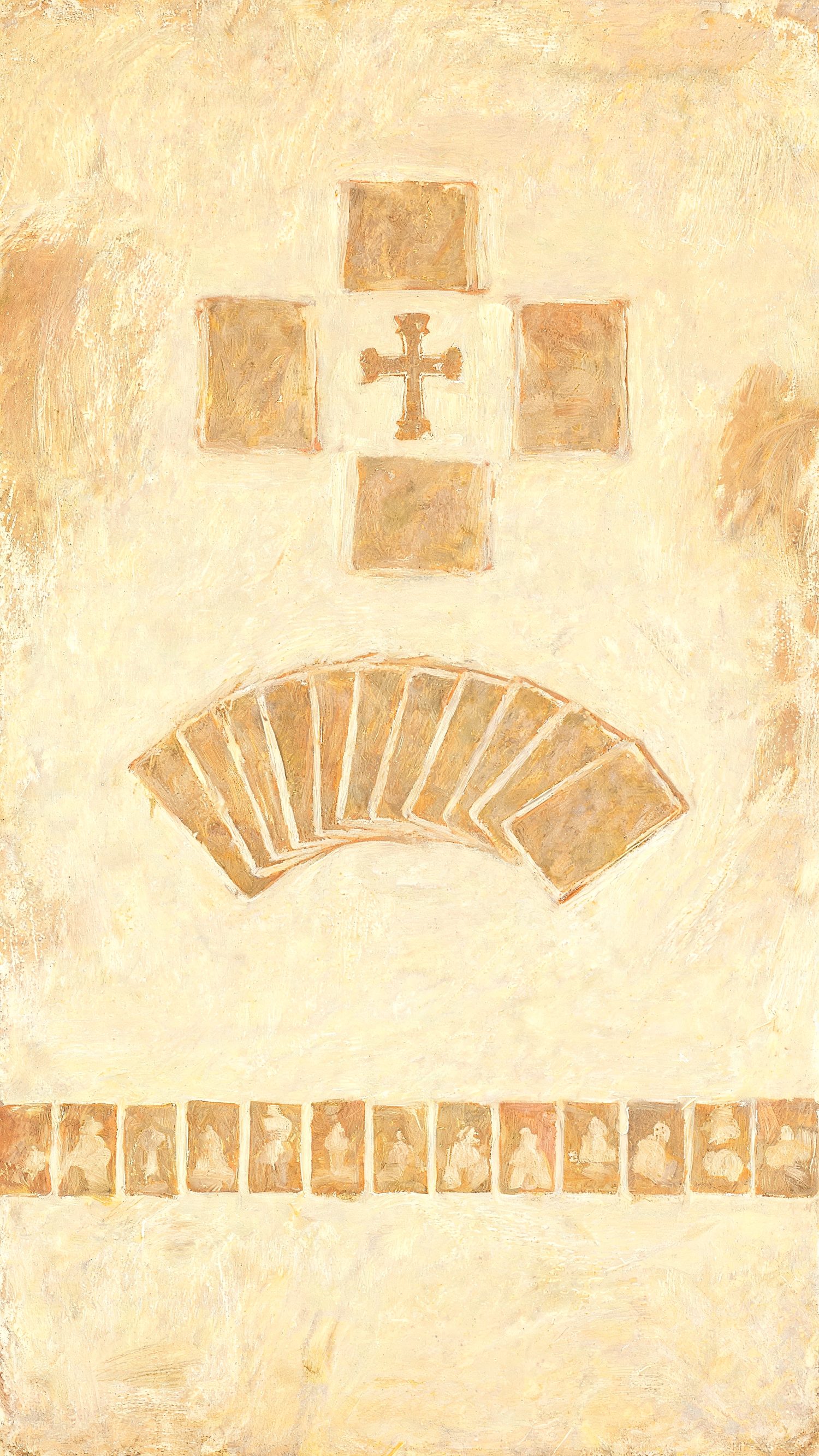
 Beneath that outer card sits your Soul card, the Empress, the quieter and older motive the Hanged Man serves. The Empress is abundance and creative tending, the principle that makes things grow simply by being near them, the gardener rather than the architect. She says the deep aim under all your suspended patience is to nourish, to bring things and people to ripeness, to make a fertile place and keep it. Put the two together and a portrait appears: someone who hangs, upside down and unbothered, precisely so that what they tend can grow at its own true speed instead of a forced one.
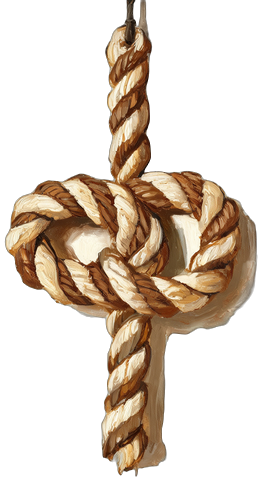
 Laid over the current twelve months is your Year card for 2026, and this year it is the Hanged Man again, the same suspended figure now doubled as both who you are and what the year asks. The reading is unusually plain. In 2026 you hang on purpose, letting a decision you have been forcing turn over on its own, and trusting that the reversed view arrives on schedules you do not set. Where you have been pushing, stop and flip the question, and ask what this year would look like if the pause were the point. These cards, drawn from the tarot's major images and fixed by your birth date rather than shuffled, name a curriculum, not a fortune.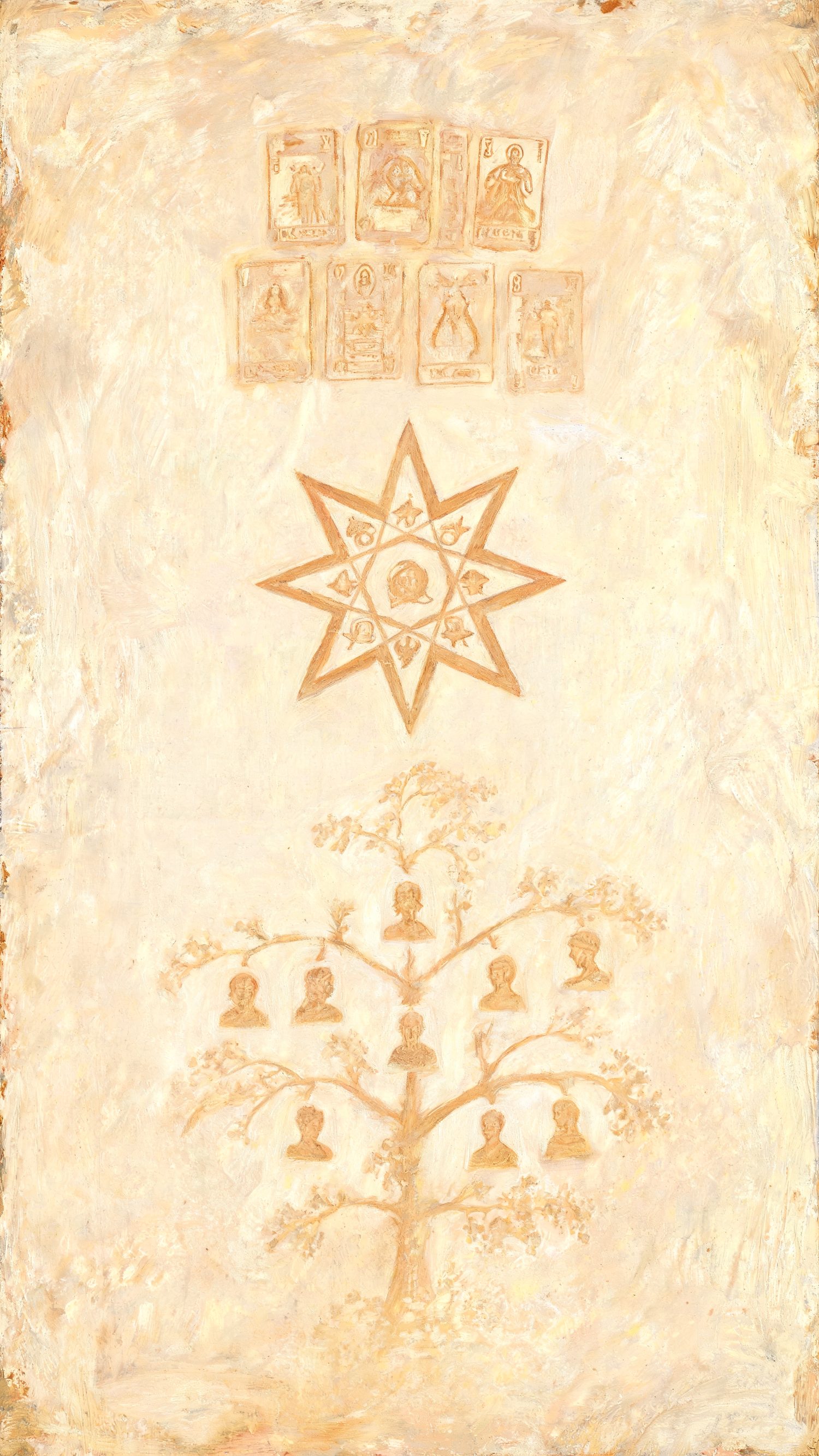
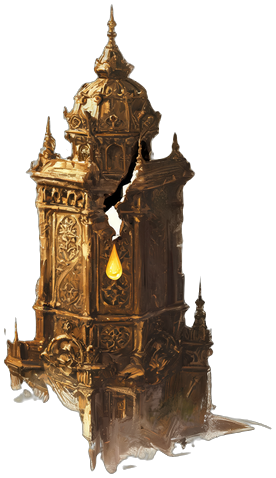 Running underneath that purpose is your central talent, the point called the Heart, and its card is Temperance, the patient marriage of opposites into a workable third. This is the gift the collapse is meant to move through. Where other people pick a side and defend it, you tend to hold two true things at once and pour them slowly back and forth until a third option appears that neither side had seen. In a stalled argument you are often the one who says the sentence that is neither a compromise nor a win, a genuinely new floor both people can stand on.
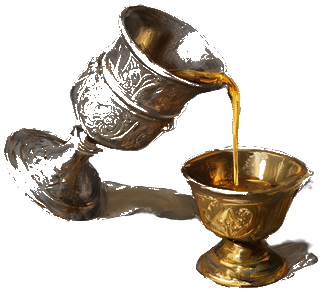 The most concrete point is the Income, and its card is Judgement, the call to rise and the reckoning that re-sorts a life, which says support reaches you when you answer a summons rather than chase a wage. Your inherited material is named on two more points: the Father line is the Lovers, the choice that joins and clarifies value by commitment, and the Mother line repeats Judgement, the same summons handed down. This octagram, a diagram that reaches each card by arithmetic on your birth date rather than by drawing one, keeps telling you the same thing, that you are here to be called upward and to answer.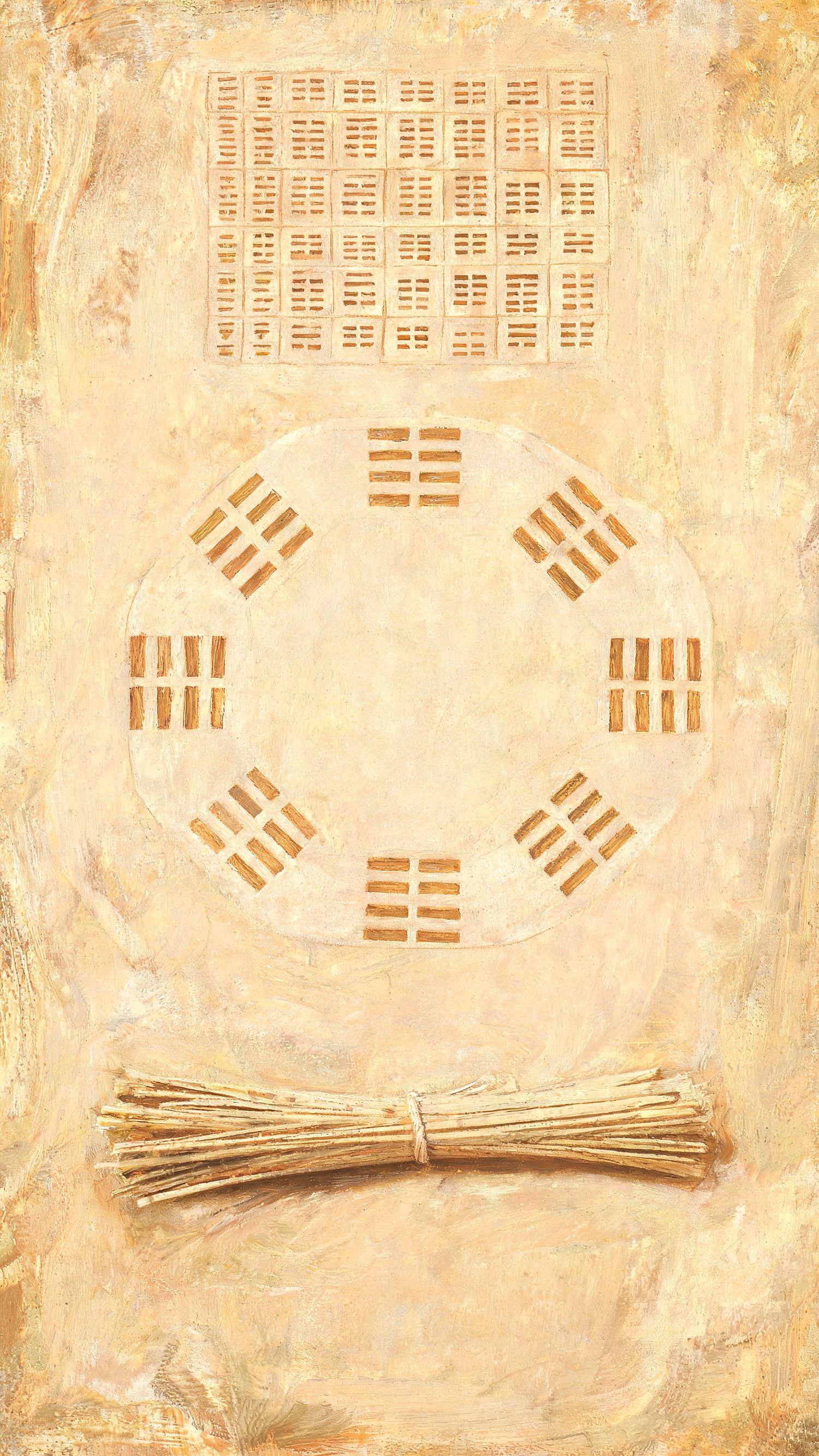
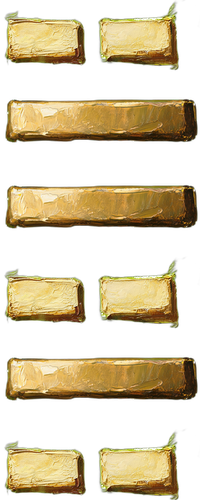 The two halves say how you meet that. Your lower trigram, the inner ground you begin from, is Water, called the abysmal, danger met by flowing through with depth rather than fleeing it. Your upper trigram, how that inner ground turns to face the world, is Lake, called the joyous, the openness and pleasure of honest exchange. So the shape of you is deep water underneath and an open, companionable surface above. People are often surprised to learn how much you were carrying, because you kept talking, kept trading, kept the door open, while the reserves ran thin below.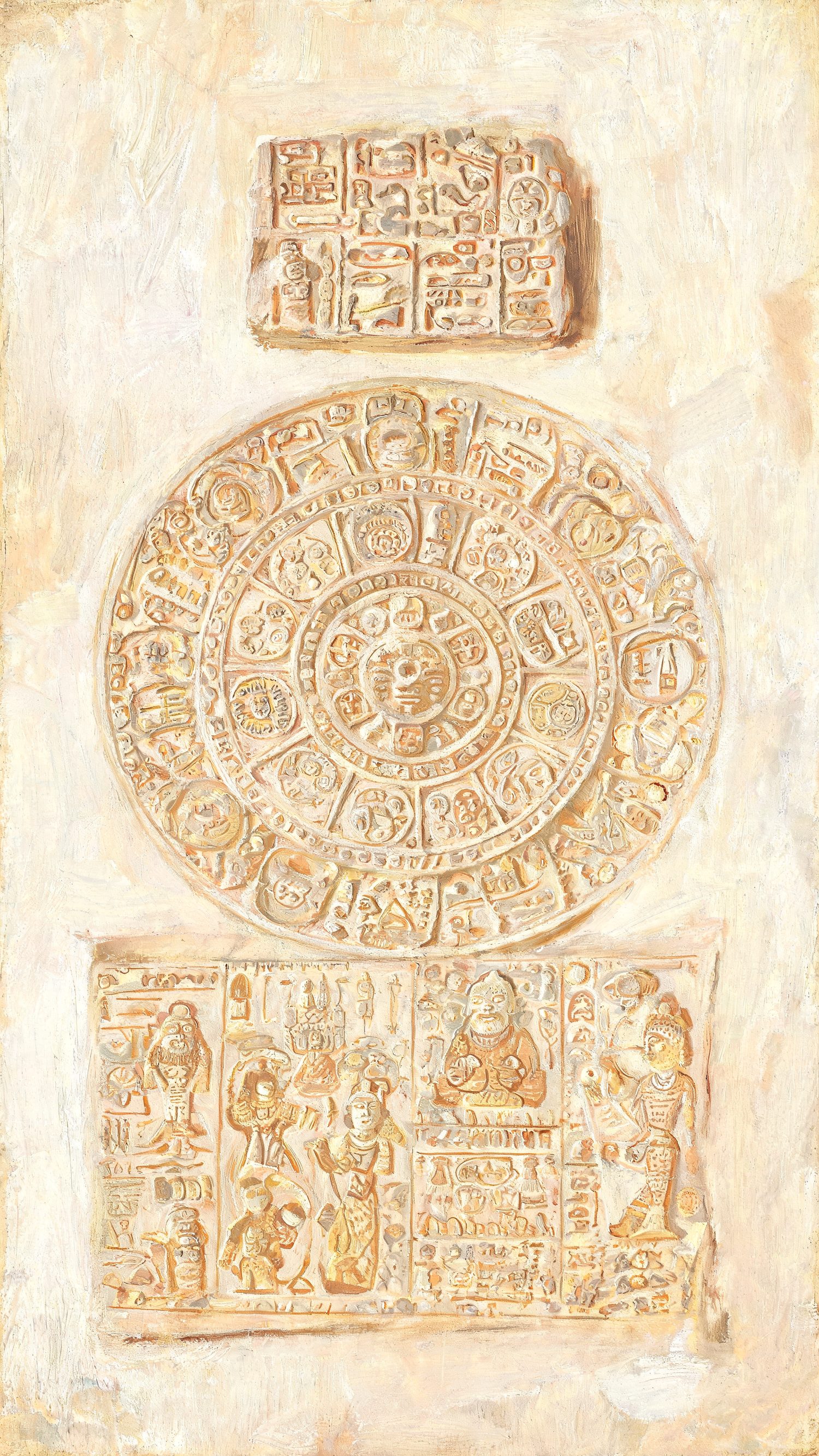
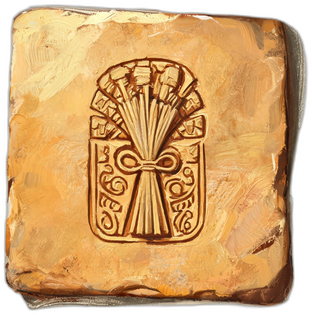 The reed is tuned by a number the count calls the galactic tone, a beat from one to thirteen that sets the pitch of the day, and yours is the tenth. Low tones open a thing, middle tones build it, and the high tones near the top refine it and bring it to form. Tone ten sits late in that arc, among the shapers who take something already growing and give it finished structure. You are rarely the person who starts the fire; you are the person who arrives once it is burning and turns the blaze into a hearth that can actually be used.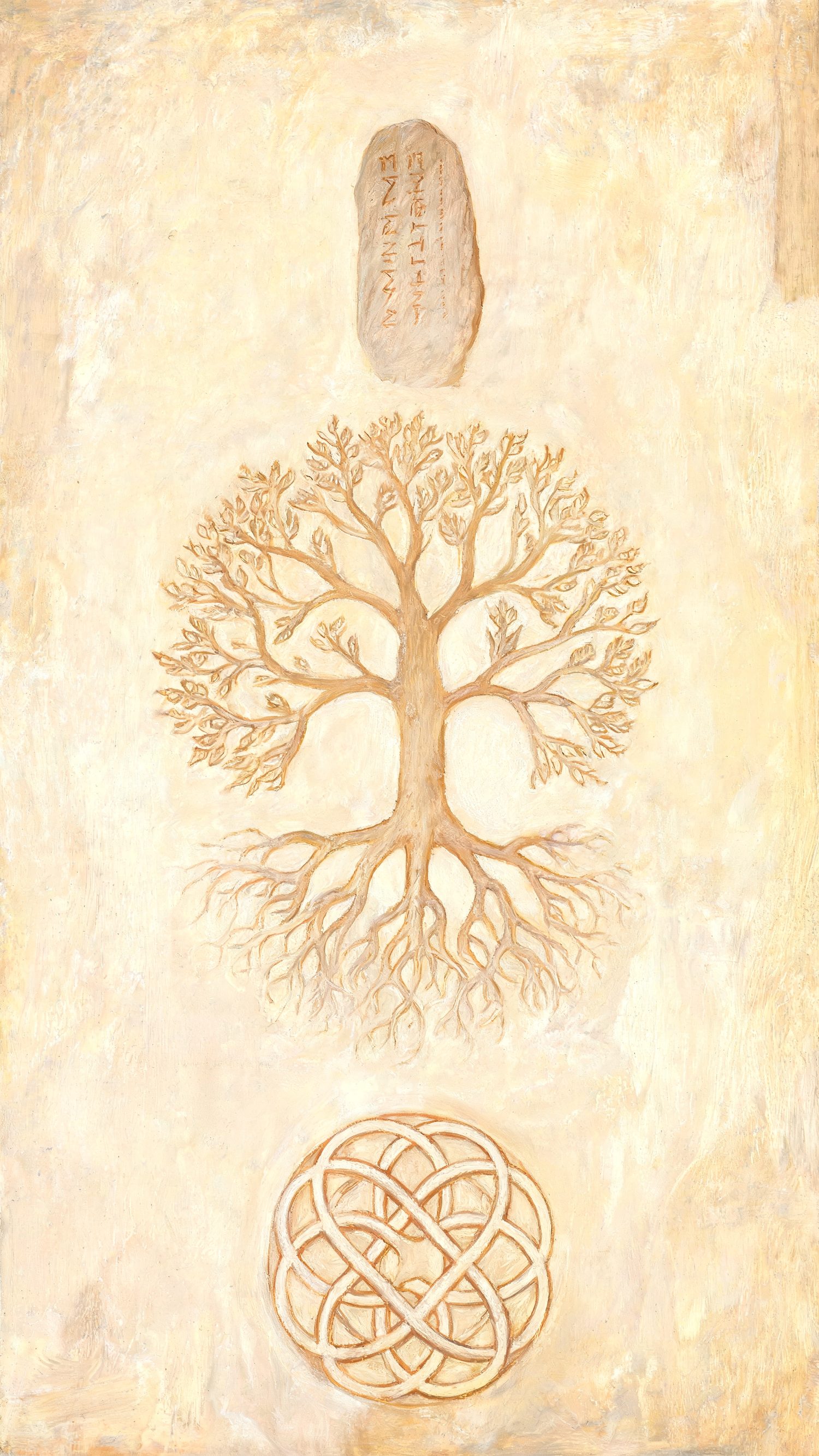
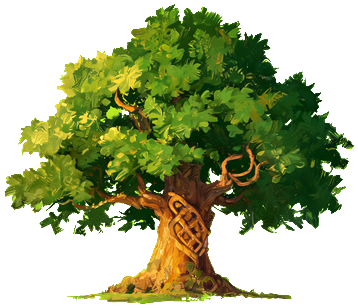 The letter of the old alphabet that marks your span is Duir, the sign for the Oak, and the word sits close to the root that gives us the word door. That is a fitting double meaning for you. A well-rooted Oak is also a threshold, a fixed and trustworthy point that others pass through and return to. In a family or a circle you tend to become that doorway, the reliable one people check in with, the address that does not move. When someone needs a solid place to stand before a hard decision, you are often exactly where they come.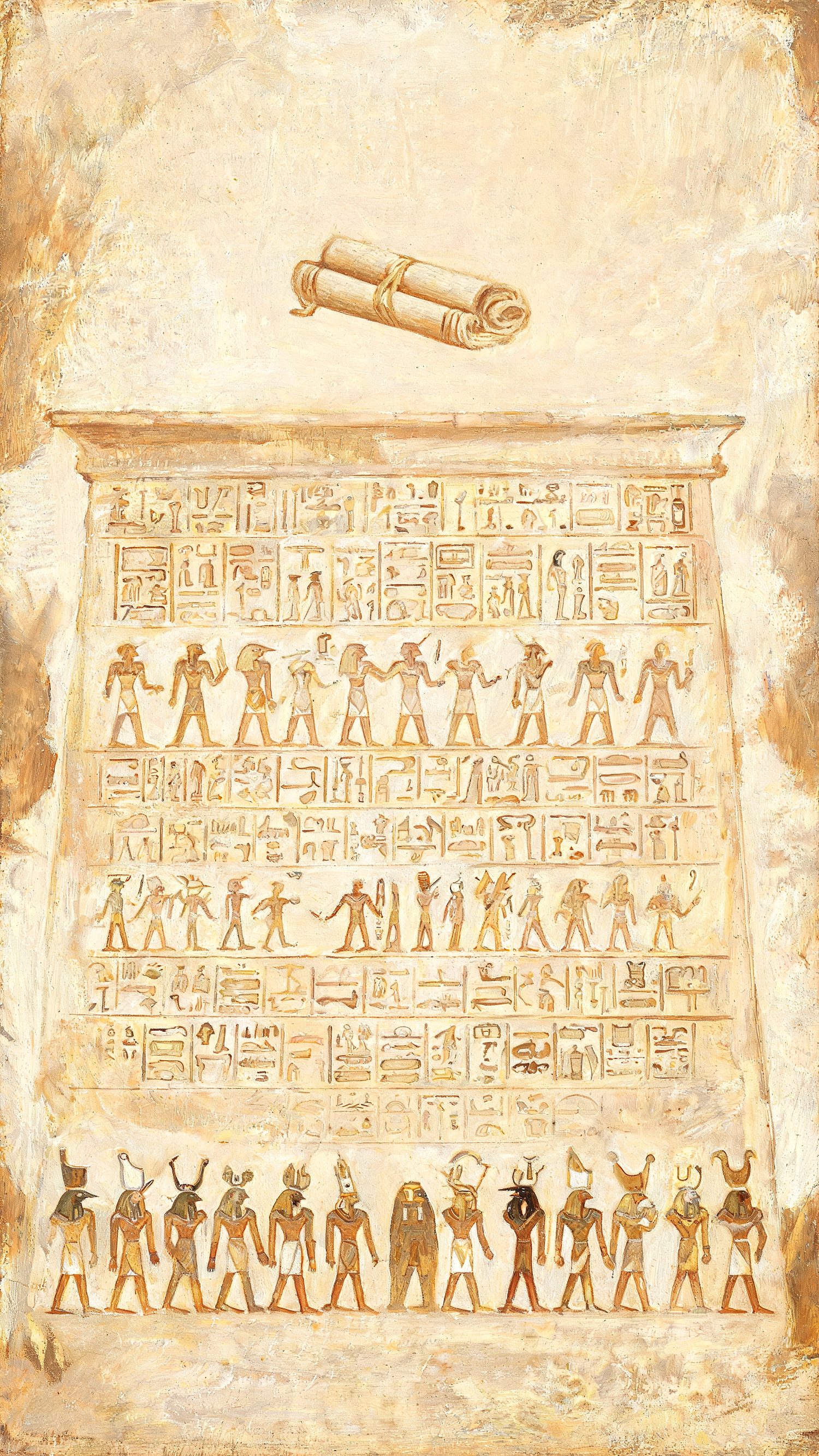
 What the river teaches is rhythm, and it is your rhythm. The Nile withheld and then flooded, a long quiet followed by a single overwhelming rise that renewed everything at once. Your own giving tends to run the same way. You store in silence for a long stretch and then deliver a flood, a finished thing that arrives all together and changes the field, rather than a trickle of constant small output. Anyone who mistakes your quiet months for idleness is reading the dry season and missing the water building steadily upstream.
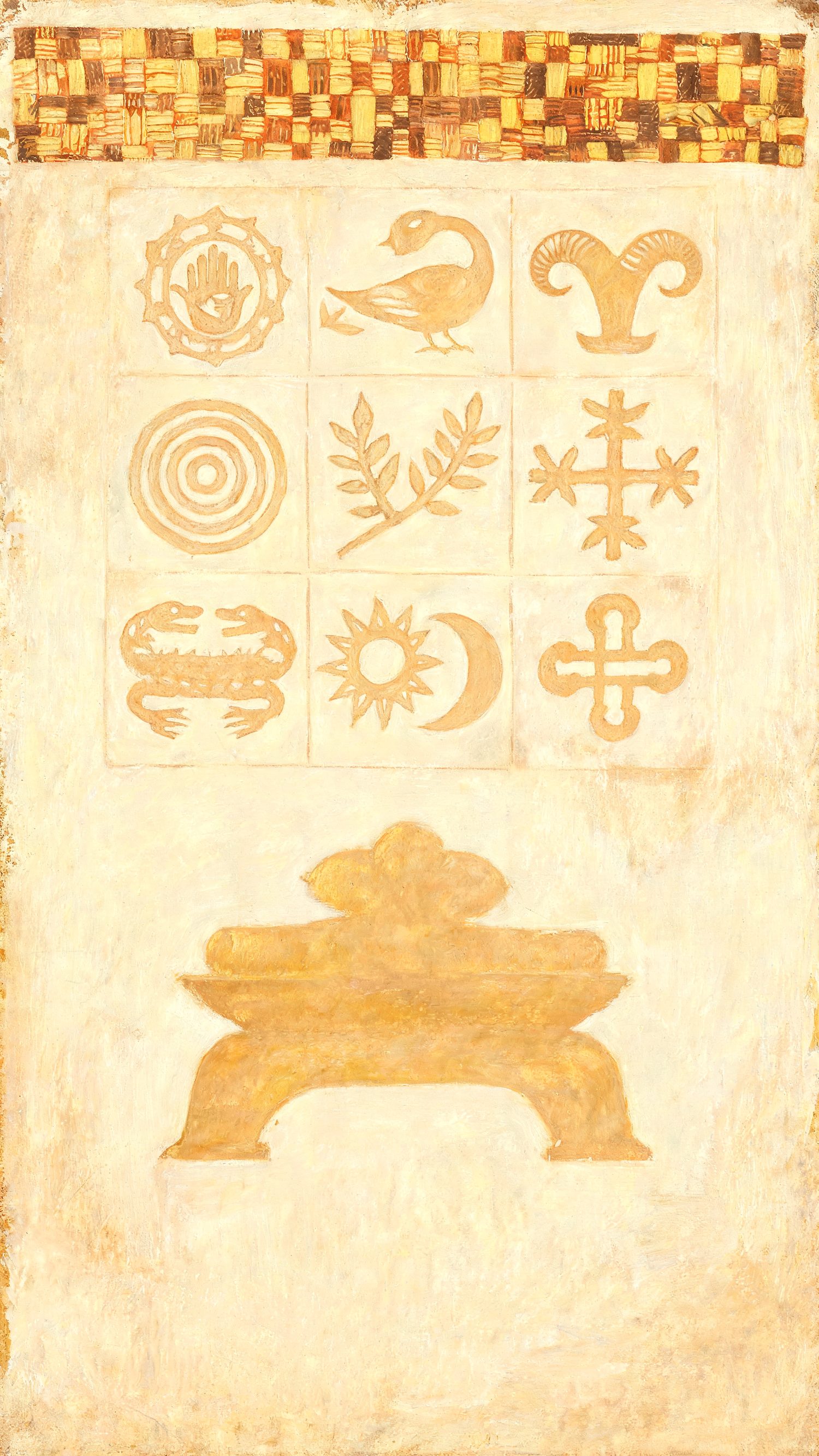
 The Wednesday soul is read through Ananse, the spider, the trickster whose web is the first story and whose fame travels farther than the body that spun it. The archetype names a specific gift: you get known for what you make and say, and not for standing where the light is brightest. The spider leaves the fly alone and builds a patient structure instead, letting the world arrive into it on its own. Expect this pattern in your life. The work you quietly build will carry your name into rooms you never entered, and people will know the web long before they ever meet the weaver behind it.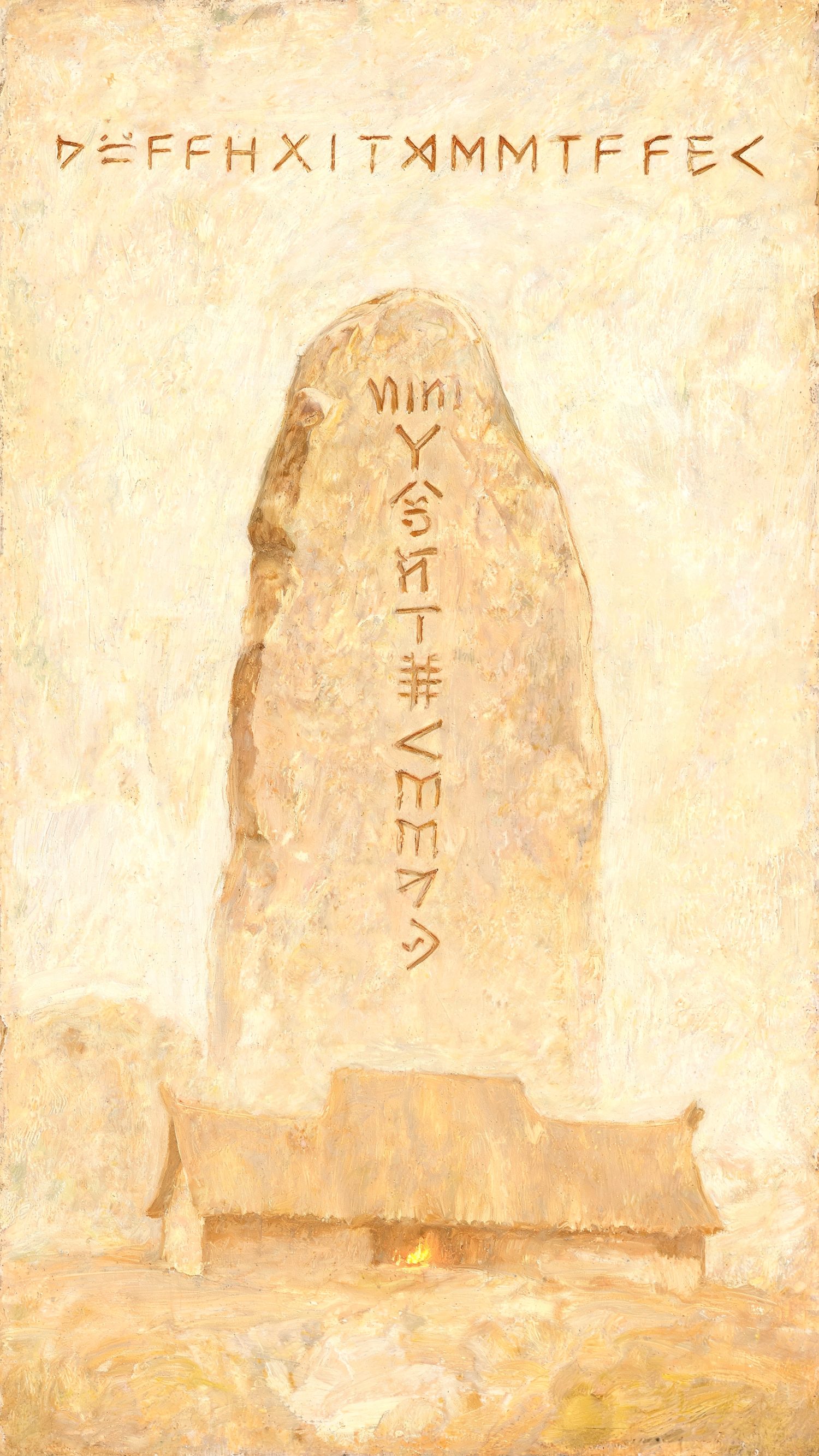
 Othala reads inheritance as a working question rather than a sentiment. It asks what is actually yours to keep, and what you are merely storing for someone else out of long habit. You feel this as a low, persistent pull toward a home base, a craft, a name, or a plot of ground that no one can revoke. Notice the pattern in how you spend yourself. You will pour years into things you can own and keep, and lose interest quickly in arrangements where the value evaporates the moment you stop paying, because the rune wants an estate and not a subscription.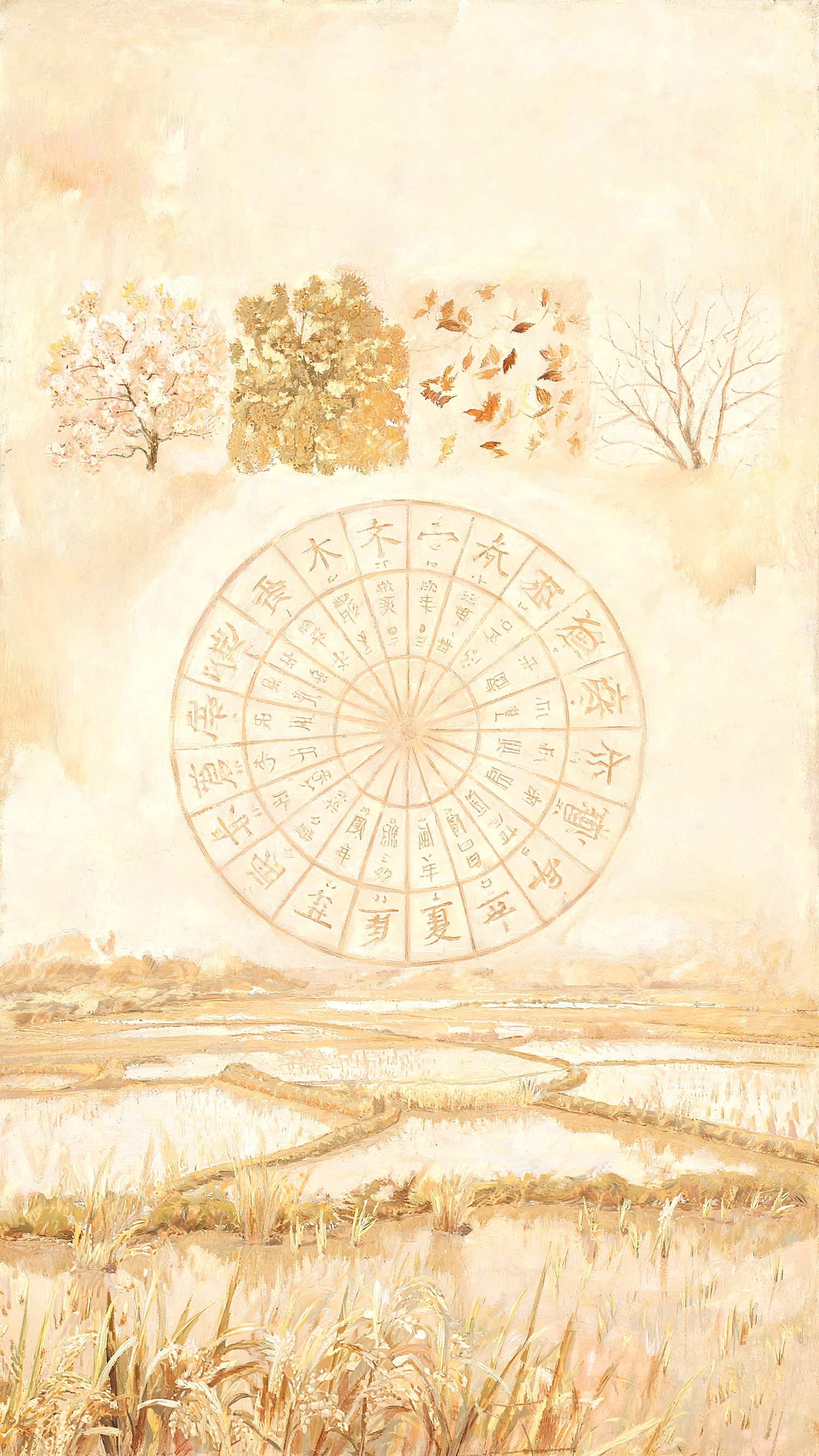
 The solstice is abundance at its brim, warmth and growth at their maximum, the fields green and the day refusing to end. Born here, you run warm and generous when things are full, and you are at your best where there is plenty to give rather than scarcity to guard against. But the term also teaches the turn. Watch how you handle a peak. When a project or a season crests, you feel the change coming before others do, and you begin quietly preparing for the descent while everyone around you is still celebrating the height.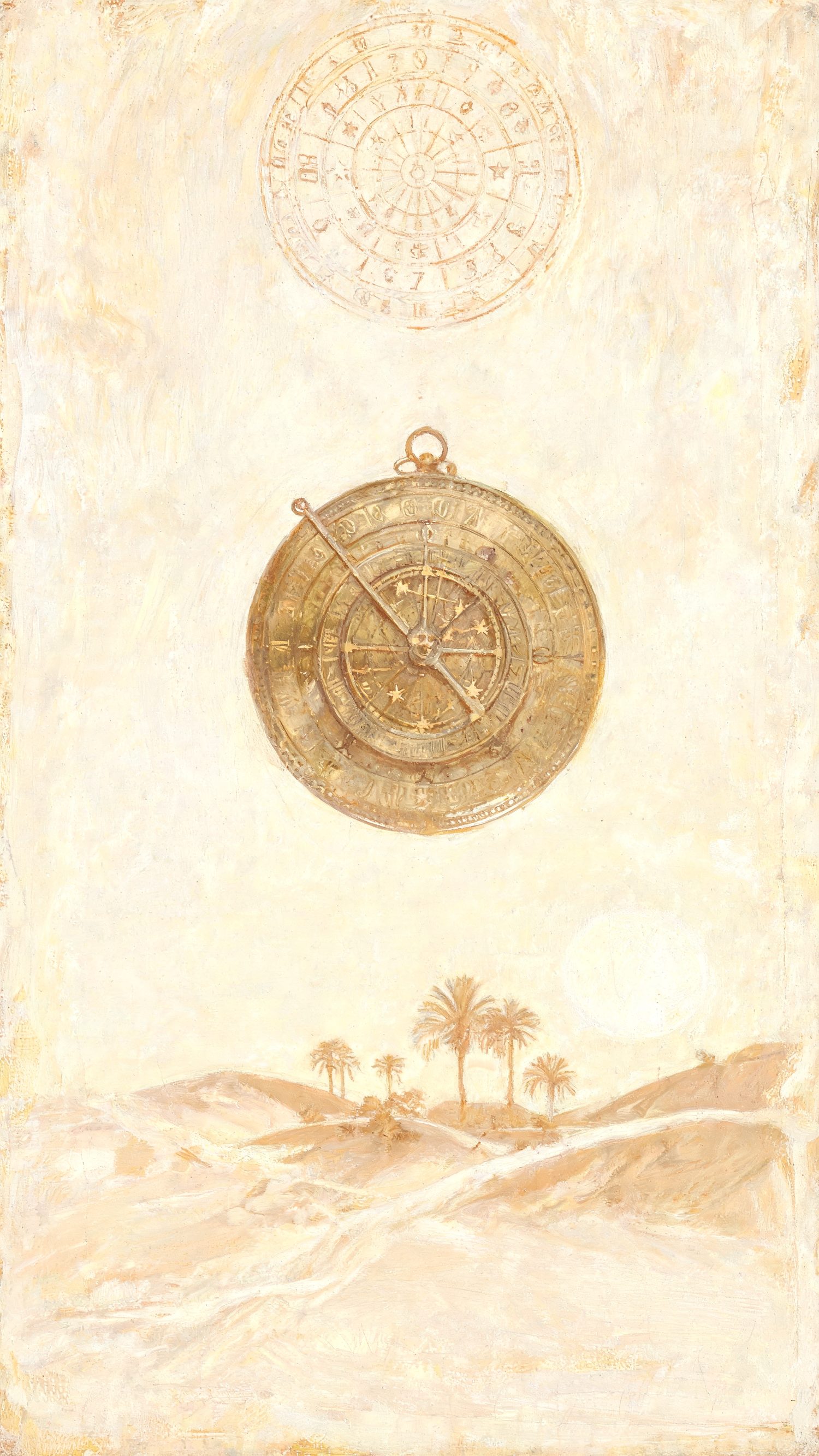
 The crown is a specific instruction about how you hold power. Al Iklil reserves its honour for the one whose bearing makes a throne look natural, the person others defer to rather than the person who grabs. Your authority works best worn lightly, as grace instead of force. Test it against your own memory. When you have tried to command a room by pushing, it has gone stiff and resistant, and when you have simply carried yourself as though the standing were already yours, people have fallen in behind you without being asked. The mansion rewards dignity, and it withholds from domination.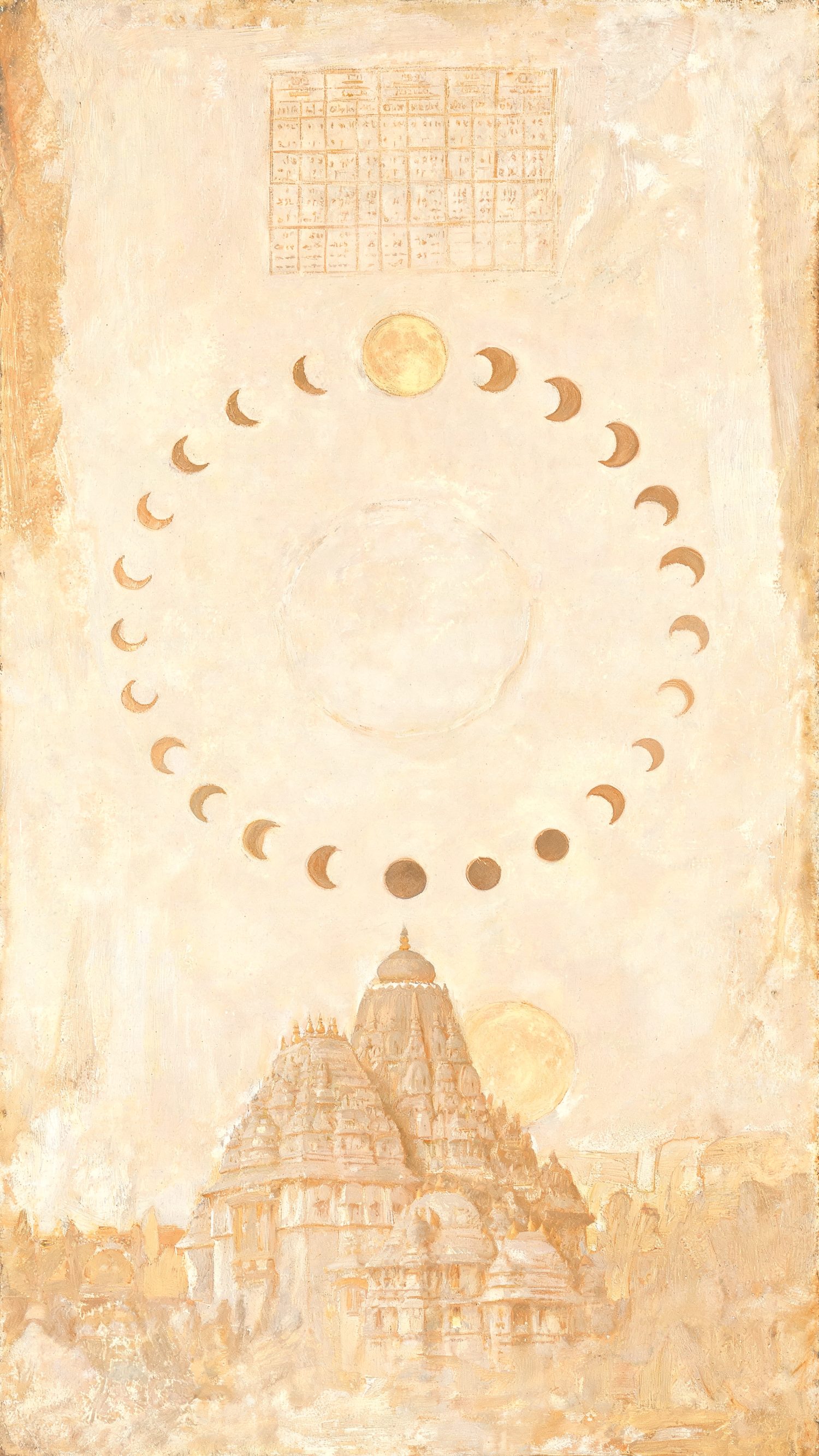
 Dashami carries the temper of virtue, gentleness, and right action, the day the old calendar marks as fit for steady, honourable work. It is a builder's day inside the lunar month, made for keeping promises and doing the correct thing without any fuss about it. This shows in how you move through ordinary life. You are the one who does right quietly when no one is checking, who returns the extra change and finishes the task the way it was meant to be finished, and who finds loud virtue slightly embarrassing. The rightness is a reflex in you rather than a performance for anyone watching.