Modern Science is the youngest of all the traditions in this reading, Kaiah, a few decades of published measurement standing beside systems that count their age in centuries. Because it is young it earns its place differently, so this section reads as a research note. Each hypothesis names a tendency your computed profile points toward, lays out the published evidence for people who share that tendency, and says how much weight the evidence can bear. Every claim describes likelihood in a population, never a verdict on one person.
Hypothesis one: rooms tend to hand you the chair, and you track what the room sees while it happens. The classic meta-analysis of the personality and leadership literature, reworking decades of small-group studies through validity-generalization procedures, found that intelligence, dominance, and masculinity-femininity hold up as generalizable predictors of who gets perceived as a leader [3]. Observers, on that account, carry a stored prototype of what a leader looks like and hand standing to the closest match. Your computed profile runs toward self-direction and command, the region where that match keeps landing, so the likelihood of being read as the leader rises in almost any room you enter. The caveat stays beside the landmark: the effect lives in perception, in who gets classified as a leader, and it says less about who leads well once seated.
Three further instruments sharpen how you manage that attention. Snyder's 1974 self-monitoring scale, 25 items, identified a stable trait whose high scorers read audience cues and tune their self-presentation to fit each context, tracking the situation far more closely than low scorers do [14]. The need for uniqueness scale, validated in 1977, measures the pull to differentiate from the group and resist conformity, and your computed profile points toward the differentiating end [15]. The sociometer experiments found state self-esteem tracking perceived inclusion in something close to real time, with moderate to large shifts under laboratory rejection and acceptance [13]. A 2012 meta-analysis adds the drive channel: a promotion focus routes personality traits into approach-oriented achievement at work, where a prevention focus routes them into vigilance [12]. Confidence across this cluster is strong; these are landmark instruments with decades of replication behind them. The Akan tradition of West Africa, which names each person for the weekday of their birth, reaches the same trait by its own route: it reads a Saturday birth, yours, as the ancient soul, the one born to lead.
Hypothesis two: strain bends you without breaking you, and the record on people who share this tendency is unusually deep. The prospective bereavement study that followed 205 widowed adults from before the loss to 18 months after found stable low distress, the resilient pattern, the most frequent of its five trajectories, more common than prolonged grief [4]. Resilience also measures as a stable disposition in its own right. The Connor-Davidson scale, built on 577 general-population respondents, resolved it into five facets, tenacity, trust in instincts, positive acceptance of change, control, and spirituality, with internal consistency of .89 [5].
The pattern widens beyond single instruments. A 2006 systematic review tied a strong sense of coherence, the settled belief that the world is comprehensible, manageable, and meaningful, to better self-rated health, most consistently mental health [6]. Meta-analytically, hardiness, the triad of commitment, control, and challenge, runs with lower perceived stressors and strain and with active rather than avoidant coping [7]. Confidence is strong: three landmarks and a replicated meta-analysis point the same way. The Celtic tree calendar, which matches each span of the year to a tree, arrives at the same trait from its own direction. It places your birth under the Holly and reads that tree as noble resolve, the kind that weathers any reversal.
Hypothesis three: you keep a long clock, weighing what a choice costs later above what it pays now, and you pace by your own meter. The Zimbardo Time Perspective Inventory established that temporal orientation resolves into five reliable factors, with subscale reliabilities of roughly .74 to .80 across validation samples totaling more than 600 people [1]. Its balanced profile, flexible across situations, correlates with higher wellbeing than any dominant orientation. Consideration of future consequences, the measured tendency to weigh distant outcomes of one's own behavior, predicts future-protective habits at correlations around r = .20 to .35 and holds after related traits are controlled [8].
The caveat here is structural and belongs to everyone. Ainslie's synthesis of human and animal choice data showed the value of a delayed reward falling along a hyperbolic curve rather than an exponential one, which produces preference reversals [16]. However future-minded, a person can still flip toward the smaller, sooner option once it comes close enough. The pacing edge carries the softest evidence: polychronicity, a preference for running several strands at once rather than one at a time, measures as a stable style [17]. Its scale holds reliability of roughly .75 to .85 and correlates only weakly with ordinary time urgency, yet it rests on one large validation effort rather than a replicated literature. Overall confidence is moderate, strong on the structure of time perspective and tentative at the pacing edge. Human Design, a modern system first published in 1987 that types how a person best meets decisions, finds the same rhythm by its own route. It casts you as one built to respond rather than initiate, and to let a wave of feeling settle before committing.
Hypothesis four: your endurance runs long enough to carry a mapped cost, and recovery for you is a skill with a literature. Burnout resolves into three measurable dimensions, emotional exhaustion, cynicism, and a reduced sense of accomplishment, a structure that has replicated across dozens of occupational samples internationally [11]. Engagement runs on a separate lever: across four independent samples totaling 1,698 workers, burnout and engagement shared only 10 to 25 percent of their variance [2]. Job demands drove the first and available resources drove the second. For a person whose tendency is to stay at the table when the hours run long, the practical reading is plain: the exhaustion arm is the exposure, and rising demands over flat resources is the shape of the risk.
The counterweights are equally well measured. Work-related social support buffers the exhaustion arm specifically, at a corrected correlation of -.26, stronger than its tie to either other burnout dimension [9]. The largest file belongs to recovery itself: across 316 samples and 99,329 working adults, psychological detachment, genuinely putting the work down, showed the most robust negative association with exhaustion of the four recovery experiences [10]. Confidence is strong; this is among the best replicated territory in organizational psychology. The Western birth chart reaches the same place in symbol. It sets your Sun, its figure for core vitality, in the twelfth house, the sector read as the most hidden and inward part of the sky, a brightness that recharges out of view. One finding rides along as a minor note, and it belongs to the era rather than to you. The General Social Survey, polling more than 33,000 American adults, tracked the share who see premarital sex as acceptable rising from 29 percent in the early 1970s to 58 percent by 2012 [18]. It measures ground moving under every birth cohort at once, and it says nothing about any one life standing on it.
[1] Zimbardo, P. G., & Boyd, J. N. (1999). Putting time in perspective: A valid, reliable individual-differences metric. Journal of Personality and Social Psychology, 77(6), 1271-1288.
[2] Schaufeli, W. B., & Bakker, A. B. (2004). Job demands, job resources, and their relationship with burnout and engagement: A multi-sample study. Journal of Organizational Behavior, 25(3), 293-315.
[3] Lord, R. G., De Vader, C. L., & Alliger, G. M. (1986). A meta-analysis of the relation between personality traits and leadership perceptions: An application of validity generalization procedures. Journal of Applied Psychology, 71(3), 402-410.
[4] Bonanno, G. A., Wortman, C. B., Lehman, D. R., Tweed, R. G., Sonnega, J., Carr, D., & Nesse, R. M. (2002). Resilience to loss and chronic grief: A prospective study from preloss to 18-months postloss. Journal of Personality and Social Psychology, 83(5), 1150-1164.
[5] Connor, K. M., & Davidson, J. R. T. (2003). Development of a new resilience scale: The Connor-Davidson Resilience Scale (CD-RISC). Depression and Anxiety, 18(2), 76-82.
[6] Eriksson, M., & Lindström, B. (2006). Antonovsky's sense of coherence scale and the relation with health: A systematic review. Journal of Epidemiology and Community Health, 60(5), 376-381.
[7] Eschleman, K. J., Bowling, N. A., & Alarcon, G. M. (2010). A meta-analytic examination of hardiness. International Journal of Stress Management, 17, 277-307.
[8] Strathman, A., Gleicher, F., Boninger, D. S., & Edwards, C. S. (1994). The consideration of future consequences: Weighing immediate and distant outcomes of behavior. Journal of Personality and Social Psychology, 66(4), 742-752.
[9] Halbesleben, J. R. B. (2006). Sources of social support and burnout: A meta-analytic test of the conservation of resources model. Journal of Applied Psychology, 91(5), 1134-1145.
[10] Headrick, L., Newman, D. A., Park, Y. A., & Liang, Y. (2023). Recovery experiences for work and health outcomes: A meta-analysis and recovery-engagement-exhaustion model. Journal of Business and Psychology, 38, 1-32.
[11] Maslach, C., Schaufeli, W. B., & Leiter, M. P. (2001). Job burnout. Annual Review of Psychology, 52, 397-422.
[12] Lanaj, K., Chang, C.-H., & Johnson, R. E. (2012). Regulatory focus and work-related outcomes: A review and meta-analysis. Psychological Bulletin, 138(5), 998-1034.
[13] Leary, M. R., Tambor, E. S., Terdal, S. K., & Downs, D. L. (1995). Self-esteem as an interpersonal monitor: The sociometer hypothesis. Journal of Personality and Social Psychology, 68(3), 518-530.
[14] Snyder, M. (1974). Self-monitoring of expressive behavior. Journal of Personality and Social Psychology, 30(4), 526-537.
[15] Snyder, C. R., & Fromkin, H. L. (1977). Abnormality as a positive characteristic: The development and validation of a scale measuring need for uniqueness. Journal of Abnormal Psychology, 86(5), 518-527.
[16] Ainslie, G. (1975). Specious reward: A behavioral theory of impulsiveness and impulse control. Psychological Bulletin, 82(4), 463-496.
[17] Bluedorn, A. C., Kalliath, T. J., Strube, M. J., & Martin, G. D. (1999). Polychronicity and the Inventory of Polychronic Values (IPV): The development of an instrument to measure a fundamental dimension of organizational culture. Journal of Managerial Psychology, 14(3/4), 205-231.
[18] Twenge, J. M., Sherman, R. A., & Wells, B. E. (2015). Changes in American Adults' Sexual Behavior and Attitudes, 1972-2012. Archives of Sexual Behavior, 44(8), 2273-2285.













 The Moon at 18°31 Scorpio in the fourth house is the next loudest fact. Scorpio Moon is a depth that refuses to look away from what is true, and the fourth house roots that depth in home, family, and the foundation laid before you were old enough to consent to it. This is the placement of the line-holder: your emotional regulation happens through the household, through who is fed and who is sat with, and your private needs are negotiated quietly, in the kitchen, after the others have gone to bed. Mars at 15°37 Sagittarius sits in that same fourth house, conjunct Pluto at 12°43 within roughly 2.9 degrees, so will and underworld-force are fused at the family floor. The home you came from is ground that gets broken and rebuilt across the life, and you are the one holding the recipes through the rebuilding.
 One structural mark remains, and it sets the key for everything above. You were born by day, the Sun above the horizon at your hour, which in the old reckoning makes this a day chart, a figure of the sect of the Sun, so the leading authority of the whole chart rests with the Sun rather than the Moon. That is why the warm Leo will is the planet the chart finally answers to, even lodged as it is in the hidden twelfth: born into the light, you carry the day's own logic, and direction and visible warmth are given the last word over the deep private tides.
 Because the chart is diurnal, Jupiter becomes your in-sect benefic, the planet that delivers real gifts, and Saturn becomes the in-sect malefic, the harder teacher whose lessons land but instruct rather than merely punish. Mars, out of sect for a day chart, is the planet whose transits sting most sharply, and the Hellenistic prescription is to befriend it on purpose: do the hard thing before it is forced, name the conflict before it detonates. Venus, the benefic out of sect, helps with more friction. The practical upshot is that your steadiest deliveries come through Jupiter's house of community and future, your hardest schooling through Saturn's public tenth, and your sharpest provocations through a Mars that sits fused to Pluto at the family floor.
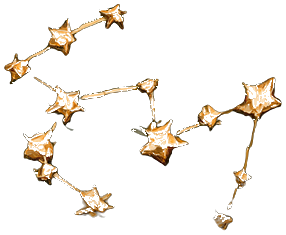 The Sun on the sixth degree of Leo falls in the opening third of the sign, where the theme is fresh and instinctive, the lion still learning the size of its own roar. The image, an old-fashioned woman confronted by an up-to-date girl, is the line-holder's exact tension: the keeper of the inherited form meeting the new world that wants to revise it. You carry both figures inside one chart. The Keeper in you guards the recipes, the holidays, the way a thing has always been done, while the live current of you knows the form has to keep breathing or it dies on the shelf. This degree, sitting early in Leo, says that confrontation is instinctive rather than learned: you have been holding the old against the new since before you had the words for it.
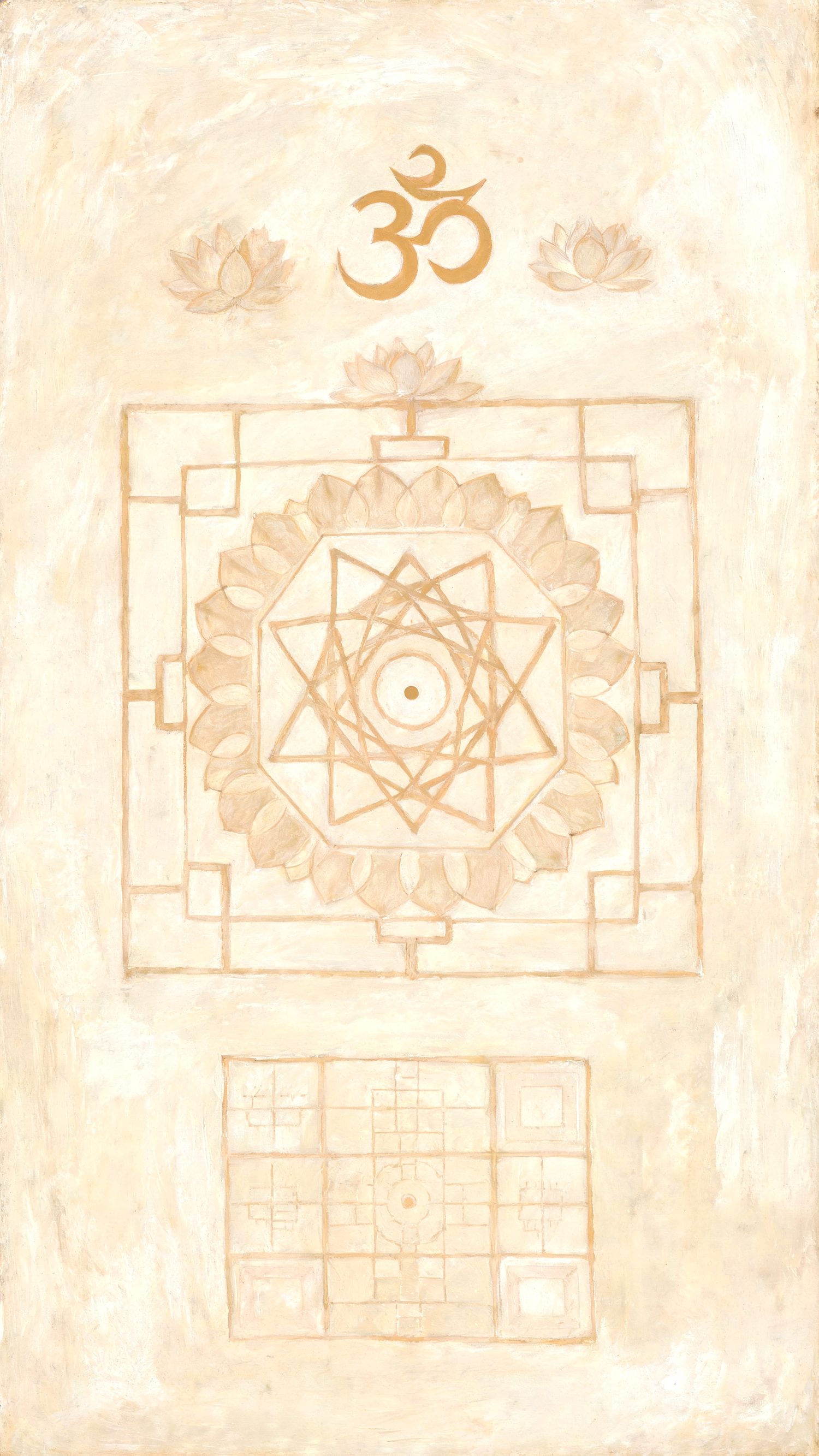
 In Jyotish the Moon outranks the Sun, and yours sits in Libra at 24°38, in the nakshatra Vishakha, pada 2. Vishakha carries fixed purpose and the patient pursuit of a single goal across a long horizon, the archer who has already chosen the target and will not be hurried off it. Its ruling planet, Jupiter, becomes a quiet governor of your inner life, which softens the Western Scorpio Moon into something more deliberate and relational. The depth is still there, but Vishakha aims it, gives it a destination, and asks you to hold the bow drawn for as long as the shot requires. This is the Slow Burn rendered in nakshatra terms, the decade-arc lodged in the most personal point of the chart.
 This Saturn period is the precise astrological name for the chapter you are in. Whatever the birth chart promises in general, the dasha lord rules the texture of the present years, and Saturn rules them with discipline, with delay that is not denial, with the slow accrual of a thing built to last. For a chart already inclined to the geological pace, this is the tradition handing you the tool that matches your hand. The present span rewards staying, finishing, and refusing to be rushed, and it tends to deliver its returns near its own end rather than along the way. The heaviest, most structural years of your adult life so far cluster inside this Saturn span, and the thing you built slowly through them is the thing that finally holds.
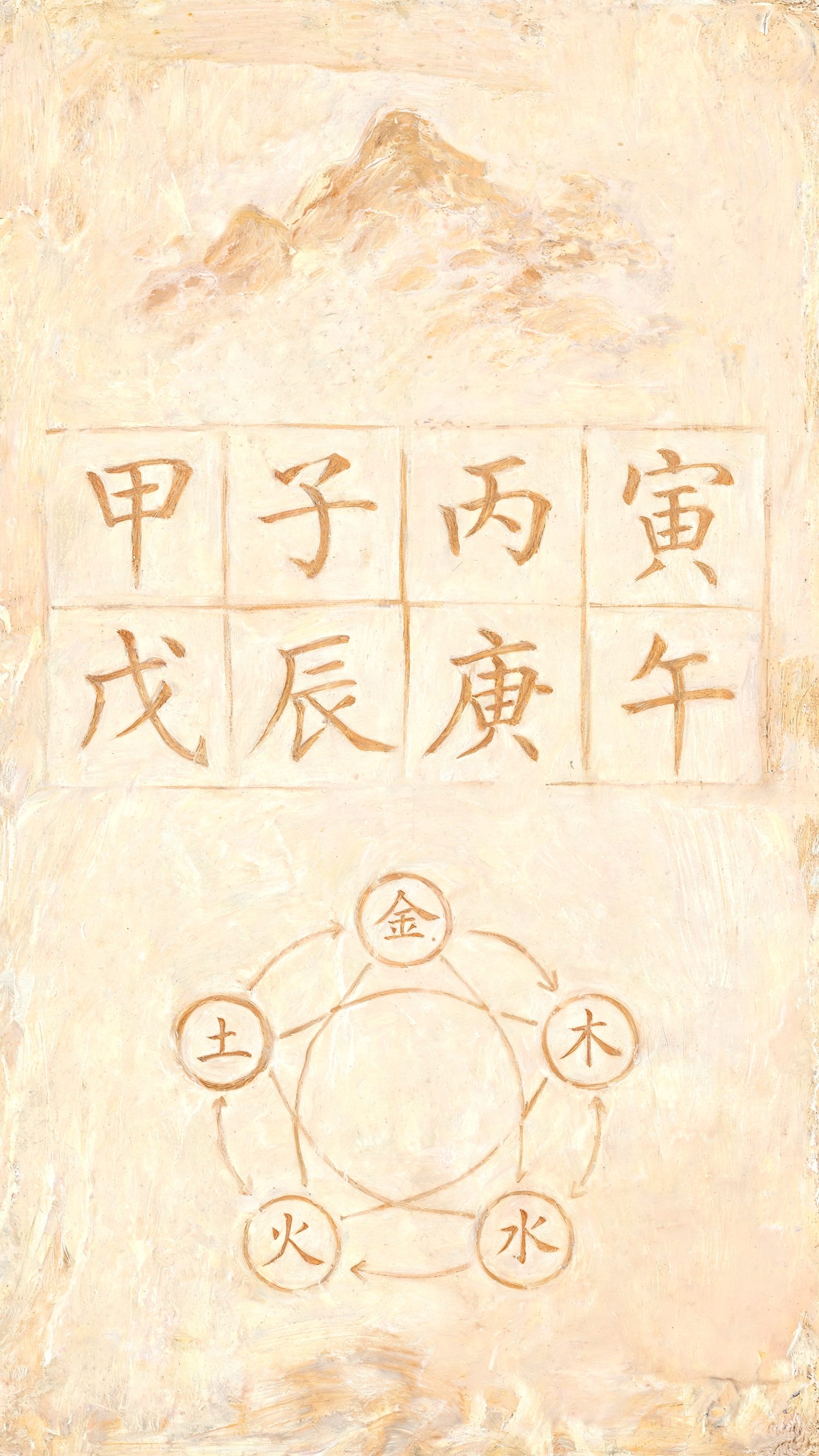
 The most important character is your Day Master, Yang Water, the stem of the Day pillar, the Ren that the whole chart is weighed around. Yang Water is the great water, the river and the lake rather than the rain: depth, wisdom, stillness on the surface with strong movement underneath, and the flow that always finds the low road and the patient way through. This is the elemental name for nearly everything else the chart says about you. The Witness who sits with the hard hour is Yang Water holding its level while grief runs deep beside it. The Slow Burn is the river that does not hurry because it knows it will reach the sea. The depth others feel in your presence is the literal phase you were born as.
 The Iron element carries refinement, boundary, and the cut that gives clean form. Iron is the metal phase, the blade and the edge, the principle that takes a rough or formless thing and shapes it by removing what does not belong. In a constitution, Iron shows as discernment: the capacity to draw a clean line, to set a boundary that holds, to refine a thing down to its true shape rather than leaving it sprawling. This is the quality that lets the keeper decide which traditions to carry forward and which to set down kindly, the editorial nerve inside the warm caretaker. Iron is not coldness; it is precision, the willingness to make the clean cut that a vaguer temperament cannot bring itself to make.
 Your inner authority is Emotional, run through a defined Solar Plexus, and it answers a different question than strategy does. Strategy is how to engage; authority is how to know. For you, a sound decision is never the one that sounds best in the moment. The Solar Plexus moves in a wave, and the truth of a choice looks different at the top of the wave than at the bottom. Your authority asks you to sleep on it, to feel the same decision across a full emotional cycle, and to commit only to what survives the whole arc. This is the chart's instruction to refuse the yes given on the spot; clarity for you comes with time, never with pressure, and the decisions you regret are the ones made before the wave completed.
 From there the sequence moves to Gate 41.4, Fantasy and Contraction, your Evolution sphere, and this is the harder gate, the one that does the real work on you. Gate 41 is the start of the whole genetic wheel, the seed-pressure that begins a new cycle, and its shadow is the contracted feeling of imagining a fuller life while sitting inside a smaller one. The fourth line tilts this toward fantasy, the inner film of a future that has not arrived. Your evolution is the discipline of letting the daydream point a direction without letting it replace the slow real thing. Radiance answers at Gate 27.6, Caring, the sixth line of the nourishment gate, which is precisely your Vessel. You feed people by reflex, you notice the unfed and the unslept before they confess it, and the sixth line asks you to care without taking the whole weight onto your own back. Purpose lands at Gate 28.6, the Game-Player, the gate of risk and the search for a life worth the trouble of living it.
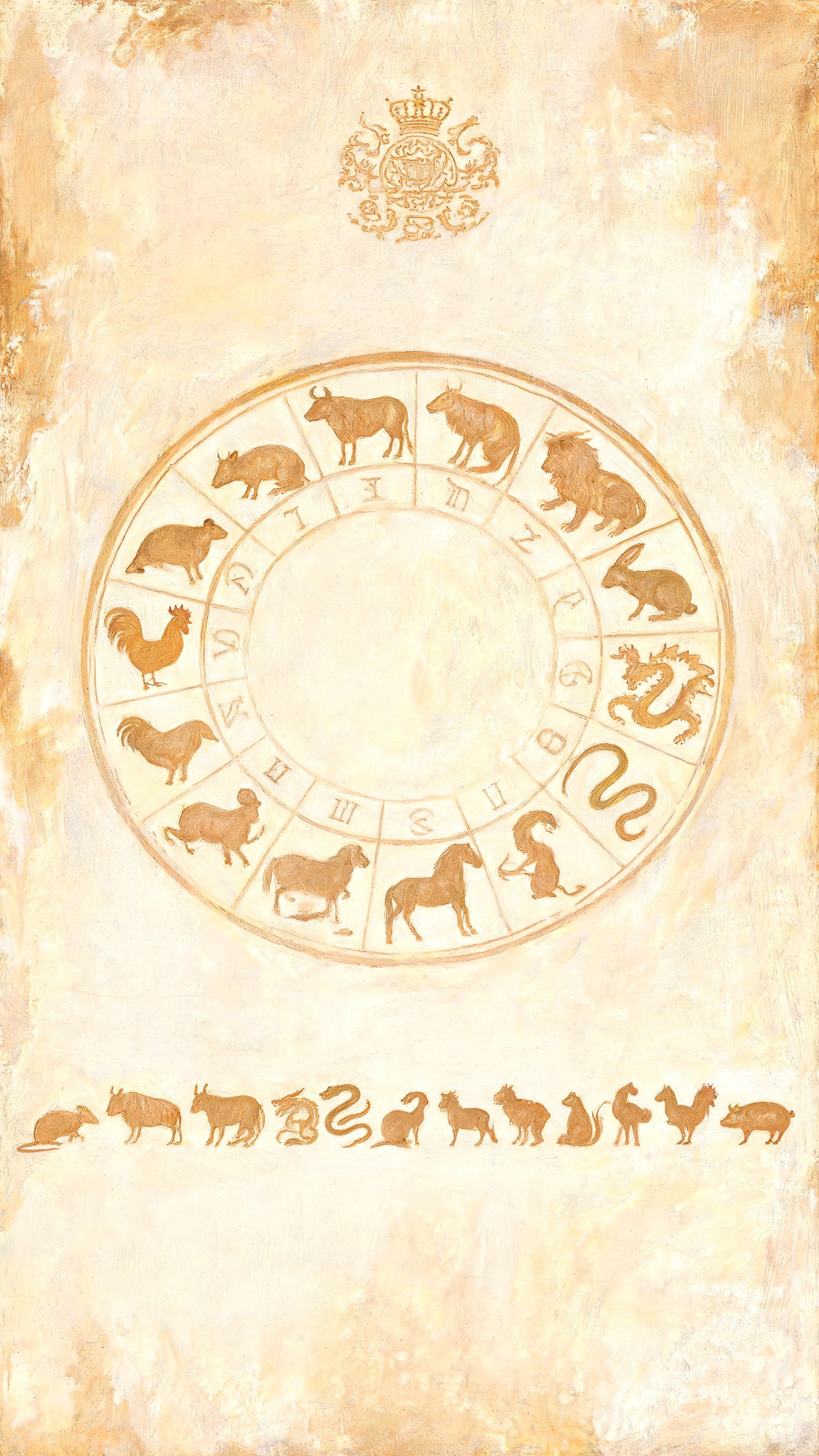
 Beneath the Snake the world sees sits the Goat, your inner animal, set by the month of your birth and describing the private drives the public rarely watches. The Goat is gentle, artistic, tender toward whatever is vulnerable, the animal that cannot walk past the wounded thing. This is the engine under your composure. The same person who reads as cool and self-contained is, in private, the one who notices the friend who has gone quiet, who keeps the small soft rituals alive, who feels the room's hurt before the room admits it. The Goat is why your Snake never curdles into coldness. The watchfulness is real, but it is in service of the tenderness, not instead of it; you watch closely because you intend to care accurately, and accurate care needs to see the thing clearly first.
 The third animal is the secret one, set by the hour you were born, and yours is the Dragon, the self that few people ever see at full size. The Dragon is expansive, confident, built for a large stage, made for a scale the Snake's caution and the Goat's tenderness rarely let it reach. This is the part of you that knows it could carry something far bigger than the quiet life suggests. It is the buried ambition that surfaces only with the people you fully trust or in the hours when no one is measuring you. The three animals do not agree, and the disagreement is the whole reading. The Snake guards the door, the Goat tends the room behind it, and the Dragon waits in the deepest chamber for the rare occasion that calls for its size. Most people meet only the first. A few, over years, are shown the second. The Dragon is the reward for the ones who stay long enough to be trusted, and you decide, slowly and on your own terms, who that is.
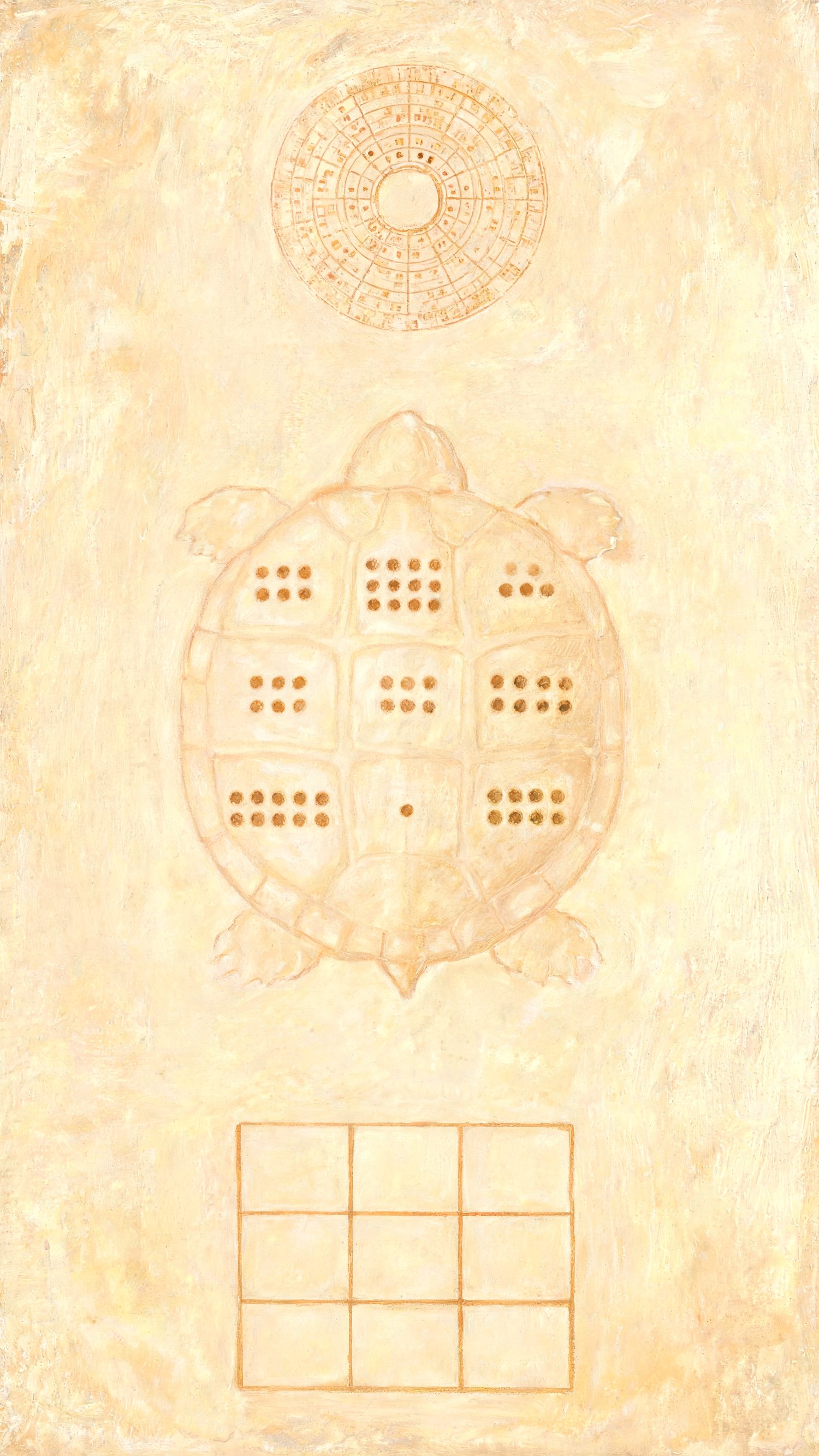
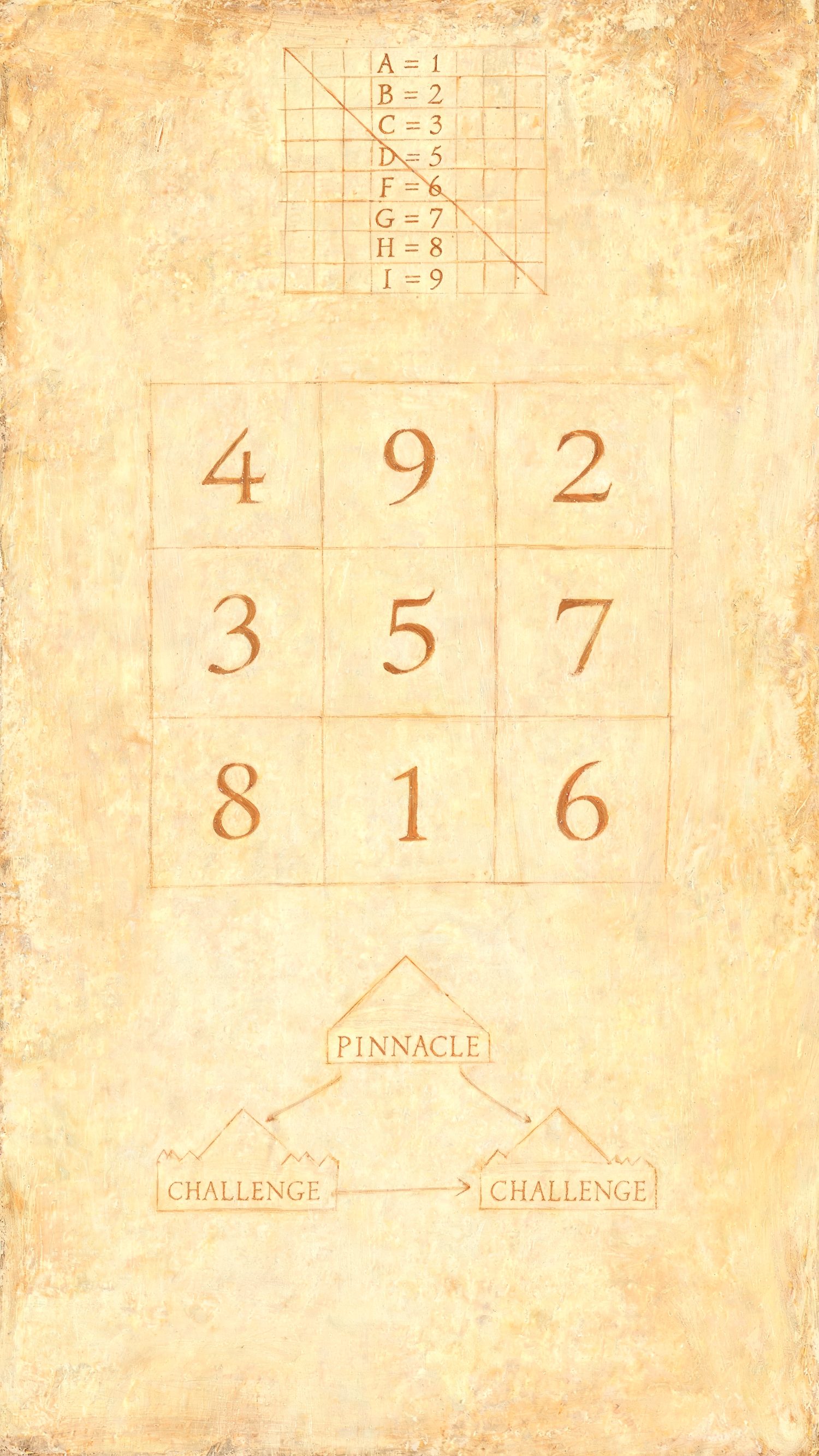
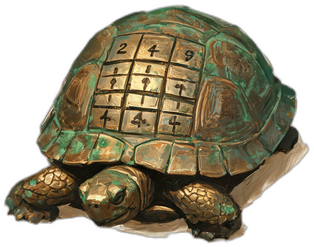 Around that doubled 2 sit three single tenants. The number 1, Career, appears once, the self standing in its own work, which your charts read as the Free Agent running her own life and answering to herself. The number 7, Children, appears once, the palace of what you raise, mentor, and bring along behind you. The number 8, Knowledge, appears once, the deep, patient, accumulating study that is your Slow Burn made into a single digit: the knowing that builds layer on layer across years rather than arriving in a flash. Four numbers, lightly held except for the bond, which is held twice. The grid is telling you where the default lives and where the practice will have to be deliberate.
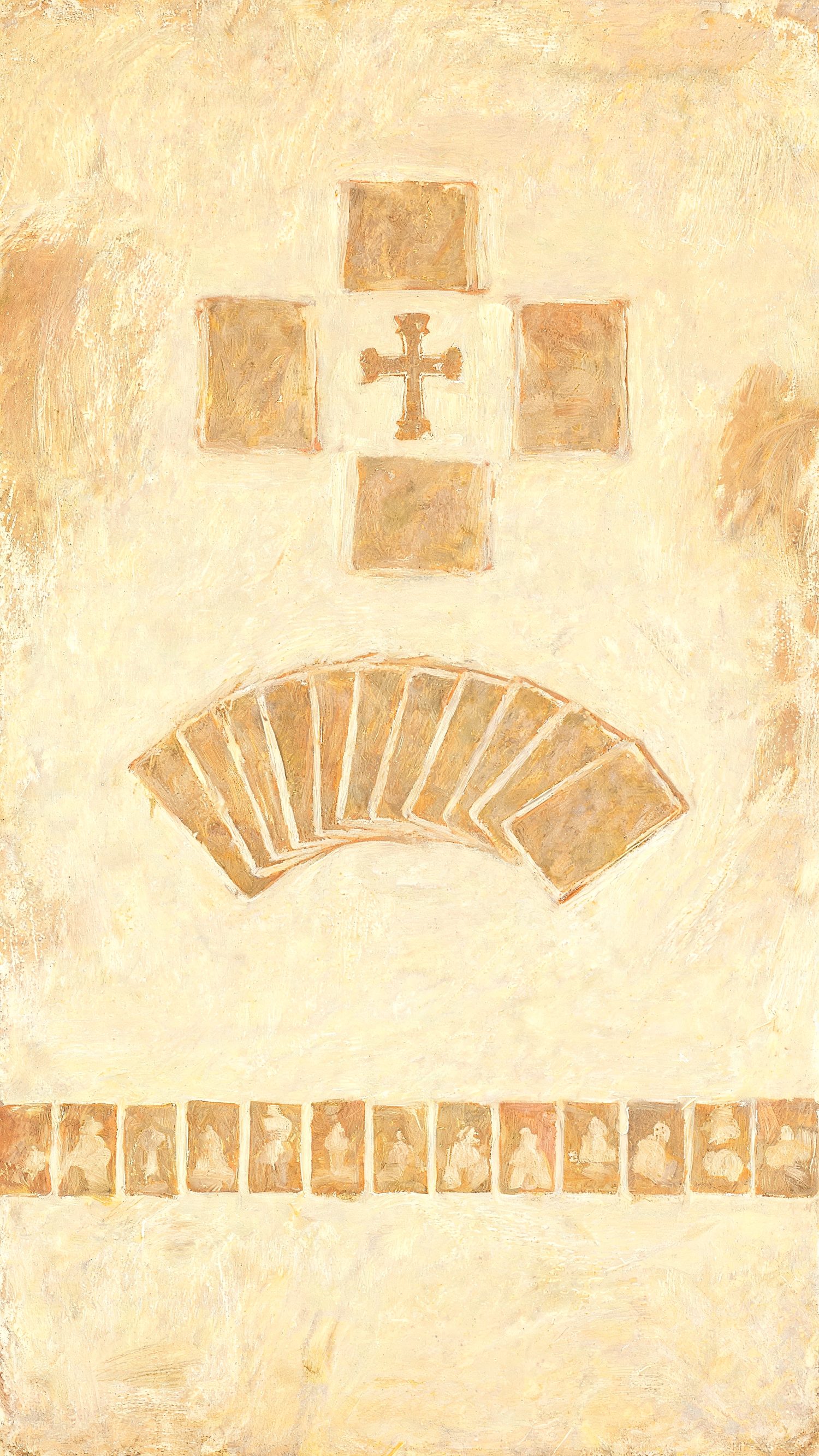
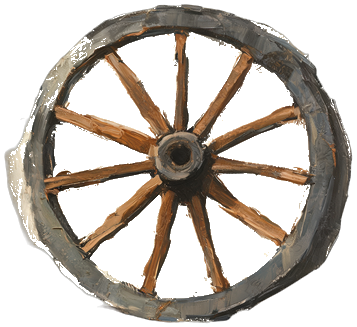 Then the Soul card, the inner motive underneath all the doing, returns the Wheel of Fortune a second time. When the Personality and Soul cards agree, there is no daylight between who you are and who you are becoming, a single-pointedness that most charts never show. Most people are pulled between an outer lesson and an inner drive that argue with each other. Yours do not argue. The turning you are learning to live with in public is the same turning you are reaching for in private; the cycle is both your curriculum and your desire. This is a chart pointed at one thing from both ends. It explains the durability others sense in you, the sense that you are made of one consistent material all the way through rather than a surface laid over a different interior.
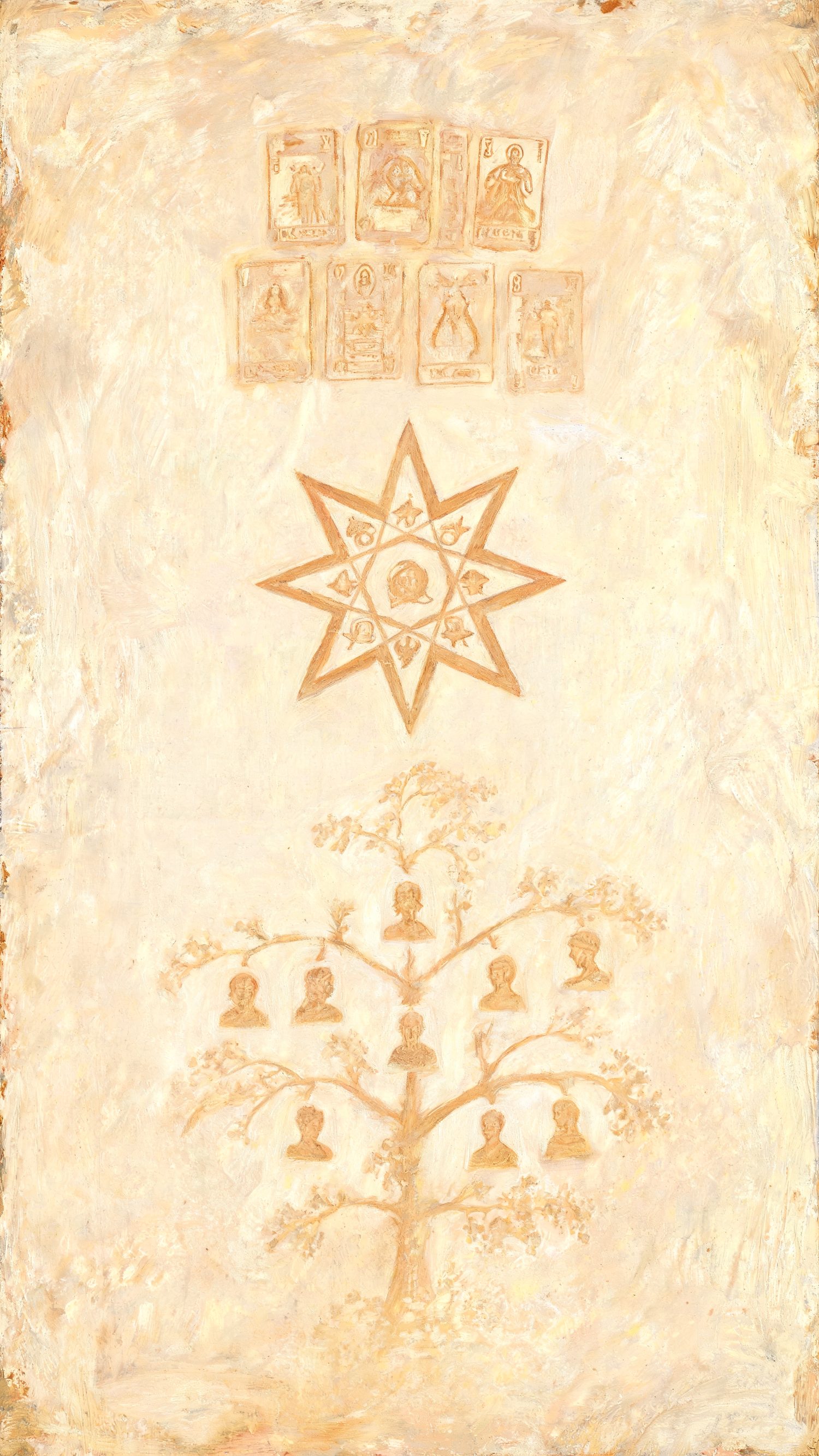
 Your Heart, the central talent the purpose moves through, is the Wheel of Fortune, the turning and the acceptance of cycle and timing. So your gift is the very thing that lets you survive your purpose: where the Tower brings the sudden collapse, the Wheel knows that collapse is one quarter of a turn and not the end of the wheel. You meet the lightning with the long view. This is a rare and coherent pairing, the destructive purpose carried by the patient talent, the demolition handled by someone who genuinely trusts that the wheel keeps moving. The vertical axis then sets your range: the Sky point, your highest possibility, is the Magician, the focused will that gathers every available tool to one intent, the version of you that is reaching upward. The Earth point, the practical ground that pays the rent, is the Hermit, the lantern carried inward, the wisdom sought in withdrawal and solitude. Your life is lived as the traffic between the Magician's gathered intent and the Hermit's quiet, inward work.
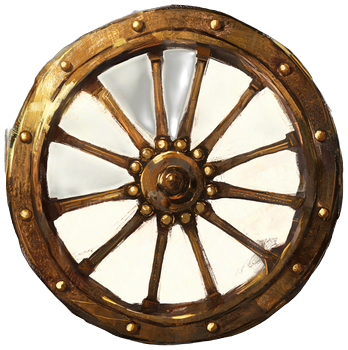 The Income point, the matrix's most concrete reading, is the Star: renewal and quiet hope after the fire has passed, the gentle light that returns once the Tower's lightning has done its work. Read this in sequence with your Soul and it tells a clean story. The Tower falls, and the Star is what comes after, so your support arrives precisely through the renewal you offer once a collapse has cleared the ground, the steady hope you carry into the wreckage. The lineage points name the material you started the life already holding. Your Father line is the Sun, clarity and vitality and the joy that needs no defense, the inheritance of a steadying brightness from that side. Your Mother line is the Fool, the open beginning, the trust that walks ahead of the evidence, the inheritance of a willingness to step into the unproven. So you carry the Sun's certainty and the Fool's leap as your starting capital, the steady light and the open road both handed to you before you chose anything for yourself.
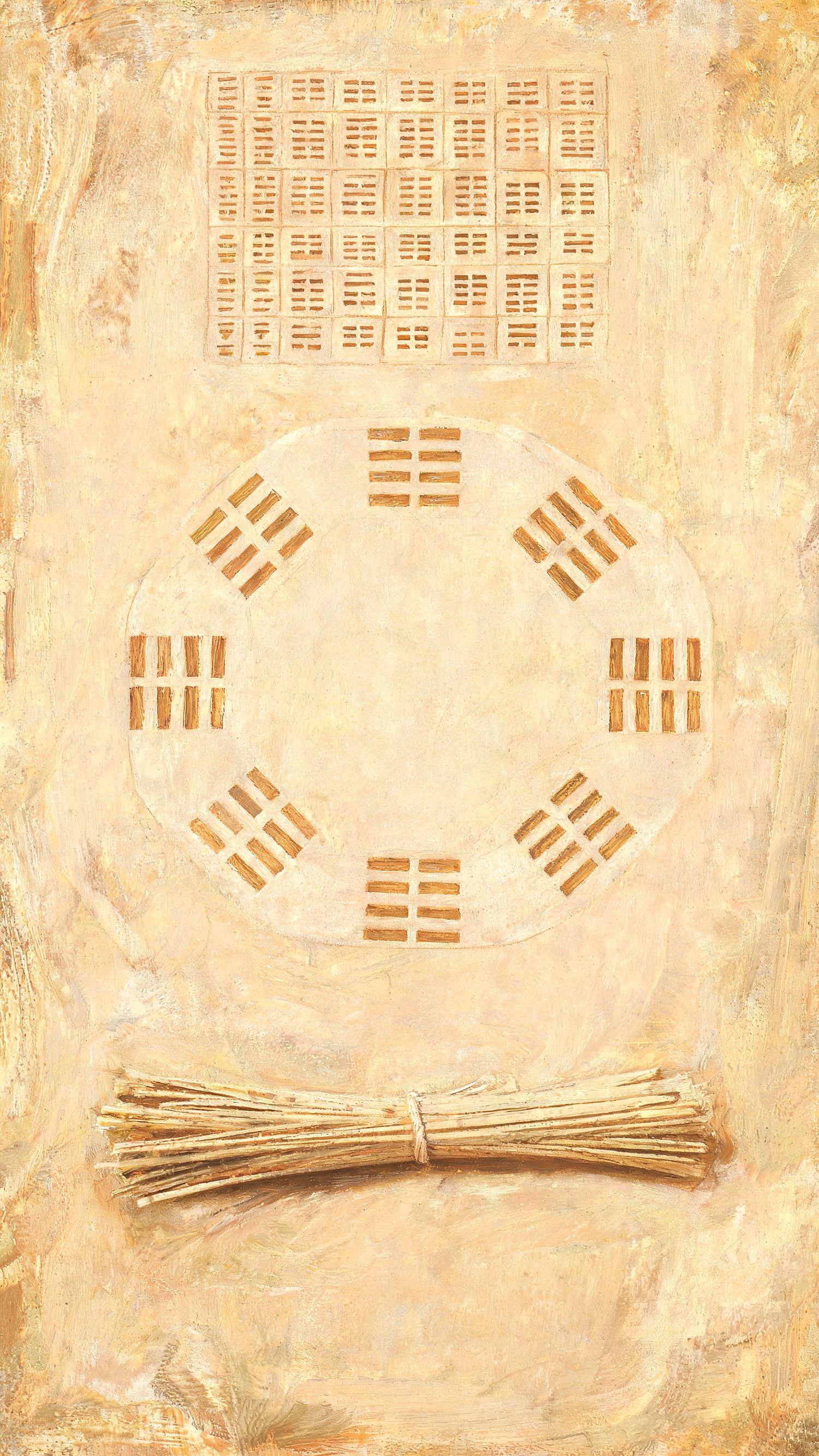
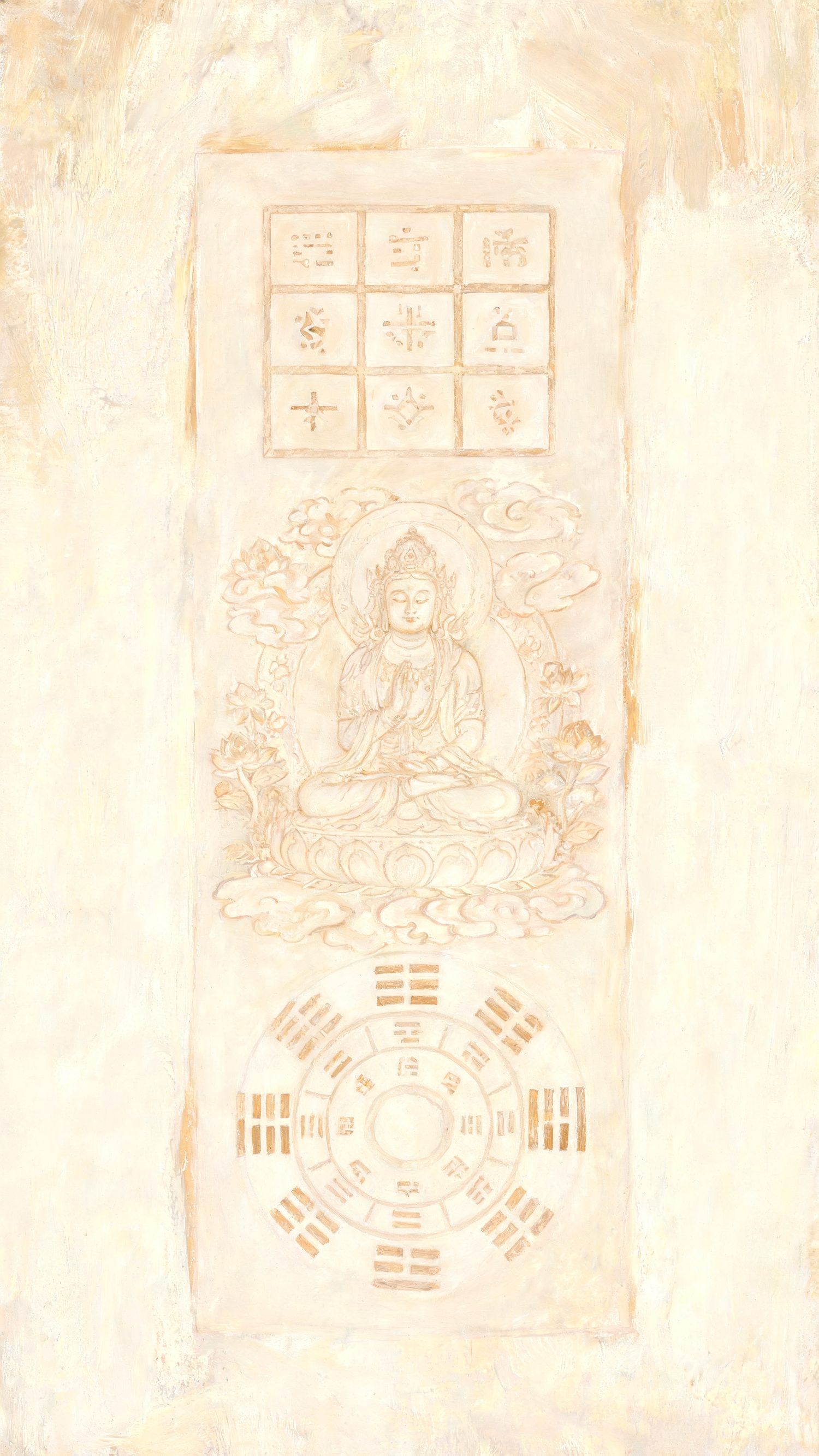
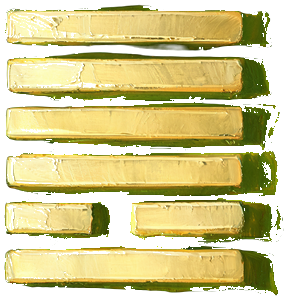 Your lower trigram, the inner ground you begin from, is Fire, called Li, the clinging. Li is clarity, the bright thing, but its nature is that it depends on what it holds to. A fire clings to its fuel, a flame needs the wood, and so this clarity is a brightness that exists in relationship, never alone. This is the disposition at your floor. You are clear, you see plainly, but your clarity attaches itself to what it is given to illuminate, to the people and the work it clings to, and it does not burn well in isolation. Above it sits Heaven, called Qian, the creative, the pure initiating force, the strongest and most originating of the eight trigrams. This is how your inner clarity meets the world: the clinging brightness below reaches up into the open creative force above, and the figure that results is the clear, attached inner light expressing itself through a strong, initiating outer reach.
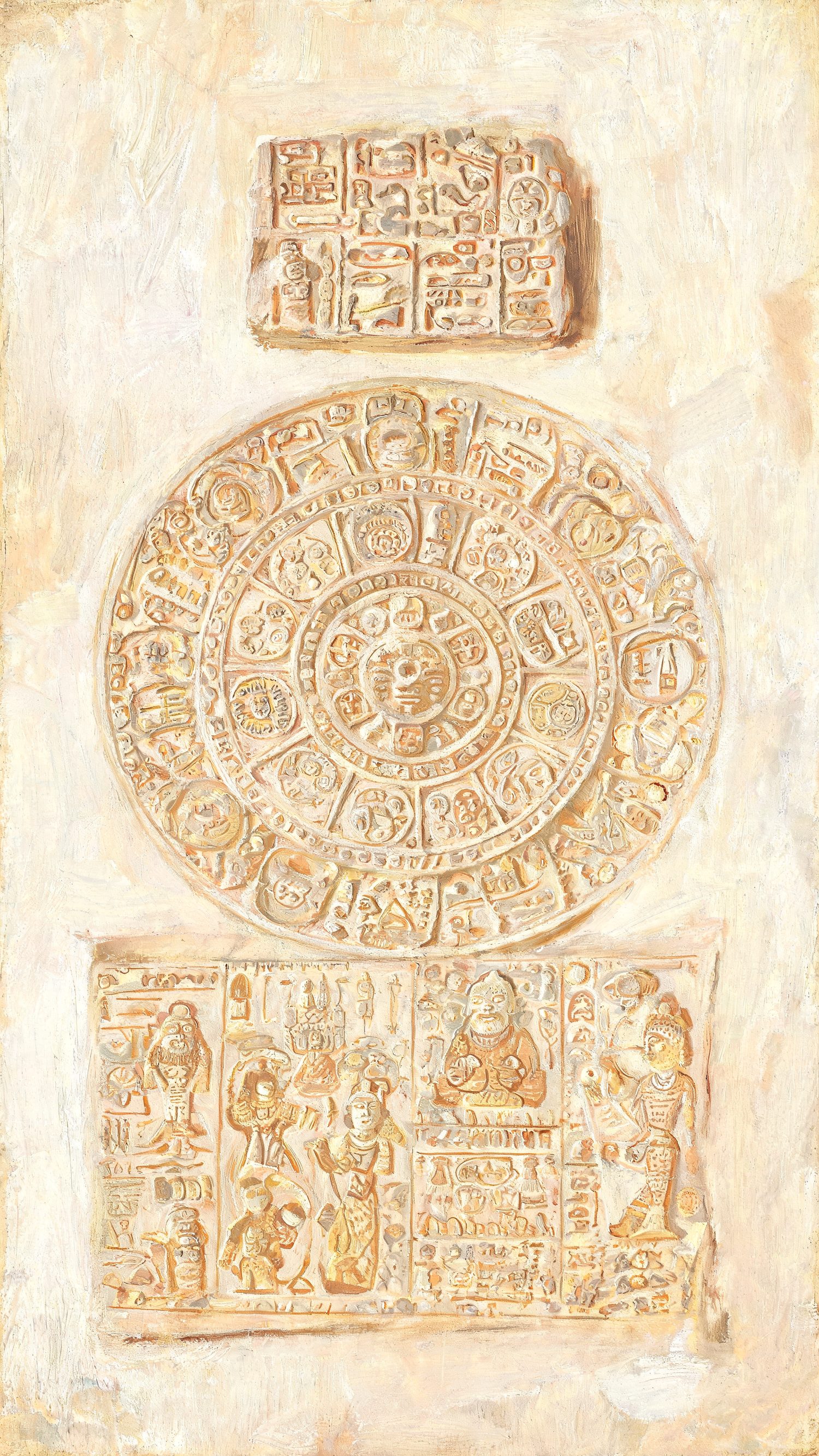
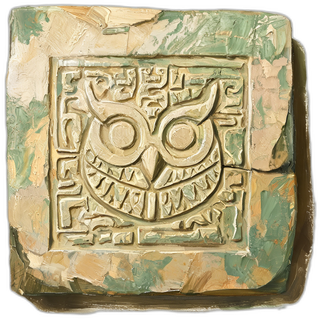 Your galactic tone is 13, and the tones run an arc from one to thirteen, the low tones initiating, the middle tones building and stabilizing, the high tones refining and releasing. Thirteen is the very top of that arc, the highest tone there is, the refiner who takes what the lower tones built and brings it to its finished grace before letting it go. To carry tone 13 is to be issued the closing note, the one who completes and refines rather than the one who begins, and laid over Cib the keeper it produces a figure of remarkable coherence. The highest refining pitch is placed on the ancestral owl, the keeper of grace tuned to the frequency of completion. You are not the one who starts the line. You are the one it arrives at, the refiner it is handed to, the keeper who brings it to its grace.

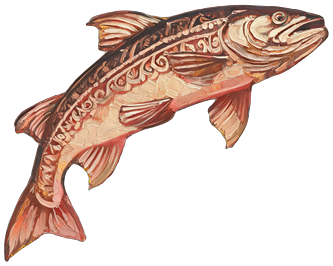 The deep water is your Scorpio Moon at 18°31' in the fourth house, the most submerged of the personal lights. It is the part of you that goes as far down as a thing needs to go and does not ask the water to be shallower. The sturgeon lives where the light does not reach and is comfortable there, and so are you; the grief in the room you sit in goes as deep as it needs because you are not asking it to be quicker. That is the sturgeon's gift offered as a model, the capacity to dwell at the bottom without panic, to be the creature that is calm in the cold dark because the cold dark is simply where it lives. People who only swim the surface find the depths frightening and leave. You stay because depth is your medium, and your stillness down there is what makes the deep bearable for the others who had to come down for a while.
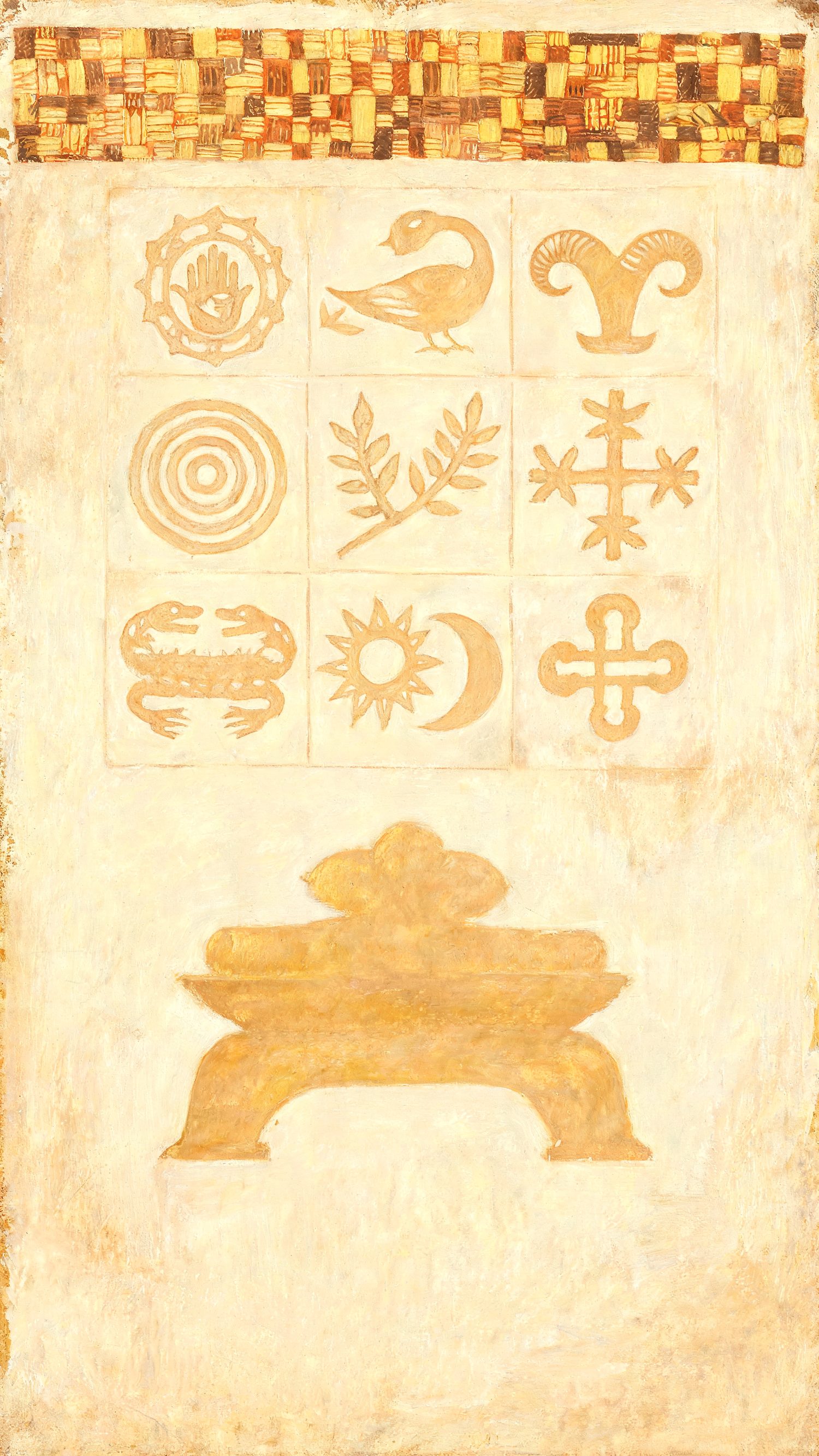
 Antiquity is the through-line of your entire chart, and the Akan name puts a word to it that the rest of your systems keep circling. Your Mayan day sign is Cib at tone 13, the owl, the ancestral keeper, the highest tone of the count, the refiner who stands at the end of the arc holding what came before. Your Tarot doubles the Wheel of Fortune at both Personality and Soul, the turning that has seen every turn before this one. Your Slow Burn tempo is geological, the pace of something that measures time in eras. And here is the Akan soul-name saying the same thing in a single word: antiquity. You are read across four independent traditions as the old soul, the one who arrived already carrying the long view, and the Akan kradin is the most direct statement of it. You have likely been called an old soul to your face, more than once, by people who could not have known why they reached for that exact phrase.
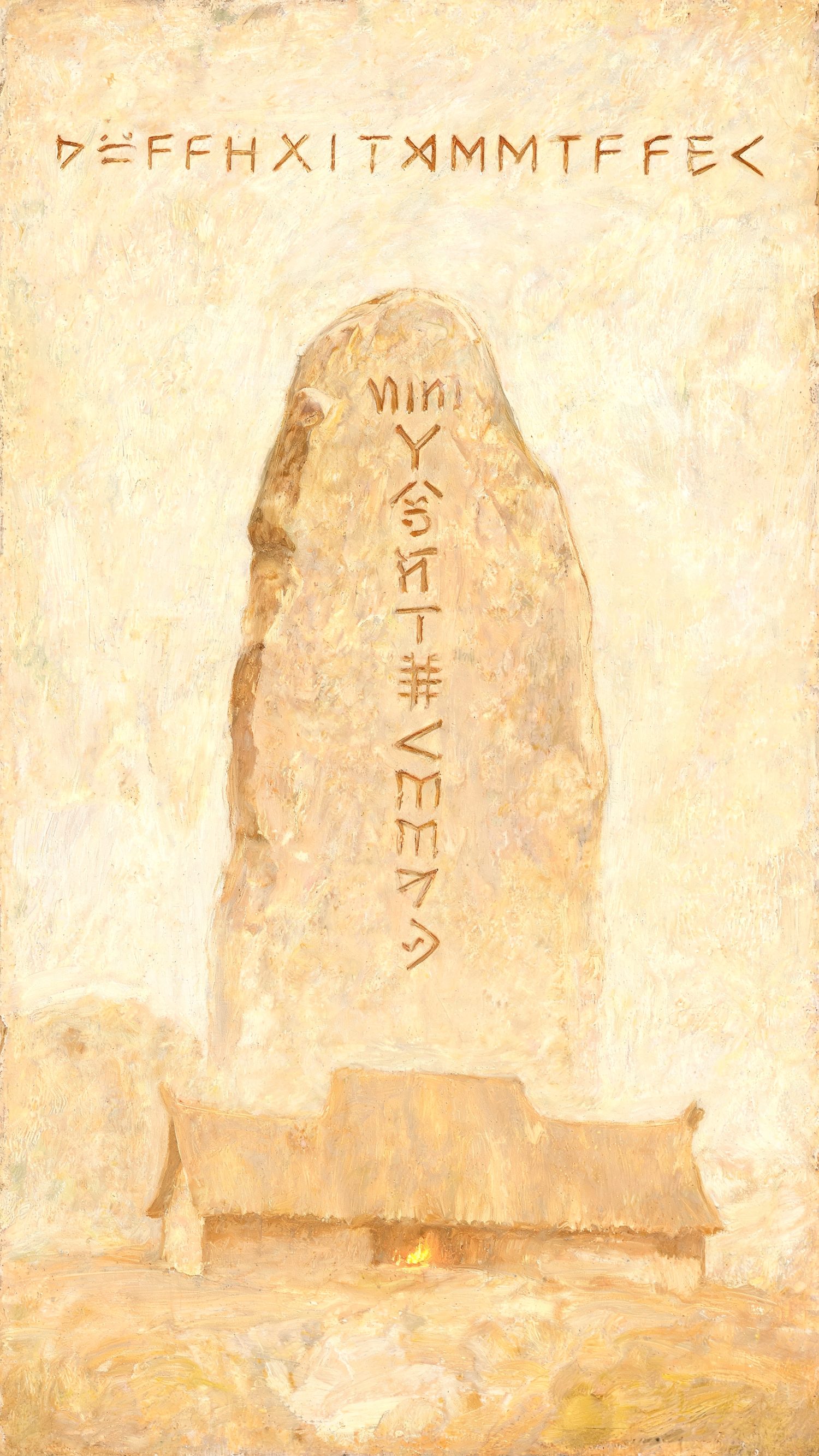
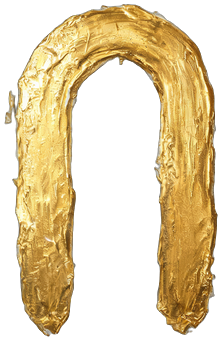 The untamed half of Uruz is your Sovereign exactly, your Free Agent pole, the chair that is your own rather than the one others built for you. The aurochs was not led; it went where it went and the forest arranged itself around its passage, and your Free Agent runs the same way, answering to itself and letting the rest of the world rearrange around the choice. This is the will that cannot be put in another person's harness, the strength that is not aggressive so much as simply unbroken. The moment comes when someone tries to manage you into a shape that serves their plan and you do not argue, you simply do not move. They discover that the quiet refusal is immovable in a way that argument never is. Uruz does not fight the yoke. It is just too large and too wild for the yoke to fit, and people who try to lead you where you have not chosen to go meet that aurochs-fact about you sooner or later.
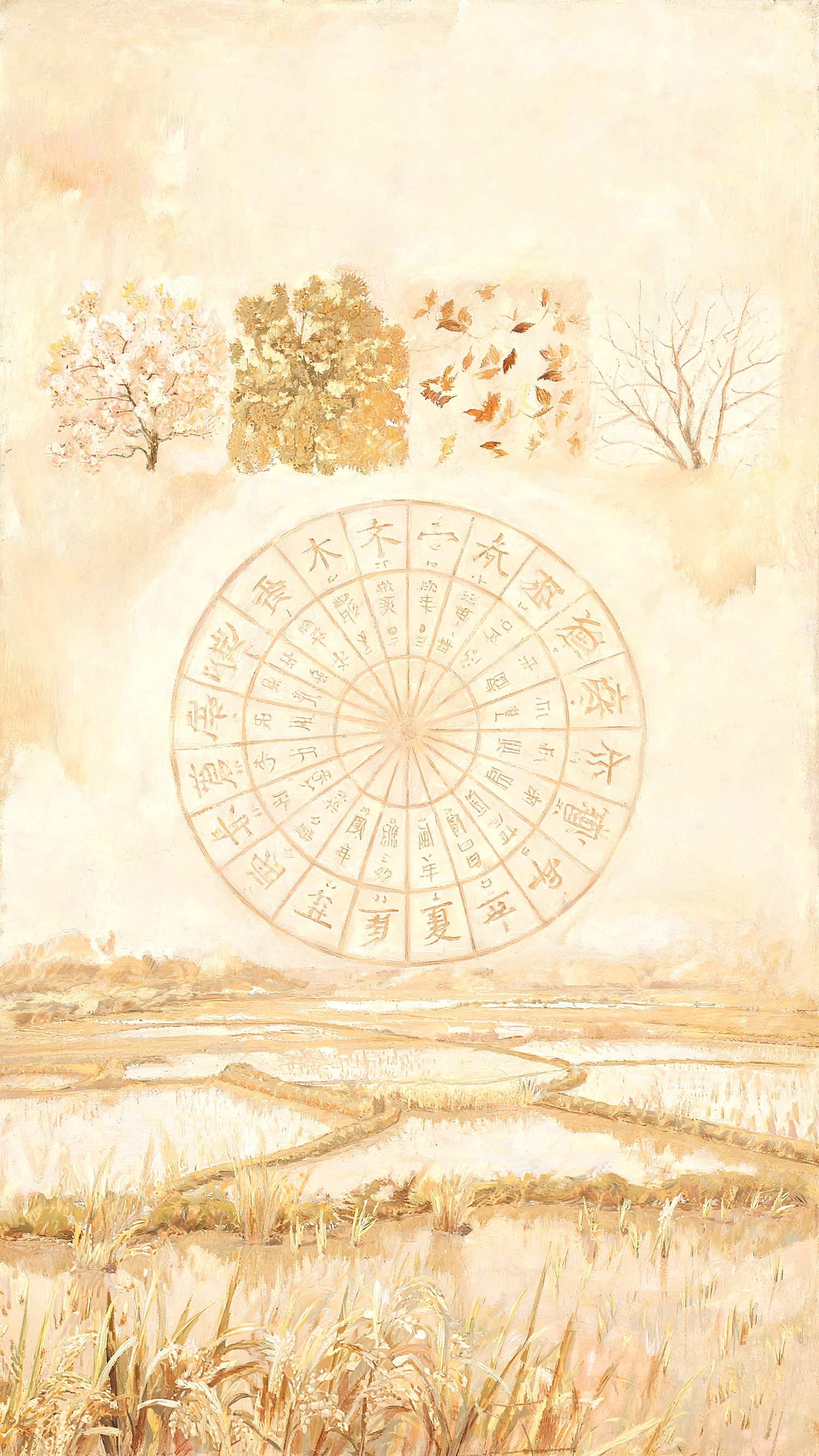
 The character of Dashu is fullness held at its peak, and that is your Leo stack speaking through the agricultural calendar. Your Sun at 5°27' Leo and your Leo rising at 21° are the fixed-fire signature, the sign of high summer in the tropical zodiac. Here the Chinese solar term independently names the same thing from the other side of the world. You were born in the maximum heat, under the most fixed and radiant condition of the year. Dashu is not the rising heat of early summer or the breaking heat of a thunderstorm; it is heat at its ripe plateau, sustained, fixed, holding. That is the temperament the season lends you, the capacity to sit at full intensity without spiking and without fading, the warmth that is simply there at its maximum the way the Leo Sun is simply radiant. The scene is the gathering you warm without effort, the room that takes its temperature from your presence and settles into it. It is the heat you generate that others draw on without your having to do anything but be in the room at full summer.
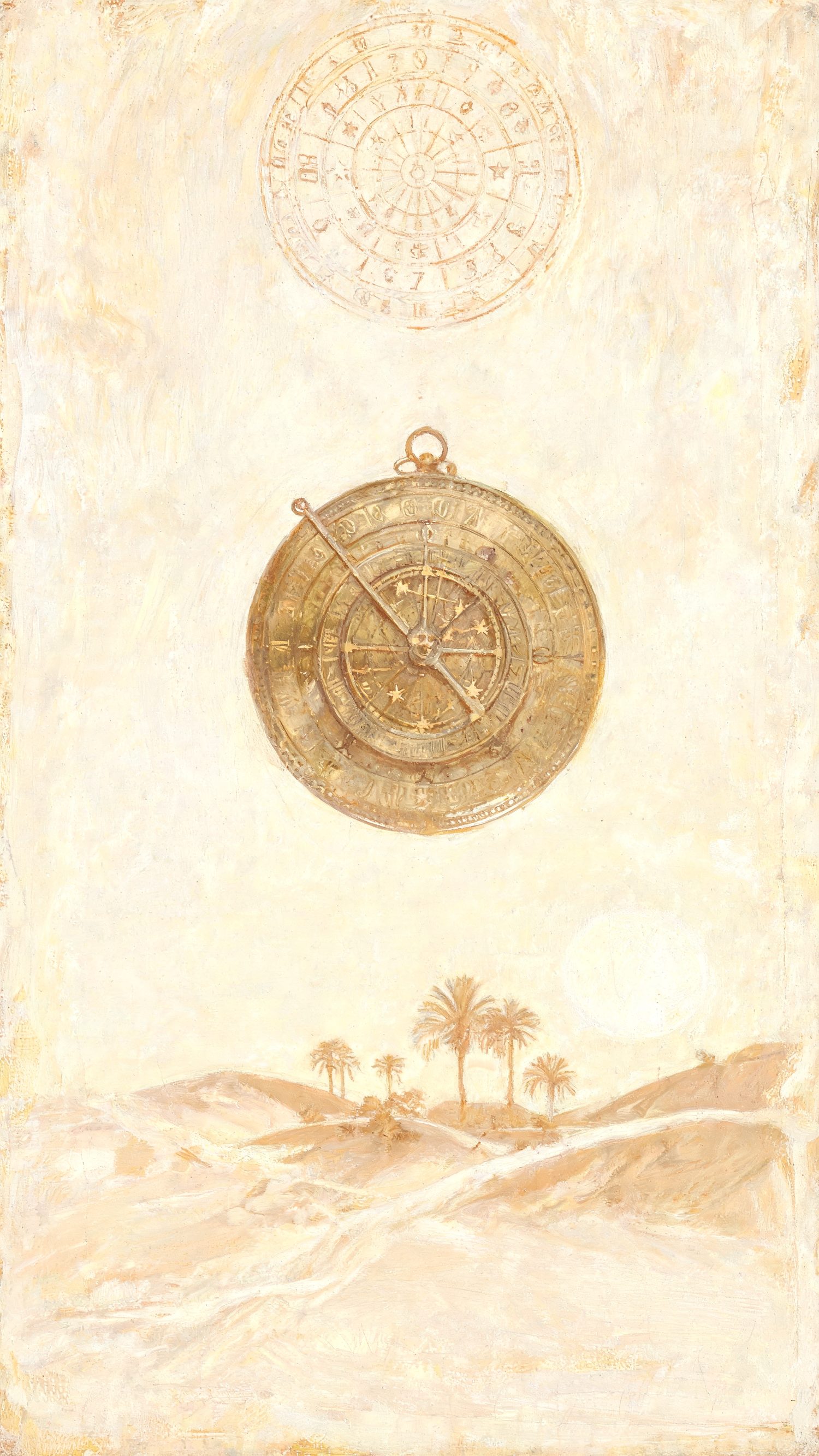
 This lands on your chart with an exactness that is almost startling, because your Moon is a Scorpio Moon. Your Moon sits at 18°31' Scorpio in the fourth house, and the lunar mansion it occupies is Al Qalb, the Heart of the Scorpion, named for the brightest star of the very sign your Moon is in. Two traditions, the tropical Western and the medieval mansions, independently place your emotional life in the Scorpion's heart. This is the depth that will not look away from what is true, the feeling that goes as far down as a thing needs to go, the inner life vaulted and intensely held. Al Qalb is the lodging of exactly that Moon: deep feeling held at high intensity, the heart that runs hot and runs true under a still surface. The scene is the way you feel the room before you respond to it. The grief or the joy of the people near you registering in you at full strength while your face stays composed, the intensity that is genuinely there and genuinely private.
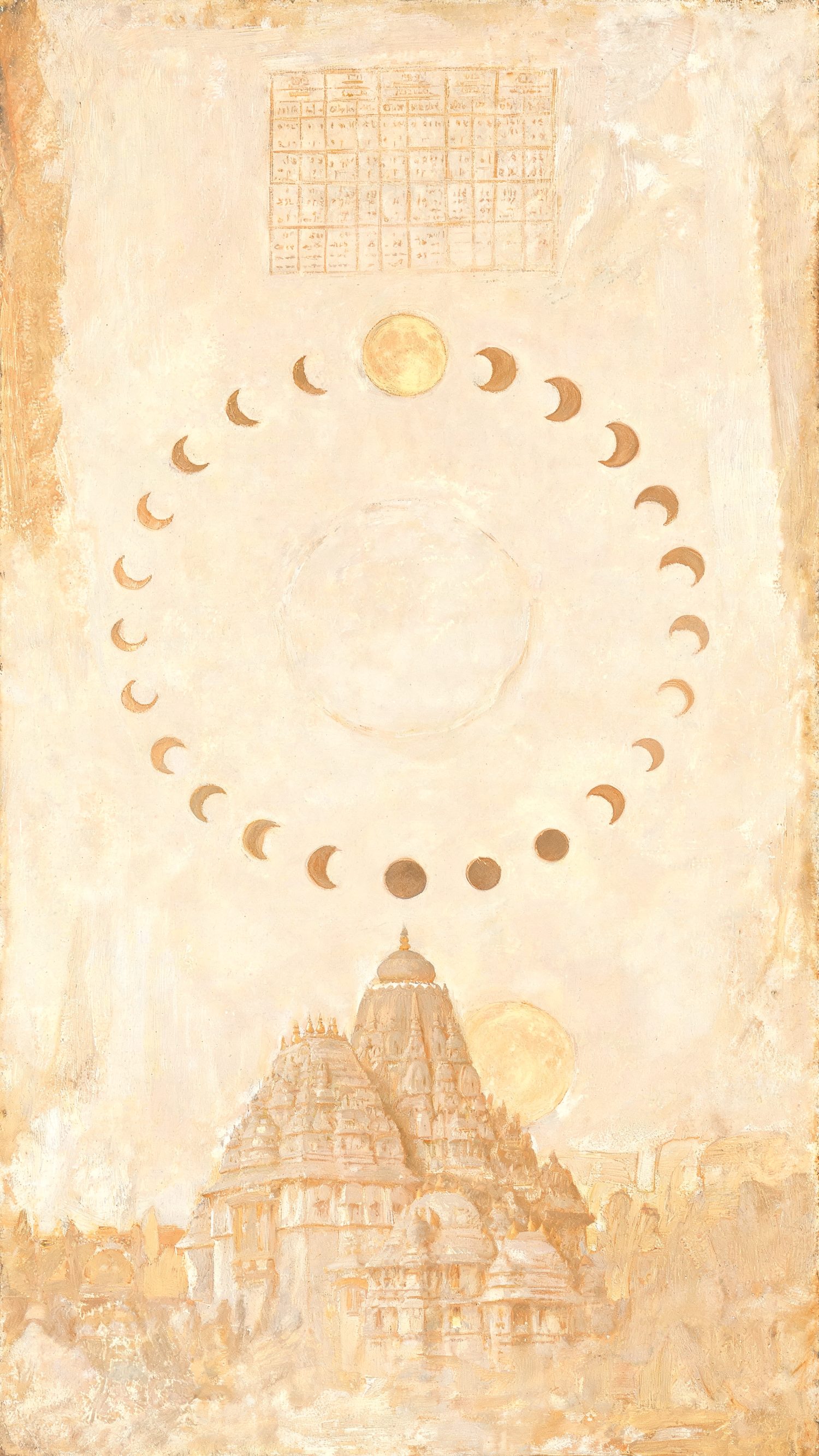
 The fierce charge of Navami lands on the most heavily armed part of your chart. Your Mars at 15°37' Sagittarius conjuncts your Pluto at 12°43' Sagittarius, both in the fourth house, two of the hardest-hitting bodies fused into a single instrument at the foundation of the chart. This is force at the root, the warrior-power installed in the house of home and family. Navami is the lunar day that names exactly that temper: the decisive martial charge, the willingness to clear the field rather than negotiate with it. The clearing of the field reads on you as your Closer second gear, your willingness to end things when they need to end and not let them rot. The Saturn-Pluto opposition at 0.8° gives you the nerve to make the actual move while others are still negotiating with what is already gone. The moment arrives when a situation has been festering and everyone is tiptoeing and you simply name the thing and end it, cleanly, dated and signed. The room is shocked by the force of the cut from someone they had read as gentle.